
Wellness Pain: Premier Centers for 2026 Relief
Why Understanding Wellness Pain Matters for Your Recovery
Wellness pain is the experience of chronic discomfort that affects not just your body, but your entire quality of life—your sleep, mood, relationships, and ability to do the things you love.
Quick Answer: Key Facts About Wellness Pain
- Chronic pain lasts longer than 3 months or beyond normal healing time
- Affects 3 out of 10 people in the United States
- Impacts physical, mental, and emotional well-being
- Requires a holistic, whole-person approach to treatment
- Can be managed through medical treatments, lifestyle changes, and psychological support
Living with chronic pain is more common than you might think. Research shows that 3 out of 10 people in the U.S. experience persistent pain that lasts months or even years. This isn’t just about a sore back or an aching knee—it’s about pain that intrudes on your daily life, limits your activities, and affects your mental health.
The concept of wellness pain recognizes something important: chronic pain isn’t just a physical problem. It touches every part of your life. It can make you tired, anxious, or depressed. It can keep you from working, playing with your kids, or enjoying time with friends. And most importantly, it deserves a treatment approach that addresses all of these dimensions—not just masks the symptoms.
The good news? A comprehensive, multidisciplinary approach to pain management can help you take back control. This means looking beyond quick fixes and prescriptions to understand the root causes of your pain and build a personalized plan that improves your overall wellness.
I’m Dr. Nasser, Chief Medical Officer at Pain Arizona, where I’ve spent decades helping patients with complex chronic pain conditions find lasting relief through evidence-based, minimally invasive treatments and a holistic approach to wellness pain. My goal is always to help you understand why you hurt and create a path forward that restores your function and quality of life.
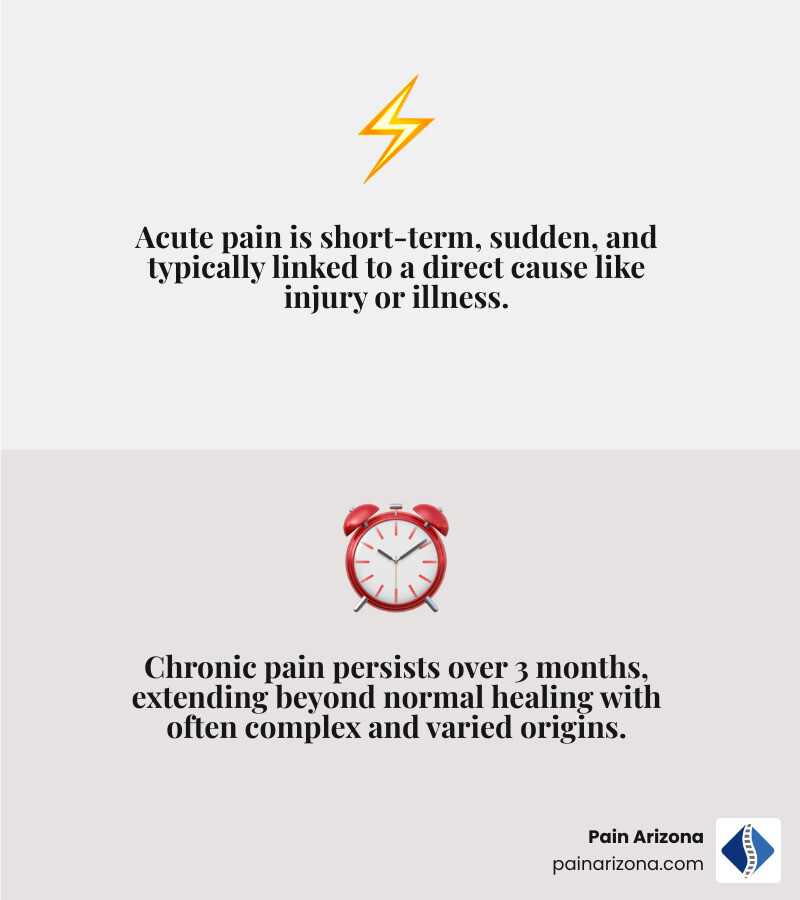
Quick wellness pain definitions:
Understanding the Landscape of Chronic Pain
Pain is a fundamental signal from our nervous system, designed to alert us when something might be wrong. It’s our body’s way of saying, “Hey, pay attention!” But what happens when that signal never turns off, even after the initial problem has resolved? This is where the distinction between acute and chronic pain becomes crucial, especially when we talk about wellness pain.
Acute pain is like a fire alarm—it’s sudden, sharp, and tells us there’s an immediate danger, like touching a hot stove or spraining an ankle. It typically goes away once the injury heals, usually within days or a few weeks. It serves a vital protective role.
Chronic pain, on the other hand, is a very different beast. It’s pain that persists for longer than three months, or beyond the time an injury should reasonably have healed. For some, it might be a constant dull ache, for others, it could be sharp, shooting sensations that come and go. The critical difference is that with chronic pain, the nervous system can get “stuck in a pain loop.” Even after the original injury is gone, changes in our nervous, immune, and endocrine systems can continue to generate pain signals. This is often referred to as central sensitization, where the central nervous system becomes hypersensitive, making it difficult to pinpoint the exact source of pain due to multiple pathways becoming involved.
When chronic pain severely limits our work, social life, and ability to care for ourselves, we call it “high-impact chronic pain.” According to the CDC, this impacts about 7.4% of U.S. adults and often comes with more severe symptoms and mental health challenges. Understanding this complex interplay between our body and brain is the first step toward effectively managing wellness pain and regaining control of our lives.

Common Causes of Chronic Pain
The origins of chronic pain can be as varied as the individuals who experience it. Sometimes, it’s a straightforward continuation of an initial problem, while other times, it’s a mystery even to medical professionals.
Here are some of the common culprits behind chronic pain:
- Previous Injuries or Infections: An acute injury, like a car accident or a fall, might heal on the surface, but the pain signals can linger. Similarly, an infection can leave behind lasting discomfort long after it’s been cleared.
- Ongoing Conditions: Many chronic diseases are inherently painful. Conditions like Arthritis, which involves inflammation of the joints, can lead to persistent pain. Other examples include Fibromyalgia, a disorder characterized by widespread musculoskeletal pain accompanied by fatigue, sleep, memory, and mood issues, and Neuropathy, which results from nerve damage and can cause numbness, tingling, weakness, and burning pain.
- Back Problems: Lower back pain, in particular, is one of the most common chronic pain conditions. This can stem from issues like herniated discs, spinal stenosis, or degenerative disc disease.
- Unknown Causes: Perhaps the most frustrating aspect of chronic pain is when there’s no clear, identifiable cause. This doesn’t mean the pain isn’t real; it simply means the mechanisms are complex, often involving environmental or psychological factors that worsen the sensation.
Regardless of the cause, our goal at Pain Arizona is to identify the root of your discomfort and develop a custom treatment plan.
The Holistic Impact of Wellness Pain on Daily Life
Wellness pain isn’t just a physical sensation; it’s a profound disruption to your entire well-being. When pain becomes a constant companion, it casts a shadow over every aspect of your life, impacting your physical, mental, and emotional health.
Consider the physical limitations it imposes. Simple tasks like walking the dog, reaching for something on a high shelf, or even sitting comfortably can become monumental challenges. This loss of physical independence can be disheartening and lead to a sedentary lifestyle, which can, ironically, worsen pain and overall health.
The mental and emotional health effects are equally significant. Living with persistent pain can be incredibly stressful, leading to increased anxiety and depression. When your body constantly signals distress, it’s hard for your mind to find peace. The constant struggle can lead to an emotional toll, manifesting as irritability, frustration, or a sense of hopelessness. We often see patients who feel isolated because their pain prevents them from participating in social activities they once enjoyed. This social isolation further compounds feelings of sadness and loneliness.
Furthermore, chronic pain often brings unwelcome companions like fatigue and sleep difficulties. It’s a vicious cycle: pain makes it hard to sleep, and lack of sleep can make your pain worse. This exhaustion impacts your energy levels, cognitive function, and overall quality of life. For some, it can even lead to conditions like Chronic Fatigue Syndrome: Pain Beyond Exhaustion, where pain and profound fatigue become intertwined.
At Pain Arizona, we understand that addressing wellness pain means acknowledging and treating all these interconnected impacts, not just the physical symptoms. Our compassionate team in Phoenix, Mesa, Gilbert, Scottsdale, and Glendale is here to support you through every facet of your journey.
A Multidisciplinary Approach to Wellness Pain Management
Successfully managing wellness pain requires more than just a single treatment; it demands a comprehensive strategy that addresses the individual as a whole. This is the cornerstone of a multidisciplinary approach, and it’s why we believe so strongly in its benefits at Pain Arizona.
Imagine trying to fix a complex machine with only one tool. You might address one issue, but others will likely remain. The human body, especially when dealing with chronic pain, is far more intricate than any machine. That’s why a team approach involving various specialists is so effective.
Our pain management team typically includes a range of experts, such as pain specialists (like our double board-certified physicians), physical therapists, and mental health providers like psychologists or psychiatrists. Each member brings a unique perspective and set of skills to your care. For instance, while a pain specialist might focus on interventional procedures to reduce nerve pain, a physical therapist will work on improving your mobility and strength, and a psychologist can help you develop coping strategies for the emotional burden of pain.
The primary goal of this integrated approach is not just to reduce pain, but to improve your overall quality of life and functioning. We want you to be able to do daily tasks, enjoy your usual activities, and engage with your community again. By combining different therapies and expertise, we can tackle the various facets of your wellness pain, ensuring that we’re treating the whole person, not just isolated symptoms. This holistic view is essential for lasting relief and improved well-being, whether you’re dealing with general pain or more specific Information on various pain conditions.
Medical and Interventional Treatments
When it comes to managing wellness pain, medical and interventional treatments play a crucial role, often providing targeted relief that allows other therapies to be more effective. At Pain Arizona, our double board-certified physicians specialize in evidence-based and minimally invasive treatments designed to address the root cause of your pain.
One of the first lines of defense often involves Medication Management: Navigating Painkillers Safely. While we aim to reduce reliance on heavy medications, especially opioids, appropriate medications can significantly alleviate discomfort. Non-Steroidal Anti-Inflammatory Drugs (NSAIDs) like ibuprofen are common examples. There are over 200 medicines available to help with pain, but careful management is key to ensure safety and effectiveness.
For more targeted relief, interventional procedures can be incredibly effective. These often involve minimally invasive techniques that directly address the source of pain. Nerve blocks, for instance, use injections to interrupt pain signals from specific nerves. Our expertise extends to advanced techniques like trigger point injections or spinal cord stimulators, which can offer significant relief for persistent pain that hasn’t responded to other treatments.
Beyond traditional approaches, we are at the forefront of innovative treatments, including Regenerative Medicine. This exciting field focuses on using your body’s natural healing capabilities. Two prominent examples we offer are:
- Platelet-Rich Plasma (PRP) Therapy: Healing with Your Own Blood: This involves concentrating platelets from your own blood and injecting them into injured areas to promote tissue repair and reduce pain.
- Stem Cell Therapy: Cutting-Edge Solutions for Pain Recovery: Utilizing your body’s own stem cells, this therapy aims to regenerate damaged tissues and reduce inflammation, offering hope for long-term relief.
Another powerful tool in our arsenal is Laser Therapy: Advanced Solutions for Pain and Inflammation. This non-invasive treatment uses specific wavelengths of light to stimulate cellular function, accelerate healing, and reduce both pain and inflammation.
By combining these advanced medical and interventional treatments, we strive to provide comprehensive relief for our patients across Phoenix, Mesa, Gilbert, Scottsdale, and Glendale.
Complementary and Alternative Medicine (CAM)
Beyond conventional medical treatments, a growing number of people are finding relief from wellness pain through Complementary and Alternative Medicine (CAM) therapies. These approaches often focus on the mind-body connection and holistic well-being, offering valuable additions to a comprehensive pain management plan.
At Pain Arizona, we recognize the value of integrating these therapies where scientifically supported. Here are some CAM approaches that can aid in pain management:
- Acupuncture and Pain Management: Ancient Techniques for Modern Problems: Originating from traditional Chinese medicine, acupuncture involves inserting thin needles into specific points on the body. It’s believed to stimulate the body’s natural pain-relieving mechanisms and is increasingly recognized for its effectiveness in conditions like back and neck pain, osteoarthritis, and migraines. A large review showed acupuncture was more effective than no treatment or sham acupuncture for back or neck pain, and it may reduce the frequency of migraines.
- Massage Therapy: Relaxing the Path to Recovery: Therapeutic massage can reduce muscle tension, improve circulation, and promote relaxation, which can be beneficial for various types of pain, including back pain and fibromyalgia. If continued for 5 weeks or longer, massage therapy may reduce pain and improve other symptoms in people with fibromyalgia.
- Chiropractic Adjustments: Realigning for Better Spinal Health: Chiropractic care focuses on disorders of the musculoskeletal system, particularly the spine. Adjustments aim to improve spinal alignment and function, which can alleviate pain and improve overall mobility, especially for back and neck pain. Spinal manipulation can even reduce the frequency and intensity of cervicogenic headaches.
- Yoga for Pain Relief: Combining Movement with Mindfulness: Yoga combines physical postures, breathing exercises, and meditation. It can improve flexibility, strength, balance, and reduce stress, all of which contribute to pain relief. Studies show yoga can be helpful for low-back pain, with effects similar to other exercise types. For knee osteoarthritis, yoga is conditionally recommended.
Other CAM therapies, such as biofeedback, meditation, and breathwork, also offer promise by helping individuals learn to control physiological responses to pain. The key is to discuss any complementary approach with your healthcare provider to ensure it’s safe and appropriate for your specific condition. While “natural” doesn’t always mean “safe,” many of these practices are generally safe for healthy individuals when performed correctly.
The Role of Lifestyle in Managing Wellness Pain
Managing wellness pain is not solely about medical interventions; it’s also about empowering yourself through daily choices. Lifestyle factors like exercise, diet, and stress management are incredibly potent tools in your pain management arsenal. Think of it as self-management – making small, consistent changes that collectively create a big impact on your overall comfort and quality of life.
At Pain Arizona, we often emphasize that knowledge is power. Understanding how your daily habits influence your pain can enable you to approach your management plan in a holistic way. It’s about taking proactive steps to support your body’s natural healing processes and reduce the factors that might exacerbate your pain.

From maintaining a healthy weight to incorporating mindful movement, these lifestyle adjustments are fundamental to long-term relief. We encourage our patients in Phoenix, Mesa, Gilbert, Scottsdale, and Glendale to explore these avenues, often referring to strategies outlined in our article on Lifestyle Modifications for Pain Management: Small Changes, Big Impact.
Exercise and Physical Activity
It might seem counterintuitive to move when you’re in pain, but appropriate exercise and physical activity are among the most powerful tools for managing wellness pain. Our bodies are designed to move, and maintaining physical activity can have profound benefits.
Regular movement helps to:
- Release Endorphins: These are your body’s natural painkillers and mood elevators. Engaging in activities you enjoy can activate these “feel-good” chemicals, providing natural pain relief.
- Improve Strength and Flexibility: Weak muscles and stiff joints can contribute to pain. Strengthening exercises and stretching can improve support for your body, improve range of motion, and reduce strain.
- Reduce Inflammation: Moderate exercise has anti-inflammatory effects throughout the body, which can be particularly beneficial for conditions like arthritis.
- Boost Mood and Energy: Physical activity is a proven mood booster and can combat fatigue, helping to alleviate the mental and emotional toll of chronic pain.
The key is to start gently and gradually. Low-impact exercises like walking, swimming, or cycling are excellent choices as they put less stress on joints. Tai chi and yoga, as mentioned earlier, are also fantastic for combining gentle movement with mindfulness. Always consult with a healthcare provider or a physical therapist before starting a new exercise regimen to ensure it’s safe and custom to your specific condition. Our team can guide you toward appropriate activities and introduce you to specialized programs like Exercise-Based Rehab: Strengthening for Long-Term Relief and a personalized Physical Therapy approach.
Diet, Nutrition, and Stress Reduction
What we put into our bodies and how we manage our minds are just as important as physical activity when it comes to combating wellness pain.
- Diet and Nutrition: An anti-inflammatory diet can be a game-changer. Foods rich in omega-3 fatty acids (like fatty fish), fruits, vegetables, and whole grains can help reduce systemic inflammation, which often contributes to chronic pain. Conversely, processed foods, excessive sugar, and unhealthy fats can exacerbate inflammation. Maintaining a healthy weight through balanced nutrition also reduces stress on joints and can improve overall pain levels.
- Stress Reduction: The link between stress and pain is undeniable. Stressful life experiences, anxiety, and depression can all magnify the experience of pain. This is because stress can trigger physiological responses that heighten pain perception. Learning to manage stress is therefore a crucial component of pain management. Techniques such as:
- Mindfulness Techniques: Focusing on the present moment without judgment can help detach you from pain signals and reduce their intensity.
- Deep Breathing Exercises: Slow, deep breathing can activate the parasympathetic nervous system, promoting relaxation and reducing the body’s stress response.
- Meditation: Regular meditation practice can rewire the brain’s response to pain, leading to a calmer and more resilient state.
Incorporating these practices into your daily routine can help break the stress-pain cycle, leading to not just reduced pain, but also improved sleep, mood, and overall well-being.
Empowering Yourself: Psychological Therapies and Taking Control
Living with wellness pain can feel like a constant battle, but a powerful truth lies in the mind-body connection: our thoughts, emotions, and behaviors profoundly influence our pain experience. Empowering yourself means recognizing this connection and actively participating in your treatment journey. It’s about taking control, setting realistic goals, and gaining a deeper understanding of your pain through education. While there’s no diagnostic test that can definitively show your pain level (it’s a subjective experience, after all!), your active engagement is key to finding relief.
Psychological and Behavioral Therapies
When we talk about “mind over matter” in the context of chronic pain, we’re not suggesting that your pain isn’t real. Instead, we’re acknowledging the incredible capacity of your brain to influence, and even change, how you perceive and experience pain. Psychological and behavioral therapies are designed to help you harness this power.
- Cognitive Behavioral Therapy (CBT) for Chronic Pain: Mind Over Matter: CBT is a highly effective therapy that helps you identify and change negative thought patterns and behaviors related to your pain. It teaches you skills to cope with the emotional burden of chronic pain, addressing thoughts and emotions that can increase pain, and helping you develop more adaptive responses. For instance, if you catastrophize about your pain, CBT can help you reframe those thoughts.
- Biofeedback Therapy: Training Your Body to Heal Itself: This technique teaches you to control involuntary bodily functions, such as heart rate, muscle tension, and skin temperature, by providing real-time feedback. By learning to relax specific muscles or calm your nervous system, you can reduce pain and stress.
- Relaxation Strategies: Techniques like progressive muscle relaxation, guided imagery, and deep breathing are often integrated into these therapies. They help reduce overall tension in the body, which can directly alleviate pain and improve your ability to cope.
Pain psychology, including Mindfulness-Based Stress Reduction (MBSR), has been shown to improve anxiety, depression, and pain. These therapies don’t make the pain disappear, but they equip you with invaluable skills to manage it more effectively, reduce its impact on your life, and ultimately improve your overall wellness.
When to Seek Professional Help
Knowing when to transition from self-management strategies to professional help is a crucial step in effectively managing wellness pain. While lifestyle changes and home remedies can provide significant relief, there are clear indicators that it’s time to consult with experts.
You should seek professional help for pain management if:
- Your pain lasts longer than three months: As we’ve discussed, this is the clinical definition of chronic pain, and it often requires a more specialized, multidisciplinary approach than acute pain.
- Pain is severely limiting your daily activities: If your pain prevents you from working, performing self-care, engaging in social activities, or enjoying hobbies, it’s impacting your quality of life significantly and warrants professional intervention.
- You experience new or worsening symptoms: Any sudden changes in your pain, such as increased intensity, spreading to new areas, or changes in character (e.g., sharp shooting pain instead of a dull ache), should prompt a medical evaluation.
- You develop numbness or weakness: These symptoms can indicate nerve involvement and require prompt assessment to prevent further damage.
- Your pain is accompanied by other concerning symptoms: Unexplained weight loss, fever, night sweats, or changes in bowel/bladder function along with pain are red flags that necessitate immediate medical attention.
At Pain Arizona, we believe no one should have to struggle through pain every day. If you’re in the Phoenix Area, Mesa, Gilbert, Scottsdale, or Glendale and experiencing persistent pain, our double board-certified physicians are here to help. We encourage you to reach out and explore your options. You might also find answers to common concerns on our Frequently Asked Questions page. We accept most insurance plans. Check with our office manager to see if your plan is accepted.
Conclusion
Navigating the complexities of wellness pain can be a challenging journey, but it’s one you don’t have to face alone. We’ve explored how chronic pain extends far beyond mere physical discomfort, impacting your mental, emotional, and social well-being. Understanding the difference between acute and chronic pain, recognizing its common causes, and appreciating its holistic impact are the first steps toward regaining control.
The good news is that wellness pain is indeed manageable. Through a comprehensive, multidisciplinary approach that integrates medical treatments, interventional therapies, complementary medicine, and crucial lifestyle modifications, you can significantly improve your quality of life. Empowering yourself through psychological therapies like CBT and biofeedback, coupled with active participation in your treatment plan, is key to changing your relationship with pain.
At Pain Arizona, our dedicated team of double board-certified physicians in the Phoenix Area, Mesa, Gilbert, Scottsdale, and Glendale is committed to providing compassionate, evidence-based, and minimally invasive treatments. We focus on addressing the root cause of your pain, not just masking the symptoms, to help you achieve lasting relief and reclaim your wellness.
Don’t let wellness pain dictate your life any longer. Take the first step toward managing your pain and improving your wellness. We are here to help you every step of the way.