
Acupuncture and Pain Management: Ancient Techniques for Modern Problems
Background
Acupuncture, a practice rooted in Traditional Chinese Medicine (TCM), has been used for thousands of years to treat various ailments, particularly pain. This ancient technique involves the insertion of thin needles into specific points on the body to promote healing and relieve discomfort. Despite its long history, acupuncture has only recently gained widespread recognition in Western medicine as a legitimate method for pain management.
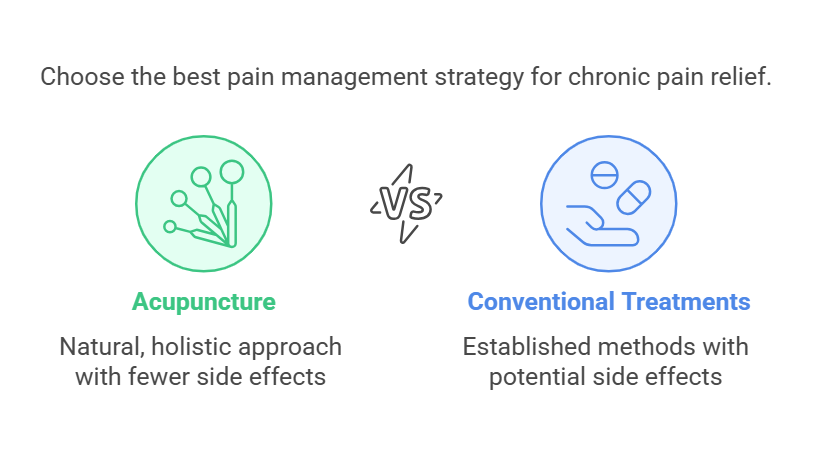
Many people today suffer from chronic pain due to conditions such as arthritis, migraines, back pain, and fibromyalgia. While conventional treatments like medication and physical therapy can help, they often come with side effects or limited effectiveness. Acupuncture offers a natural, holistic alternative that can complement traditional pain management strategies. But how effective is it? And what does the research say? Let’s explore the scientific basis, mechanisms, indications, and practical aspects of acupuncture for pain relief.
Research
Scientific studies have increasingly supported acupuncture as an effective treatment for pain management. Here are three key studies that highlight its benefits:
- **National Institutes of Health (NIH) Study on Chronic Pain (2012)
**A large meta-analysis published in Archives of Internal Medicine analyzed 29 studies involving nearly 18,000 patients. The researchers concluded that acupuncture was significantly more effective than sham treatments and usual care for chronic pain conditions such as osteoarthritis, migraines, and back pain. The results supported the use of acupuncture as a legitimate medical intervention for pain relief. - **Acupuncture for Osteoarthritis (2018, Journal of Pain Research)
**This study examined patients with knee osteoarthritis and found that those receiving acupuncture experienced significant reductions in pain and improved joint function compared to those who received standard medical treatments alone. Researchers noted that acupuncture had anti-inflammatory effects and helped stimulate pain-relief pathways in the nervous system. - **Acupuncture vs. Opioids (2020, JAMA Network Open)
**Given the opioid crisis, researchers have explored alternative pain treatments. This study compared acupuncture with opioid therapy for postoperative pain management. Patients who received acupuncture required fewer opioids and reported lower pain scores, demonstrating its potential as a safer, drug-free alternative for managing pain.
These studies indicate that acupuncture is more than just a placebo—it has measurable effects that help alleviate pain across various conditions.
Mechanism of Action for Pain Relief
How does acupuncture work to relieve pain? While research is still uncovering the full picture, several mechanisms have been identified:
- Endorphin Release: Acupuncture stimulates the body’s natural production of endorphins, which are pain-relieving chemicals similar to opioids but without the side effects.
- Nervous System Modulation: Needling specific acupuncture points influences the central nervous system, altering pain perception by blocking pain signals before they reach the brain.
- Blood Flow Enhancement: Acupuncture promotes better circulation, increasing oxygen and nutrient delivery to injured tissues, speeding up the healing process.
- Inflammation Reduction: Studies show that acupuncture can reduce levels of pro-inflammatory markers, helping with pain conditions like arthritis and muscle soreness.
- Muscle Relaxation: The technique helps release tension in tight muscles, reducing pain caused by muscle knots or spasms.

By targeting these mechanisms, acupuncture provides a comprehensive approach to pain relief that differs from conventional treatments.
Medical Necessity – Indications for Procedure
Acupuncture is recommended for various pain conditions, including:
- Chronic Musculoskeletal Pain: Lower back pain, neck pain, shoulder pain, and osteoarthritis.
- Neuropathic Pain: Sciatica, carpal tunnel syndrome, and diabetic neuropathy.
- Headaches and Migraines: Effective in reducing frequency and severity of tension headaches and migraines.
- Post-Surgical and Post-Trauma Pain: Can aid recovery and minimize dependence on pain medication.
- Fibromyalgia: Patients often experience significant relief from widespread body pain and fatigue.
- Menstrual and Pelvic Pain: Beneficial for conditions like endometriosis and menstrual cramps.
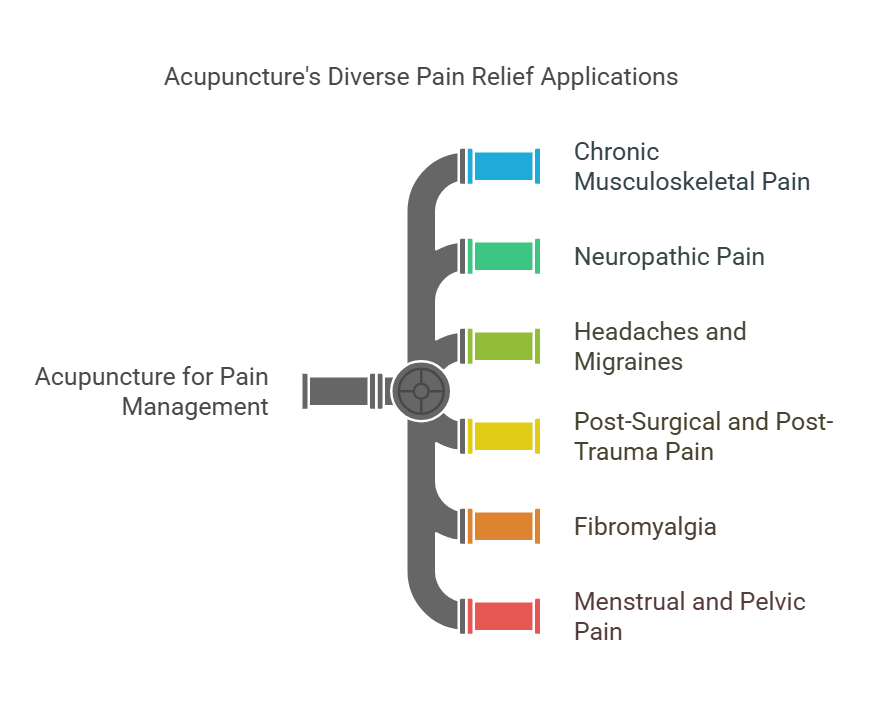
Acupuncture is often used as part of an management plan, complementing other therapies such as physical therapy, chiropractic care, and medication.
Description of Procedure
A standard acupuncture session follows these steps:
- Initial Consultation: The practitioner assesses the patient’s pain condition, medical history, and overall health.
- Point Selection: Based on the assessment, specific acupuncture points are chosen. These may be near the area of pain or located elsewhere in the body.
- Needle Insertion: Thin, sterile needles are inserted into the skin at varying depths. Most patients feel little to no pain during insertion.
- Stimulation: The practitioner may gently move the needles or use electrical stimulation (electroacupuncture) to enhance the effect.
- Retention Period: Needles remain in place for about 20–40 minutes while the patient relaxes.
- Removal and Aftercare: The needles are removed, and the patient is advised on post-session care.
Most patients require multiple sessions for optimal results, with improvements typically seen after 4–6 treatments.
Post-Treatment Instructions and Recovery
Acupuncture has minimal side effects and requires little downtime. However, to maximize benefits, follow these guidelines:
- Rest and Hydration: Avoid strenuous activities immediately after the session and drink plenty of water.
- Monitor Your Response: Some may feel immediate relief, while others notice gradual improvements over several sessions.
- Avoid Alcohol and Caffeine: These can interfere with the body’s healing process.
- Mild Soreness is Normal: Temporary soreness or light bruising at needle sites is common but fades quickly.
- Continue Treatment as Advised: Chronic conditions often require multiple sessions for sustained relief.
By following these steps, patients can enhance the effects of acupuncture and support long-term pain management.
Prognosis
The long-term outlook for acupuncture in pain management is promising, especially when integrated into a holistic treatment plan. Many patients experience:
- Reduced Pain Intensity and Frequency: Chronic pain sufferers often report lasting relief after regular treatments.
- Decreased Medication Use: Acupuncture can reduce reliance on pain medications, including opioids, minimizing side effects and risks.
- Improved Mobility and Functionality: Those with musculoskeletal pain experience better movement and reduced stiffness.
- Enhanced Mental Well-Being: Lower pain levels contribute to reduced stress, anxiety, and improved overall quality of life.
While acupuncture is not a cure-all, it offers a powerful, non-invasive tool for managing pain effectively. Its ability to work in conjunction with other therapies makes it a valuable option for those seeking a holistic approach to pain relief.
Conclusion
Acupuncture, once considered an alternative therapy, is now recognized as a scientifically-backed method for pain management. With its ability to relieve pain naturally, stimulate the body’s healing processes, and complement traditional treatments, it has become an essential component of modern pain care. Whether dealing with chronic pain, post-surgical discomfort, or stress-induced tension, acupuncture provides a safe and effective solution that continues to stand the test of time.