
Manual Therapy: Precision Care for Pain Reduction
Introduction
Chronic and acute pain conditions can greatly impact daily life, making it difficult to perform routine activities. While medications and surgical interventions can help, many patients seek non-invasive approaches for pain relief. Manual therapy is a hands-on treatment that aims to reduce pain, restore mobility, and improve overall function.
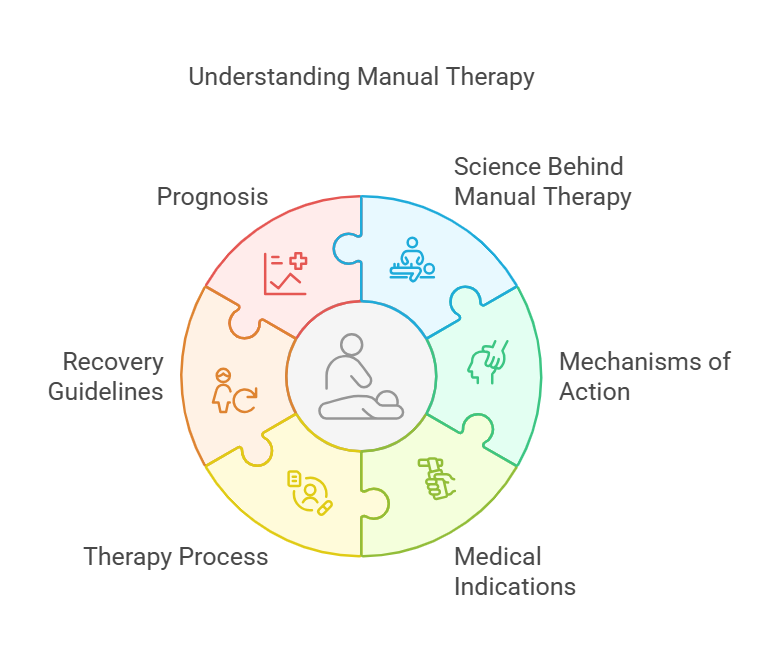
This article explores the science behind manual therapy, its mechanisms of action, medical indications, the therapy process, recovery guidelines, and what to expect in terms of prognosis.
1. Background: Understanding Manual Therapy and Its Importance
Manual therapy is a specialized form of physical treatment involving skilled hand movements and techniques to manipulate muscles, joints, and soft tissues. It is widely used in physical therapy, chiropractic care, and osteopathy to alleviate pain and enhance mobility.
Unlike passive treatments like medications, manual therapy actively engages the body’s musculoskeletal system to promote healing, restore movement, and reduce discomfort.
2. Research: The Science Supporting Manual Therapy
Several studies highlight the effectiveness of manual therapy in managing pain. Below are key findings:
- Manual Therapy for Lower Back Pain (Journal of Orthopedic & Sports Physical Therapy, 2018)
- Patients receiving manual therapy for chronic lower back pain experienced significant pain relief and improved mobility compared to those receiving standard care.
- Chiropractic Manipulation for Neck Pain (Spine Journal, 2020)
- Research showed that spinal manipulation techniques reduced neck pain and improved range of motion in patients with chronic neck discomfort.
- Manual Therapy vs. Exercise Alone (Pain Research & Management, 2021)
- A comparative study found that combining manual therapy with exercise provided superior pain relief compared to exercise alone in individuals with musculoskeletal conditions.
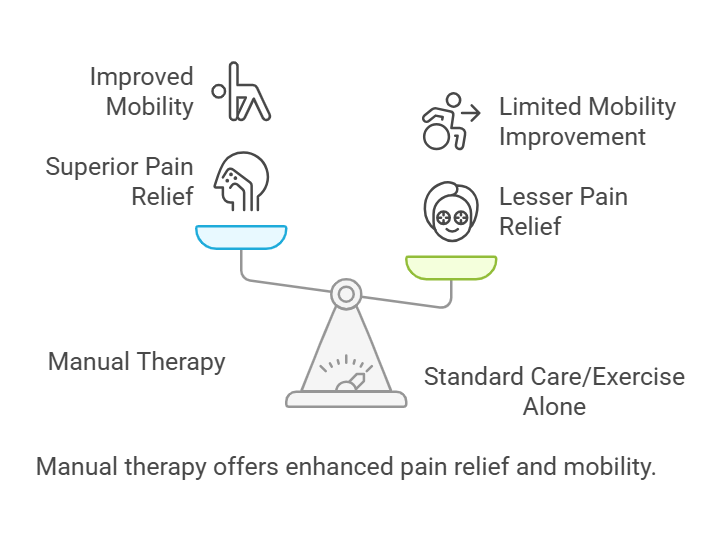
These studies confirm that manual therapy is an effective, non-invasive approach to pain management.
3. Mechanism of Action: How Manual Therapy Relieves Pain
Manual therapy employs various techniques to target pain at its source. The primary mechanisms include:
- Joint Mobilization and Manipulation: Restores normal joint movement and reduces stiffness.
- Soft Tissue Mobilization: Breaks up adhesions and scar tissue to improve muscle function.
- Myofascial Release: Relieves tension in the fascia to reduce pain and improve flexibility.
- Trigger Point Therapy: Targets specific muscle knots to decrease pain and restore function.
- Neuromuscular Techniques: Improve communication between muscles and nerves, enhancing movement and reducing pain sensitivity.
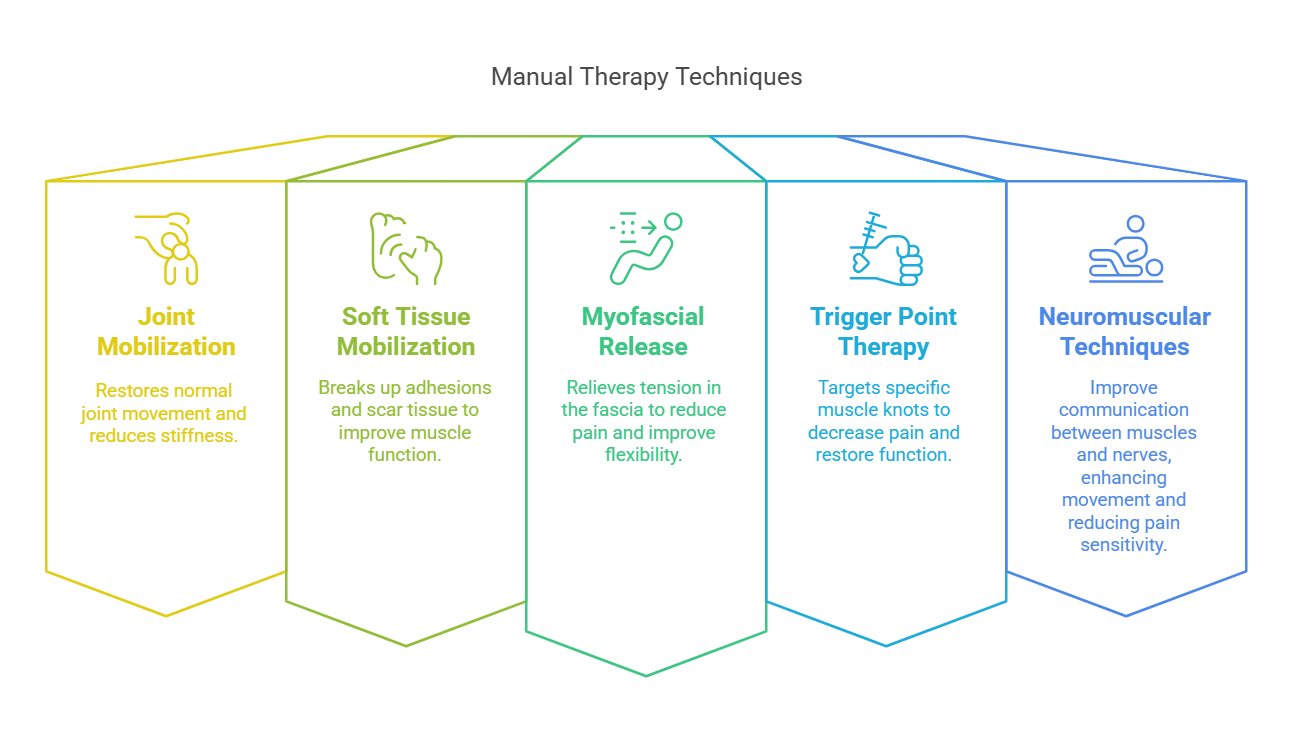
By improving circulation, reducing inflammation, and restoring movement, manual therapy provides effective pain relief and enhances overall function.
4. Medical Necessity: When Is Manual Therapy Recommended?
Manual therapy is commonly used for conditions such as:
- Chronic musculoskeletal pain: Including arthritis, back pain, and fibromyalgia.
- Sports injuries: Helps athletes recover from strains, sprains, and overuse injuries.
- Post-surgical rehabilitation: Aids in recovery and reduces scar tissue formation.
- Neck and shoulder pain: Relieves tension from poor posture and repetitive strain.
- Headaches and migraines: Manual techniques can alleviate tension-related headaches.
- Limited range of motion: Helps restore flexibility and movement in affected areas.
A healthcare provider or physical therapist will assess a patient’s condition to determine if manual therapy is a suitable treatment option.
5. Description of the Manual Therapy Process
The process of manual therapy typically involves:
- Initial Assessment: The therapist evaluates the patient’s pain points, mobility, and medical history.
- Development of a Treatment Plan: A personalized therapy plan is created based on the patient’s needs.
- Application of Hands-On Techniques: The therapist uses various techniques, such as massage, joint mobilization, or stretching.
- Guided Movement and Exercises: Patients may be taught exercises to complement the therapy.
- Ongoing Monitoring and Adjustments: Regular evaluations ensure progress and modifications to the treatment as needed.
Manual therapy sessions may range from 30 to 60 minutes and can be performed weekly or biweekly, depending on the severity of the condition.
6. Post-Treatment Instructions & Recovery
After manual therapy, patients should follow these recovery guidelines:
- Stay Hydrated: Drinking water helps flush out toxins released during therapy.
- Perform Recommended Exercises: Continuing prescribed movements enhances treatment benefits.
- Apply Heat or Ice: To reduce soreness, use ice for inflammation and heat for muscle relaxation.
- Maintain Proper Posture: Avoid slouching and practice good ergonomics to prevent recurrence of pain.
- Follow-Up with Your Therapist: Regular sessions ensure continued improvement and prevent setbacks.
Most patients feel immediate relief, but optimal results are typically achieved with consistent treatment over several weeks.
7. Prognosis: What to Expect After Manual Therapy
The effectiveness of manual therapy depends on factors such as the severity of the condition, adherence to post-treatment recommendations, and individual response. Expected outcomes include:
- Pain Reduction: Many patients experience immediate relief, with continued improvement over time.
- Improved Mobility: Increased flexibility and range of motion in treated areas.
- Enhanced Muscle Function: Strengthening of muscles supporting joints and spine.
- Decreased Dependence on Medication: Many patients reduce or eliminate the need for pain relievers.
- Long-Term Relief: With proper follow-up and maintenance exercises, benefits can be sustained.
Manual therapy provides a precise, hands-on approach to pain relief and functional restoration, making it a valuable tool in pain management.
Conclusion
Manual therapy is an effective, non-invasive treatment option for pain relief and improved mobility. By targeting muscles, joints, and soft tissues, it promotes natural healing and helps individuals regain an active lifestyle.
If you are struggling with chronic or acute pain, consider consulting a manual therapy specialist to explore how this hands-on approach can support your recovery.