
Laser Therapy: Advanced Solutions for Pain and Inflammation
Introduction
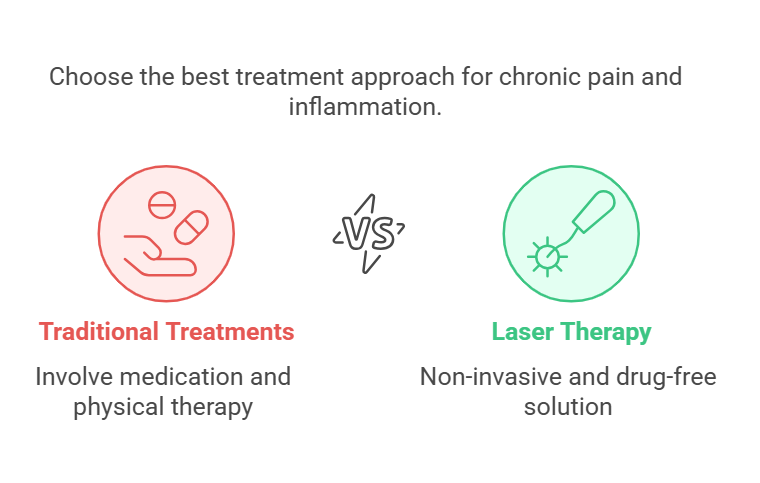
Chronic pain and inflammation can significantly impact daily life, limiting mobility and reducing quality of life. While traditional treatments such as medications and physical therapy are beneficial, advancements in medical technology have introduced laser therapy as a non-invasive, drug-free solution for pain relief. This innovative approach uses light energy to promote healing, reduce inflammation, and enhance recovery.
This article explores the science behind laser therapy, its mechanisms of action, medical indications, the treatment process, recovery guidelines, and what to expect in terms of prognosis.
1. Background: Understanding Laser Therapy and Its Importance
Laser therapy, also known as low-level laser therapy (LLLT) or photobiomodulation therapy (PBMT), is a cutting-edge treatment that utilizes specific wavelengths of light to penetrate tissues and stimulate cellular healing. Unlike surgical lasers, which cut tissue, therapeutic lasers work at lower intensities to reduce pain and inflammation while accelerating tissue repair.
This treatment is widely used in physical therapy, sports medicine, and pain management clinics to address a range of musculoskeletal conditions without the need for medication or invasive procedures.
2. Research: The Science Supporting Laser Therapy
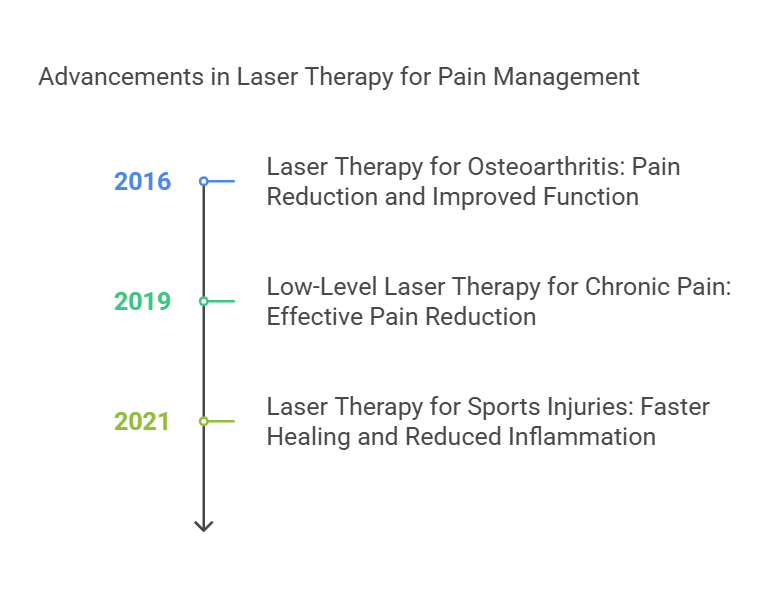
Multiple studies support the effectiveness of laser therapy for pain and inflammation. Here are some key findings:
- Laser Therapy for Osteoarthritis (The Lancet, 2016)
- A systematic review found that patients with osteoarthritis experienced significant pain reduction and improved joint function after laser therapy sessions.
- Low-Level Laser Therapy for Chronic Pain (Pain Management Journal, 2019)
- Research demonstrated that LLLT effectively reduced chronic pain in conditions such as fibromyalgia and lower back pain.
- Laser Therapy for Sports Injuries (Journal of Athletic Training, 2021)
- Athletes recovering from muscle strains and tendon injuries showed faster healing times and reduced inflammation with laser treatments.
These findings highlight laser therapy as a proven, non-invasive approach to pain relief and tissue repair.
3. Mechanism of Action: How Laser Therapy Relieves Pain and Reduces Inflammation
Laser therapy works at the cellular level by:
- Increasing ATP Production: Boosts cellular energy, enhancing tissue repair and regeneration.
- Reducing Inflammation: Modulates inflammatory responses to decrease swelling and discomfort.
- Stimulating Blood Flow: Enhances circulation, improving oxygen and nutrient delivery to affected areas.
- Blocking Pain Signals: Interferes with nerve pathways to reduce pain perception.
- Promoting Collagen Synthesis: Supports tissue strength and elasticity for long-term healing.
These combined effects make laser therapy a highly effective tool for managing pain and inflammation.
4. Medical Necessity: When Is Laser Therapy Recommended?
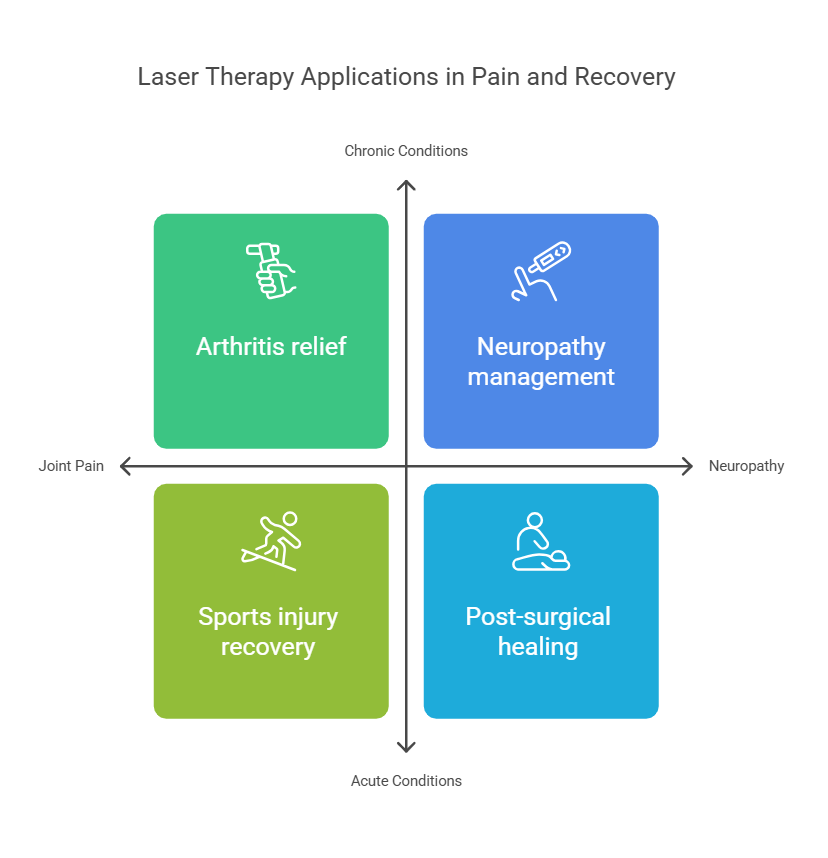
Laser therapy is commonly used for conditions such as:
- Arthritis and joint pain: Alleviates inflammation and stiffness in osteoarthritis and rheumatoid arthritis.
- Chronic lower back pain: Provides relief from disc degeneration and muscle tension.
- Tendonitis and bursitis: Reduces swelling and promotes healing in overuse injuries.
- Sports injuries: Enhances recovery from strains, sprains, and ligament damage.
- Neuropathy and nerve pain: Helps manage diabetic neuropathy and carpal tunnel syndrome.
- Post-surgical healing: Accelerates recovery and minimizes scar tissue formation.
A healthcare provider will evaluate a patient’s condition to determine if laser therapy is a suitable treatment option.
5. Description of the Laser Therapy Process
The laser therapy process typically involves:
- Initial Consultation: A specialist assesses the patient’s condition and pain levels.
- Treatment Planning: A customized laser therapy program is designed based on individual needs.
- Application of Laser Energy: A handheld device is placed over the affected area, delivering light energy for several minutes.
- Monitoring Progress: The patient’s response is evaluated over multiple sessions, with adjustments as needed.
- Combination with Other Treatments: Laser therapy is often integrated with physical therapy or chiropractic care for enhanced results.
Sessions typically last 5 to 15 minutes, and multiple treatments may be required for optimal outcomes.
6. Post-Treatment Instructions & Recovery
After laser therapy, patients should follow these recovery guidelines:
- Stay Hydrated: Proper hydration supports cellular function and healing.
- Avoid Excessive Strain: Allow time for tissues to recover before engaging in intense activities.
- Follow Up on Sessions: Completing the recommended number of treatments enhances long-term effectiveness.
- Maintain a Healthy Lifestyle: Proper nutrition, stretching, and stress management contribute to better pain management.
- Communicate with Your Provider: Report any changes in symptoms to ensure optimal treatment adjustments.
Many patients experience relief after just a few sessions, but chronic conditions may require ongoing therapy.
7. Prognosis: What to Expect After Laser Therapy
The success of laser therapy depends on factors such as the severity of the condition, consistency of treatment, and individual response. Expected outcomes include:
- Reduced Pain and Inflammation: Many patients notice a significant decrease in symptoms after multiple sessions.
- Improved Mobility and Function: Enhanced movement and flexibility in treated areas.
- Faster Recovery from Injuries: Accelerated healing of muscles, tendons, and joints.
- Long-Term Pain Relief: Continued benefits with regular maintenance sessions.
- Decreased Dependence on Medication: Many patients reduce or eliminate the need for pain medications.
Laser therapy offers a safe and effective solution for those seeking non-invasive pain relief and accelerated healing.
Conclusion
Laser therapy is a revolutionary approach to managing pain and inflammation without the need for surgery or medications. By harnessing the power of light energy, this treatment promotes healing at the cellular level, providing long-lasting relief for a variety of conditions.
If you are looking for an advanced, non-invasive solution to chronic pain or injury recovery, consult a healthcare provider to explore whether laser therapy is right for you.