
Background and Overview
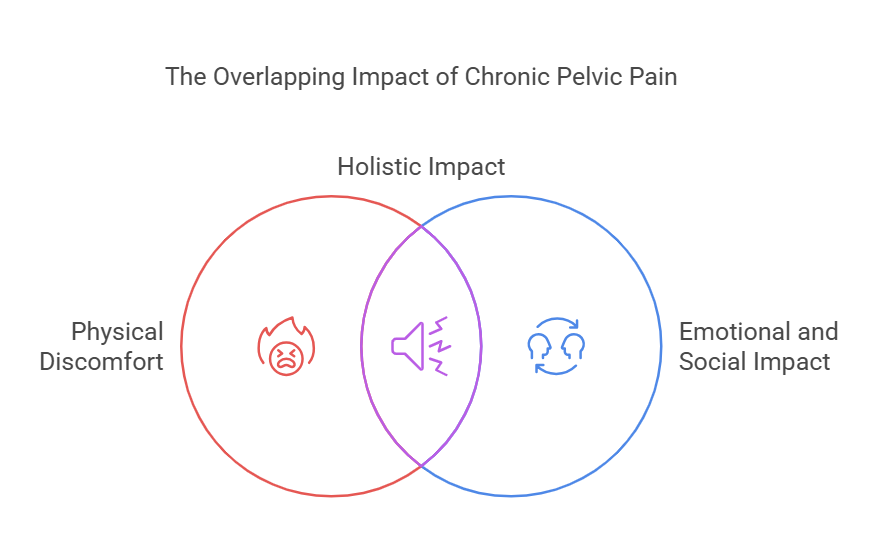
Chronic Pelvic Pain (CPP) is a condition that affects millions of people, causing persistent discomfort or pain in the pelvic region for six months or more. This pain can have a profound impact on a person’s daily life, affecting everything from work and social activities to mental health and personal relationships.
Pelvic pain refers to any discomfort that occurs in the lower abdomen or pelvic region, which includes the reproductive organs, urinary system, digestive system, and muscles surrounding the pelvis. For those with Chronic Pelvic Pain, this discomfort is not just occasional, but long-lasting and often debilitating. The exact cause of CPP can vary from person to person and may be linked to a range of conditions that affect the reproductive organs, muscles, nerves, or other pelvic structures.
Despite its significant impact on quality of life, CPP is often a silent struggle. Many people suffering from it find it difficult to talk about, and the condition is sometimes misunderstood by both sufferers and healthcare providers. However, awareness of Chronic Pelvic Pain has increased in recent years, and there are now better ways to manage and treat this complex condition.
Symptoms & Causes
Symptoms
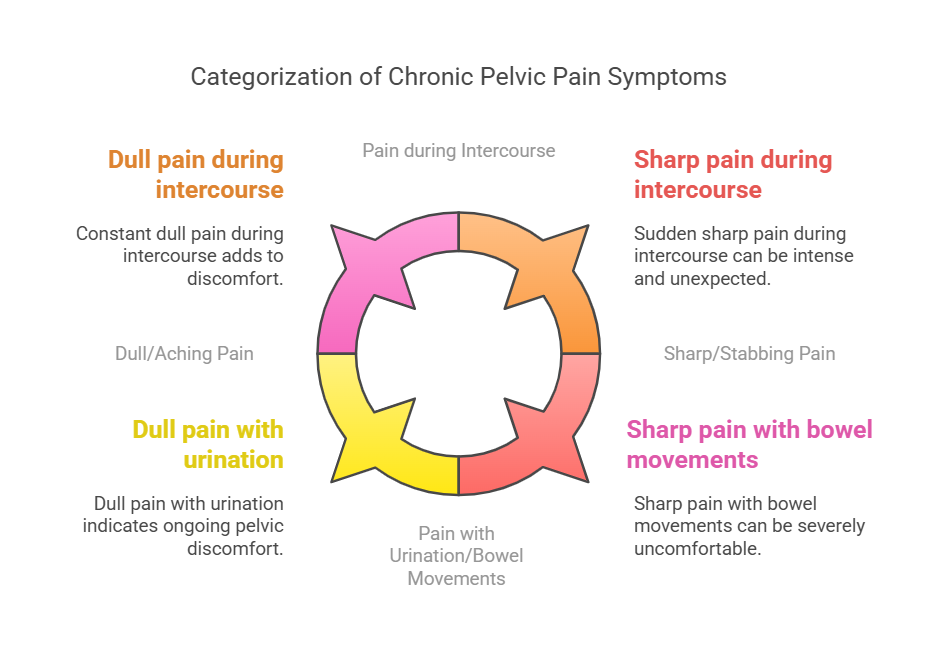
Chronic Pelvic Pain manifests as persistent or recurring discomfort or pain in the lower abdomen or pelvis. The severity and frequency of pain can vary widely, but common symptoms include:
- Dull or aching pain: This is the most common type of pain experienced by individuals with CPP. It can feel like a constant heaviness or pressure in the pelvic area.
- Sharp or stabbing pain: Some people experience sudden sharp pains that may come and go. These can be triggered by certain activities, like sitting for long periods or sexual activity.
- Pain during or after intercourse: Pain during or following sexual activity is a common complaint among individuals with CPP.
- Pain with urination or bowel movements: Pain can be triggered by going to the bathroom, especially during menstruation or when suffering from certain pelvic conditions.
- Lower back pain: Many people with CPP also experience chronic lower back pain, which can be related to pelvic muscle tension or other issues.
In addition to physical symptoms, Chronic Pelvic Pain can also lead to emotional and psychological distress, such as anxiety, depression, or feelings of frustration. This combination of physical and emotional strain can make the condition even more difficult to manage.
Causes
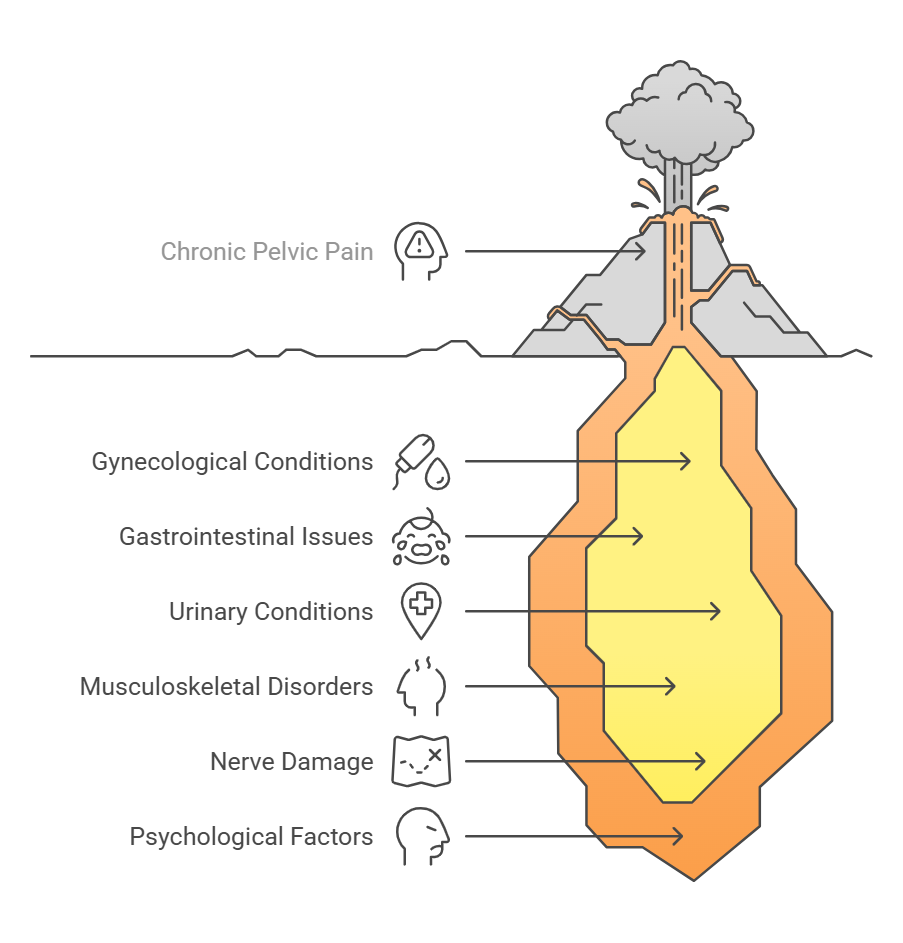
The causes of Chronic Pelvic Pain are multifaceted and can be divided into several categories, including:
- Gynecological Conditions: Some of the most common causes of CPP in women are gynecological issues, such as:
- Endometriosis: A condition where tissue similar to the lining of the uterus grows outside of it, causing inflammation and scarring.
- Pelvic Inflammatory Disease (PID): An infection of the reproductive organs that can lead to chronic pain and scarring.
- Ovarian cysts: Fluid-filled sacs that form on the ovaries can cause pain if they rupture or grow large.
- Fibroids: Noncancerous growths in the uterus can cause pelvic pain, especially if they press against surrounding tissues.
- Gastrointestinal Issues: Conditions affecting the digestive system, such as:
- Irritable Bowel Syndrome (IBS): A condition that causes discomfort, bloating, and changes in bowel habits.
- Constipation: Chronic constipation can lead to pelvic pain due to the build-up of stool in the colon.
- Urinary Conditions: Problems with the bladder and urinary tract can also contribute to CPP, such as:
- Interstitial Cystitis: A chronic bladder condition that causes pain, pressure, and sometimes urgency or frequency of urination.
- Bladder infections: Recurrent urinary tract infections can lead to chronic pelvic discomfort.
- Musculoskeletal Disorders: Tension in the pelvic floor muscles or other areas of the pelvis can lead to persistent pain. This can be a result of injury, overuse, or underlying conditions like:
- Pelvic floor dysfunction: The muscles and ligaments supporting the pelvic organs may become weak or tight, causing pain.
- Nerve Damage or Irritation: Sometimes, nerves in the pelvic area can become irritated, inflamed, or damaged due to trauma, surgery, or other conditions, leading to chronic pain.
- Psychological Factors: Emotional stress, anxiety, and past trauma can also contribute to or worsen the perception of pelvic pain. The brain plays a significant role in how pain is processed, and stress can amplify pain sensations.
In many cases, a combination of these factors can contribute to the development of Chronic Pelvic Pain.
Diagnosis & Tests
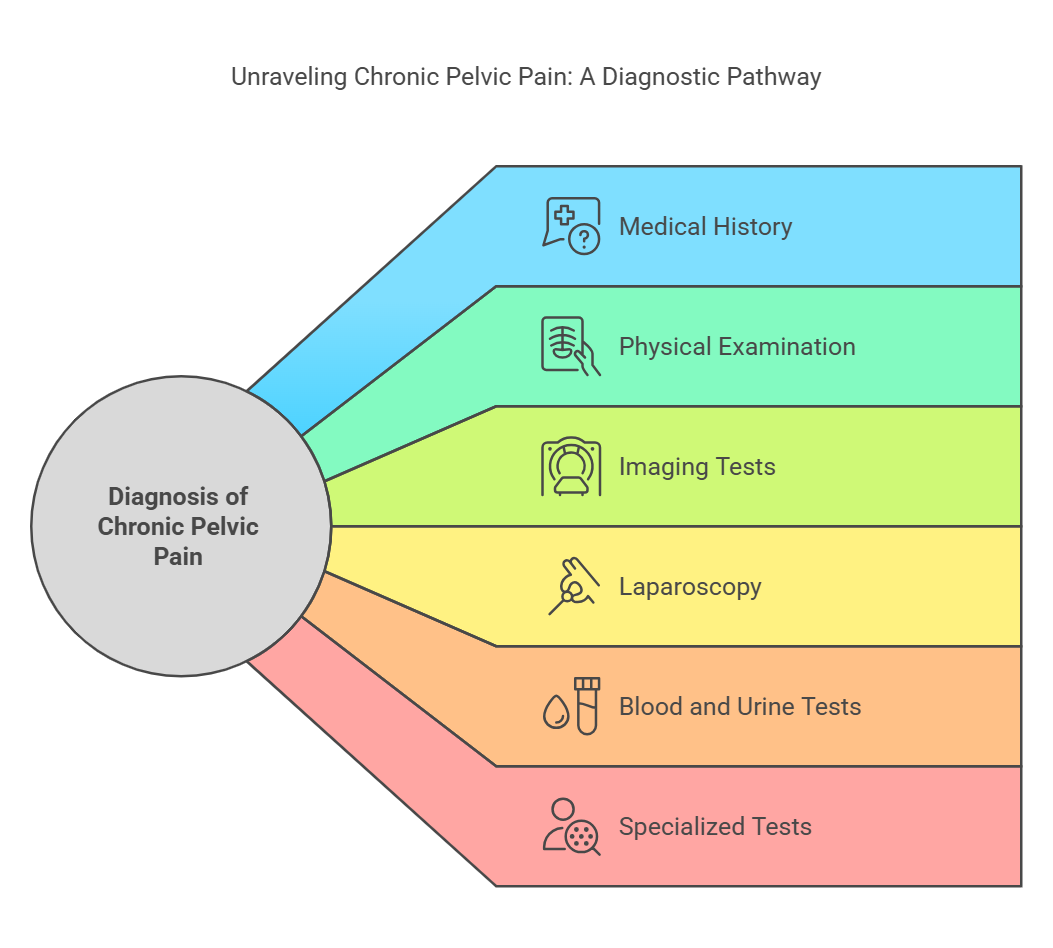
Diagnosing Chronic Pelvic Pain is not always straightforward due to the wide variety of potential causes. A thorough assessment typically involves the following steps:
- Medical History: The doctor will begin by asking about the patient’s symptoms, medical history, sexual history, and any previous treatments or surgeries. This helps provide a clearer picture of potential underlying conditions.
- Physical Examination: A pelvic exam is usually conducted to check for any abnormalities in the reproductive organs, bladder, or rectum. The doctor may also assess the pelvic floor muscles to check for signs of dysfunction.
- Imaging Tests: Sometimes, imaging tests like ultrasounds, CT scans, or MRIs may be ordered to look for conditions such as endometriosis, fibroids, ovarian cysts, or other anatomical issues.
- Laparoscopy: In some cases, a minimally invasive surgery called laparoscopy may be performed. This allows the doctor to directly view the pelvic organs and look for issues like endometriosis or pelvic adhesions.
- Blood and Urine Tests: These can help rule out infections, inflammation, or other systemic conditions that might be contributing to the pain.
- Specialized Tests: Depending on the suspected cause, additional tests may be recommended, such as a colonoscopy for gastrointestinal issues or urodynamics testing for bladder-related problems.
A diagnosis of Chronic Pelvic Pain is often made by ruling out other possible causes and identifying a condition that might be contributing to the pain. It’s important for individuals to work closely with their healthcare providers to ensure that all possible causes are explored.
Management & Treatment
The management of Chronic Pelvic Pain involves a multidisciplinary approach tailored to the specific causes and symptoms of the individual. Treatment strategies can include:
- Medications:
- Pain relievers: Over-the-counter medications like ibuprofen or acetaminophen can help manage mild pain. In more severe cases, stronger pain medications may be prescribed.
- Hormonal therapies: For conditions like endometriosis or fibroids, hormonal treatments such as birth control pills, hormone replacement therapy, or GnRH agonists may be used to regulate the menstrual cycle and reduce pain.
- Antidepressants: Certain antidepressants, particularly tricyclics, can help manage pain by affecting the way the brain processes pain signals.
- Muscle relaxants: These may help if the pain is related to muscle tension or pelvic floor dysfunction.
- Physical Therapy: Pelvic floor physical therapy is often recommended to help relax tight muscles, strengthen weak ones, and improve overall pelvic function.
- Surgical Treatments:
- Laparoscopic surgery: If conditions like endometriosis or pelvic adhesions are identified, surgery may be needed to remove tissue or correct anatomical problems.
- Hysterectomy: In severe cases where other treatments have failed, a hysterectomy (removal of the uterus) may be considered, especially if conditions like fibroids are causing significant pain.
- Psychological Support: Chronic Pelvic Pain can take an emotional toll, so therapy or counseling may be beneficial. Cognitive-behavioral therapy (CBT) is one approach that helps individuals change their thought patterns and manage pain more effectively.
- Lifestyle Changes: Regular exercise, stress reduction techniques, dietary changes, and alternative therapies like acupuncture may also help alleviate symptoms.
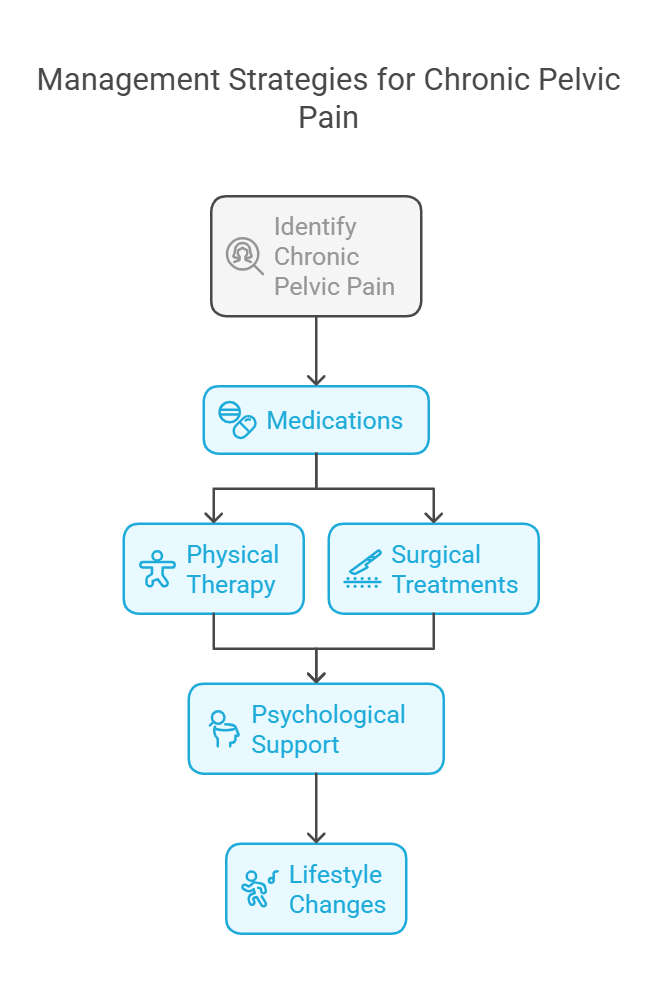
The key to managing Chronic Pelvic Pain is finding the right combination of treatments that work for the individual. Since this condition often involves multiple factors, a holistic and personalized approach is typically the most effective.
Prevention
While it may not always be possible to prevent Chronic Pelvic Pain, there are steps individuals can take to reduce their risk:
- Maintain a healthy weight: Being overweight can put added pressure on the pelvic organs, potentially contributing to pelvic pain.
- Exercise regularly: Strengthening the pelvic floor muscles through gentle exercises or yoga can help reduce the likelihood of pelvic muscle dysfunction.
- Manage stress: Chronic stress can worsen pain perception, so practicing stress management techniques such as mindfulness, deep breathing, or relaxation exercises can be helpful.
- Avoiding infections: Preventing pelvic infections through safe sexual practices and good hygiene can reduce the risk of conditions like pelvic inflammatory disease or urinary tract infections.
- Early treatment of underlying conditions: Promptly treating conditions like endometriosis, fibroids, or IBS can help prevent them from progressing and causing chronic pain.
Outlook/Prognosis
The outlook for individuals with Chronic Pelvic Pain can vary depending on the underlying cause, the effectiveness of treatment, and how well the individual responds to therapy. In many cases, with the right treatment and support, people with CPP can manage their symptoms and live relatively normal lives. However, some individuals may continue to experience chronic pain despite treatment.
Living with CPP can be challenging, but with ongoing medical care, lifestyle adjustments, and emotional support, many individuals find ways to cope and reduce the impact of the pain on their daily lives. Open communication with healthcare providers, support groups, and loved ones can also play a vital role in navigating this silent struggle.