
Background and Overview
The rotator cuff is a group of four muscles and their tendons that stabilize the shoulder joint and enable arm movement. It’s a vital component of the shoulder’s complex structure, making it crucial for everyday activities such as lifting, throwing, or even brushing your hair. Unfortunately, due to its frequent use and susceptibility to wear and tear, the rotator cuff is prone to injuries, including tears.
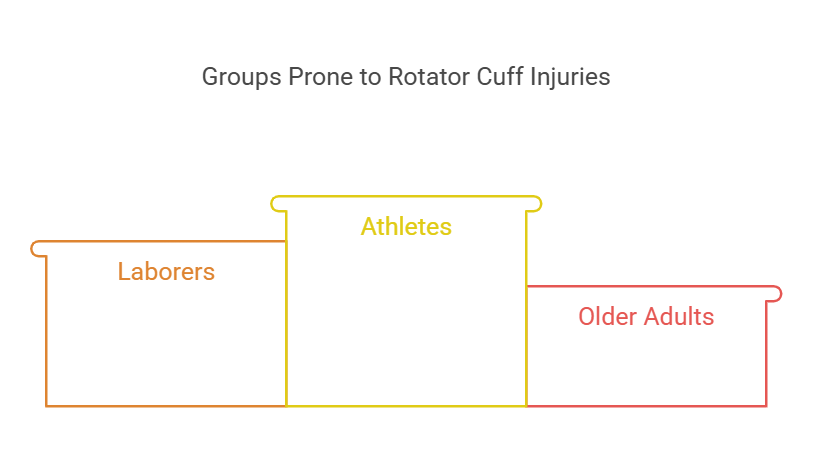
A rotator cuff tear occurs when one or more of these tendons are damaged, leading to pain, weakness, and restricted movement. These tears can happen suddenly due to trauma or develop gradually from overuse. Rotator cuff injuries are common, particularly among athletes, laborers, and older adults. Understanding the signs, risks, and solutions for rotator cuff tears is key to effective treatment and recovery.
Symptoms and Causes
Symptoms Rotator cuff tears can present with varying symptoms depending on the severity of the injury. Common signs include:
- Pain: Often felt on the outer shoulder and arm, especially when lifting or lowering the arm.
- Weakness: Difficulty lifting or rotating the arm, making simple tasks challenging.
- Limited Range of Motion: The shoulder may feel stiff or difficult to move.
- Clicking or Popping Sounds: Audible noises during movement may indicate damage.
- Night Pain: Discomfort that worsens when lying on the affected side or during sleep.
In some cases, minor tears may not cause noticeable symptoms initially but can worsen over time if left untreated.
Causes Rotator cuff tears can be caused by:
- Acute Injuries:
- Sudden trauma, such as falling on an outstretched arm or lifting something heavy abruptly.
- Common in younger individuals or athletes.
- Degenerative Changes:
- Wear and tear over time, often associated with aging.
- Repeated overhead motions (e.g., painting, swimming, or playing tennis) can accelerate tendon breakdown.
- Risk Factors:
- Age: Tears are more common in individuals over 40 years old.
- Repetitive Stress: Jobs or sports involving repeated arm motions increase risk.
- Poor Posture: Forward shoulder posture can put strain on the rotator cuff.
- Smoking: Reduces blood supply to tendons, impairing healing.

Diagnosis and Tests
Diagnosing a rotator cuff tear begins with a detailed medical history and physical examination. Doctors assess symptoms, check for tenderness, and evaluate the range of motion and strength in the shoulder.
Key Diagnostic Methods:
- Physical Examination:
- Tests like the “arm drop test” or “empty can test” help detect weakness and instability.
- Imaging Tests:
- X-rays: While X-rays don’t show soft tissues like tendons, they can identify bone spurs or other issues contributing to tears.
- Ultrasound: Provides a real-time image of the tendons to detect tears and inflammation.
- MRI (Magnetic Resonance Imaging): Offers detailed images of soft tissues, making it the most comprehensive method to identify the size and location of tears.
- Arthroscopy:
- In some cases, a minimally invasive procedure called arthroscopy is used for diagnosis and treatment simultaneously. It involves inserting a small camera into the joint to inspect the damage.
Prompt diagnosis is crucial to prevent further damage and initiate proper treatment.
Management and Treatment
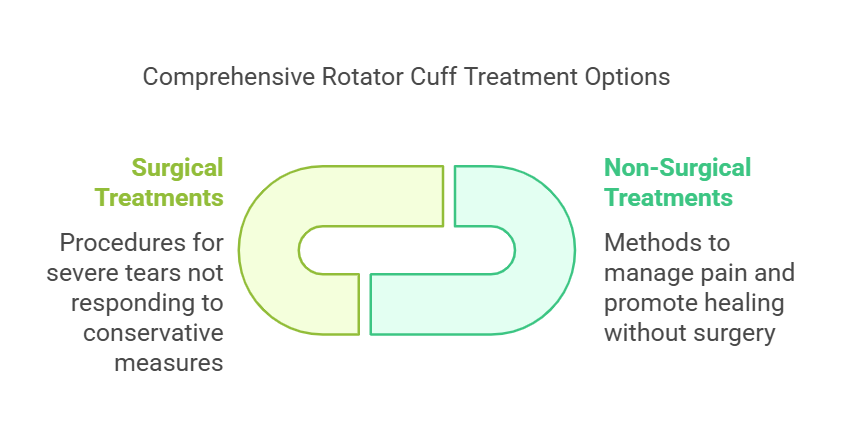
Treatment for rotator cuff tears varies depending on the severity of the injury, patient’s age, activity level, and overall health. It can range from conservative measures to surgical intervention.
Non-Surgical Treatments:
- Rest and Activity Modification:
- Avoiding activities that aggravate the shoulder can reduce strain and promote healing.
- Physical Therapy:
- A tailored exercise program strengthens the surrounding muscles, improves flexibility, and restores shoulder function.
- Medications:
- Over-the-counter pain relievers like ibuprofen or acetaminophen can help manage pain and inflammation.
- Corticosteroid Injections:
- Provides temporary relief for severe pain by reducing inflammation. However, frequent use can weaken tendons.
Surgical Treatments: Surgery may be recommended for severe or persistent tears that don’t respond to conservative treatments.
- Arthroscopic Repair:
- Minimally invasive procedure where the torn tendon is reattached to the bone using small instruments.
- Open Surgery:
- Used for larger or complex tears, involving a larger incision to repair the tendon.
- Tendon Transfer:
- If the tear is irreparable, a tendon from a nearby muscle is used to restore function.
- Shoulder Replacement:
- In cases of severe damage, particularly with arthritis, a partial or total shoulder replacement may be necessary.
Recovery times vary but can range from a few weeks for minor tears to several months after surgery. Adhering to a physical therapy program is critical for a successful recovery.
Prevention
Preventing rotator cuff tears involves maintaining strong, flexible shoulders and practicing safe habits.
Tips to Prevent Rotator Cuff Injuries:
- Strengthen Shoulder Muscles:
- Incorporate exercises that target the rotator cuff and surrounding muscles, such as resistance band workouts or dumbbell raises.
- Warm-Up Properly:
- Stretch and perform light exercises before engaging in intense physical activity to prepare the muscles and tendons.
- Avoid Repetitive Strain:
- Take regular breaks from repetitive overhead motions to reduce stress on the shoulder.
- Improve Posture:
- Maintain an upright posture to prevent unnecessary strain on the rotator cuff.
- Use Proper Techniques:
- Practice safe lifting techniques and proper form during sports or physical activities.
Outlook and Prognosis
The prognosis for a rotator cuff tear depends on factors like the size of the tear, the patient’s age, and how quickly treatment begins. With early intervention, most people experience significant improvement in pain and shoulder function.
- Minor Tears: Respond well to non-surgical treatments and physical therapy, often leading to full recovery within weeks.
- Surgical Cases: While recovery may take several months, many patients regain full shoulder strength and mobility with proper rehabilitation.
- Chronic or Untreated Tears: May lead to further damage, chronic pain, and arthritis in the shoulder joint.
Supportive care, consistent follow-up with healthcare providers, and adherence to treatment plans can help individuals return to their daily activities and prevent future injuries.