
Cognitive Behavioral Therapy for Chronic Pain: Mind Over Matter
Introduction
Chronic pain is not just a physical condition—it also has a significant psychological component. While traditional treatments such as medications and physical therapy focus on the body, Cognitive Behavioral Therapy (CBT) offers a powerful approach to managing pain by addressing thoughts, emotions, and behaviors. This therapy helps patients develop coping strategies, reframe negative thought patterns, and regain control over their pain experience.
This article explores the science behind CBT for chronic pain, its mechanisms of action, medical indications, the therapy process, recovery guidelines, and what to expect in terms of prognosis.

1. Background: Understanding CBT and Its Importance in Pain Management
CBT is a form of psychological therapy that focuses on identifying and modifying negative thought patterns and behaviors. When applied to chronic pain, CBT helps patients reframe how they perceive pain, reducing its intensity and emotional burden.
Unlike medication-based treatments, CBT does not eliminate pain directly but empowers individuals to change their response to it. This mind-body approach is especially beneficial for those who experience persistent pain that does not respond well to medical interventions.
2. Research: The Science Supporting CBT for Chronic Pain
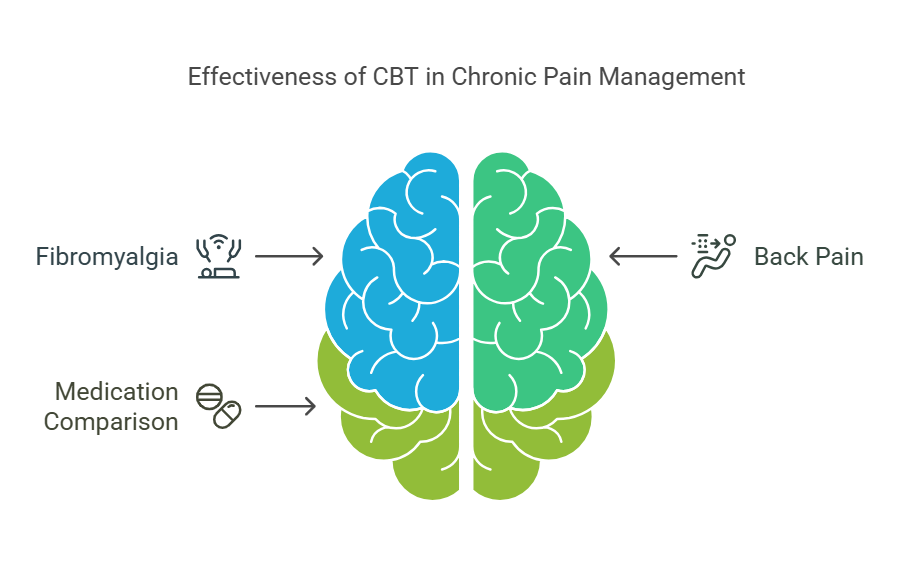
Several studies demonstrate the effectiveness of CBT in managing chronic pain. Below are key findings:
- CBT for Fibromyalgia (Journal of Pain, 2018)
- This study showed that patients with fibromyalgia who underwent CBT experienced reduced pain perception and improved daily functioning.
- CBT and Back Pain (Pain Medicine, 2020)
- Research found that patients with chronic back pain who engaged in CBT had significantly lower pain levels and decreased reliance on pain medications.
- CBT vs. Medication (The Lancet, 2021)
- A comparative study found that CBT was as effective as medication in reducing chronic pain symptoms, with the added benefit of no side effects.
These studies highlight that CBT is a scientifically supported, non-invasive way to manage chronic pain effectively.
3. Mechanism of Action: How CBT Relieves Pain
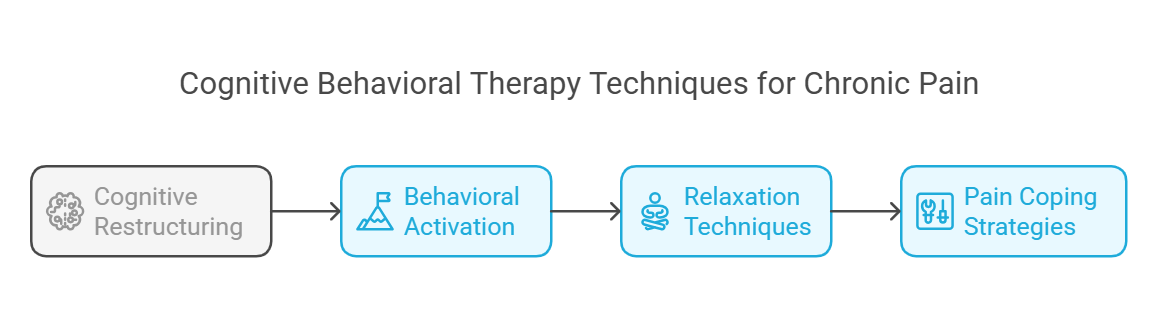
CBT works by altering the way the brain processes pain. Here’s how:
- Cognitive Restructuring: Helps patients identify and change negative thoughts about pain, reducing distress and perceived intensity.
- Behavioral Activation: Encourages engagement in activities that improve mood and reduce pain-related avoidance behaviors.
- Relaxation Techniques: Breathing exercises and mindfulness help decrease stress, which in turn lowers pain levels.
- Pain Coping Strategies: Patients learn adaptive coping mechanisms to manage flare-ups and reduce reliance on medication.
By retraining the brain’s response to pain, CBT helps patients regain control over their lives and improve their overall well-being.
4. Medical Necessity: When Is CBT Recommended for Chronic Pain?
CBT is beneficial for individuals experiencing:
- Chronic musculoskeletal pain: Conditions such as arthritis, fibromyalgia, and back pain.
- Neuropathic pain: Including diabetic neuropathy and sciatica.
- Migraine and tension headaches: Helps reduce frequency and severity.
- Post-surgical pain: Aids in pain management and faster recovery.
- Pain-related anxiety and depression: Addresses emotional distress linked to chronic pain.
A healthcare provider may recommend CBT as a standalone treatment or in combination with medical interventions.
5. Description of the CBT Process
CBT for chronic pain is typically delivered over several sessions with a trained therapist. The process includes:
- Assessment and Goal Setting: The therapist evaluates the patient’s pain experience and sets realistic treatment goals.
- Cognitive Restructuring: Patients learn to identify and challenge unhelpful thoughts about pain.
- Behavioral Strategies: Encourages healthy habits, such as gradual activity increases and relaxation techniques.
- Mindfulness and Stress Management: Teaches meditation, breathing exercises, and progressive muscle relaxation.
- Skill Reinforcement and Maintenance: Patients practice learned strategies to sustain long-term benefits.
CBT can be done in individual or group therapy sessions, in-person or online.
6. Post-Treatment Instructions & Recovery
Patients undergoing CBT should follow these guidelines for optimal results:
- Practice Learned Techniques: Regularly apply cognitive restructuring and relaxation exercises.
- Stay Physically Active: Gentle movement and stretching can enhance pain management.
- Monitor Progress: Keep a pain journal to track improvements and challenges.
- Maintain a Positive Mindset: Consistency is key—benefits increase with long-term commitment.
- Follow-Up with a Therapist: Regular check-ins ensure continued progress and skill reinforcement.
Many patients notice improvements within a few weeks, with significant benefits developing over time.
7. Prognosis: What to Expect After CBT
The effectiveness of CBT varies by individual, but most patients report:
- Reduced Pain Perception: Many experience less distress and improved pain tolerance.
- Enhanced Quality of Life: Better sleep, mood, and ability to engage in daily activities.
- Lower Dependence on Medication: Many patients reduce or eliminate pain medication use.
- Long-Term Benefits: With continued practice, patients maintain improvements even after therapy ends.
CBT offers a sustainable, side-effect-free approach to managing chronic pain, making it an excellent alternative or complement to medical treatments.
Conclusion
Cognitive Behavioral Therapy is a powerful tool for chronic pain management, helping patients change the way they think about and react to pain. By addressing both the mental and physical aspects of pain, CBT empowers individuals to take control of their well-being.
If you’re struggling with chronic pain and looking for a non-invasive, long-lasting solution, CBT might be the answer. Consult a healthcare provider or therapist to explore how this evidence-based approach can help you regain a better quality of life.