
Lifestyle Modifications for Pain Management: Small Changes, Big Impact
Background
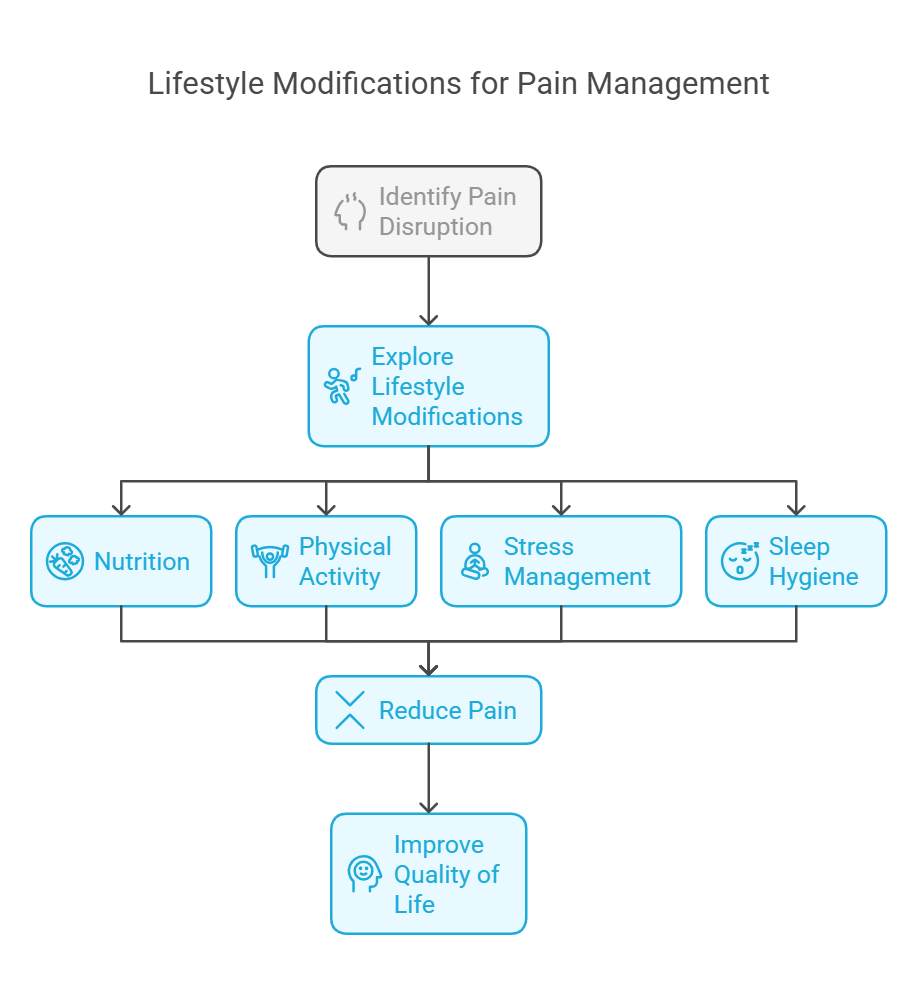
Pain, whether chronic or acute, can be a major disruption to daily life. It can affect everything from work performance to sleep quality and overall well-being. While many turn to medications or invasive treatments for relief, there is an often overlooked approach that can make a significant difference: lifestyle modifications. These are small, manageable changes to daily habits that can have a profound effect on pain management, offering long-term relief and improving overall health without the need for heavy reliance on medications.
From nutrition to physical activity, stress management to sleep hygiene, these changes not only reduce pain but also enhance overall quality of life. In this article, we will explore the science behind lifestyle modifications for pain management, the research supporting their effectiveness, how they work in alleviating pain, and how to incorporate them into your daily routine.
Research
Numerous studies have shown that lifestyle changes can play an essential role in managing pain. Research highlights how consistent adjustments to one’s routine can not only help alleviate pain but also improve long-term health outcomes. Here are some significant studies:
- The Effect of Exercise on Chronic Pain (American Journal of Preventive Medicine, 2017)
A study published in the American Journal of Preventive Medicine explored the relationship between regular physical activity and chronic pain management. Researchers found that participants with chronic pain conditions, such as osteoarthritis and lower back pain, experienced significant reductions in pain intensity after engaging in consistent, low-impact exercise routines. Activities like swimming, walking, and yoga were particularly beneficial in improving joint mobility, reducing muscle stiffness, and enhancing overall pain tolerance.
- Dietary Modifications for Pain Relief (Journal of Clinical Nutrition, 2018)
Another study, published in The Journal of Clinical Nutrition, focused on the impact of anti-inflammatory diets on pain management. The research indicated that certain dietary changes—such as increasing the intake of omega-3 fatty acids, antioxidants, and anti-inflammatory foods (like turmeric and leafy greens)—helped reduce inflammation and pain in conditions like rheumatoid arthritis and fibromyalgia. The study concluded that a diet rich in anti-inflammatory foods can significantly contribute to pain reduction and overall health improvement.
- Mindfulness-Based Stress Reduction (Journal of Pain, 2016)
Stress is a major contributor to pain perception, and a study published in The Journal of Pain (2016) investigated the effects of mindfulness-based stress reduction (MBSR) techniques on chronic pain sufferers. The results revealed that individuals who practiced mindfulness meditation and stress reduction techniques showed lower levels of pain, anxiety, and depression. They also reported improved mood and increased coping skills for managing pain.
These studies, among many others, show that lifestyle modifications can help reduce pain, improve mental health, and promote overall well-being.
Mechanism of Action for Pain Relief
Lifestyle modifications work to reduce pain in several ways, targeting both the physical and psychological components of pain:
- Exercise and Physical Activity:
- Regular exercise promotes the release of endorphins, which are the body’s natural painkillers.
- Physical activity improves circulation, which helps deliver oxygen and nutrients to tissues, reducing inflammation and promoting healing.
- Strengthening muscles and improving flexibility can alleviate the strain on joints and reduce the intensity of musculoskeletal pain.
- Nutrition and Anti-Inflammatory Diet:
- Diets rich in anti-inflammatory foods (like omega-3 fatty acids, fruits, vegetables, and whole grains) help decrease systemic inflammation, which is often a source of chronic pain.
- Reducing processed foods, sugars, and refined grains can reduce the body’s inflammatory responses, thereby lowering pain levels.
- Stress Management and Mental Health:
- Stress increases the body’s production of cortisol, a hormone that can heighten pain sensitivity. Mindfulness and relaxation techniques, such as meditation and deep breathing, can lower stress levels, which in turn reduces pain perception.
- Mental well-being plays a significant role in pain management. Addressing mental health issues, such as depression and anxiety, can help individuals develop a more positive outlook and better cope with chronic pain.
- Improved Sleep Quality:
- Sleep is critical for pain management. Poor sleep can exacerbate pain sensitivity and inflammation. By improving sleep hygiene and ensuring restful sleep, individuals can experience pain relief and improved overall health.
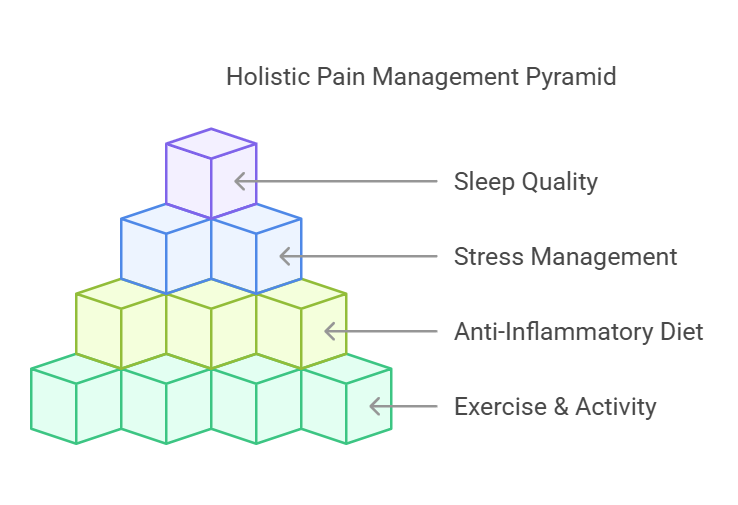
These lifestyle changes work together to create a holistic approach to pain management, improving both physical and emotional well-being.
Medical Necessity – Indications for Procedure
Lifestyle modifications are indicated for individuals with a wide range of pain conditions. These small, sustainable changes can be beneficial for many types of pain, including:
- Chronic Pain Conditions: For individuals with chronic conditions such as osteoarthritis, fibromyalgia, rheumatoid arthritis, and back pain, lifestyle modifications can provide relief and help manage symptoms.
- Neuropathic Pain: Conditions like diabetic neuropathy or sciatica often respond well to lifestyle changes, particularly through exercise, diet, and stress management techniques.
- Post-Surgical Pain: After surgery, patients often experience acute or chronic pain. Post-surgical rehabilitation, combined with lifestyle changes, can enhance recovery and reduce the need for pain medications.
- Headaches and Migraines: Diet and stress management are particularly helpful for those suffering from chronic headaches or migraines, which can be exacerbated by certain foods or high-stress levels.
- Musculoskeletal Pain: Lifestyle modifications are especially beneficial for individuals with joint pain, muscle stiffness, and postural pain, helping to alleviate discomfort and improve mobility.
These modifications are often used in conjunction with other pain management strategies, such as physical therapy or medication, but they provide a powerful complement to those treatments by addressing root causes of pain and improving overall health.
Description of Procedure
While “lifestyle modification” may sound like a vague or abstract concept, it actually involves a set of concrete, actionable changes that individuals can incorporate into their daily routines. Here’s a look at how these changes can be implemented:
- Exercise and Physical Activity:
- Start Slowly: For those who are not currently active, it’s important to start with gentle, low-impact activities such as walking, swimming, or yoga.
- Routine Building: Set a goal to be active for at least 30 minutes most days of the week. It’s better to break it up into shorter sessions if needed.
- Incorporate Flexibility and Strength Training: In addition to aerobic exercises, it’s important to include strength-building exercises and stretches to improve muscle function and joint flexibility.
- Nutrition and Anti-Inflammatory Diet:
- Incorporate Anti-Inflammatory Foods: Focus on eating foods like fatty fish (rich in omega-3 fatty acids), colorful fruits and vegetables (high in antioxidants), and whole grains.
- Limit Processed Foods: Reduce your intake of processed foods, sugars, and fried foods that can promote inflammation and worsen pain.
- Hydration: Staying hydrated is essential for overall health and can help prevent dehydration, which can worsen musculoskeletal pain.
- Stress Management and Mental Health:
- Mindfulness and Meditation: Dedicate a few minutes each day to practicing mindfulness or meditation, which can lower stress and improve emotional resilience.
- Relaxation Techniques: Techniques such as deep breathing, progressive muscle relaxation, or even guided imagery can help reduce muscle tension and alleviate pain.
- Therapy: For individuals dealing with chronic pain and mental health concerns, cognitive-behavioral therapy (CBT) can be an effective way to address the psychological aspects of pain.
- Sleep Hygiene:
- Create a Sleep-Friendly Environment: Make sure your bedroom is cool, dark, and quiet. Invest in a comfortable mattress and pillows.
- Set a Sleep Routine: Go to bed and wake up at the same time each day to regulate your body’s internal clock.
- Limit Stimulants: Avoid caffeine, alcohol, and heavy meals close to bedtime. These can interfere with sleep quality and exacerbate pain.
Post-Op Instructions and Recovery
While lifestyle modifications don’t involve surgery or invasive procedures, there are still some key recommendations for successfully integrating these changes into your life:
- Start Gradually: It’s important to make changes slowly to avoid feeling overwhelmed. Small, consistent steps toward better habits are key for long-term success.
- Track Progress: Keep a journal to track your pain levels, physical activity, food intake, stress levels, and sleep quality. This can help identify patterns and areas that need more attention.
- Seek Support: Whether through a pain management group, a nutritionist, or a physical therapist, support can help keep you motivated and provide additional guidance.
- Stay Consistent: The most effective lifestyle changes are those that become consistent habits over time. While you may not see immediate results, persistence will pay off.
Prognosis
The prognosis for individuals implementing lifestyle modifications for pain management is generally positive, especially when these changes are maintained over time. Many people experience a reduction in pain, better sleep, improved physical function, and enhanced mental well-being as a result of these changes. Here’s what you can expect:
- Improved Pain Control: By addressing underlying factors such as inflammation, muscle stiffness, and stress, lifestyle modifications can provide lasting relief for a variety of pain conditions.
- Better Mental Health: Managing stress and improving sleep quality often leads to reduced anxiety, depression, and pain perception, allowing individuals to cope better with their condition.
- Increased Quality of Life: With less pain and more energy, many individuals experience an overall improvement in quality of life, allowing them to engage in social activities, work, and hobbies they enjoy.
Ultimately, lifestyle modifications provide a comprehensive, holistic approach to pain management that can have a significant and long-lasting impact. Whether used alone or in combination with other treatments, these small changes can lead to big improvements in pain control and overall health.