
Background and Overview
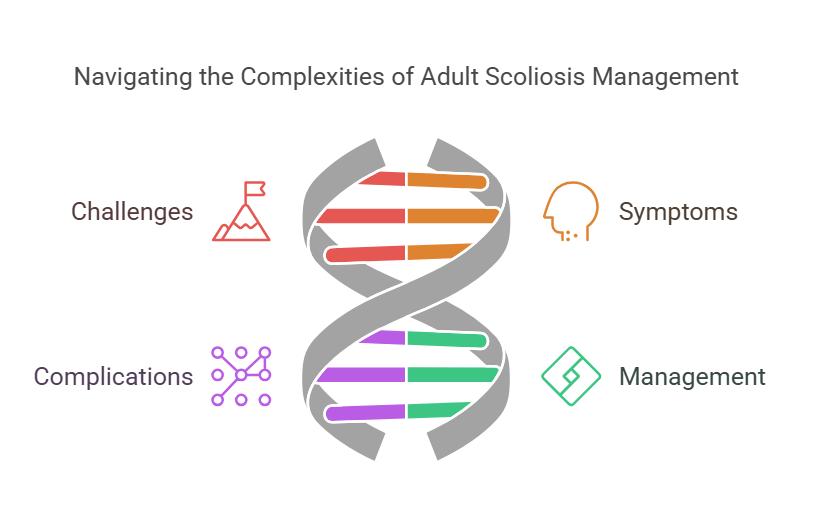
Scoliosis, a condition characterized by an abnormal lateral curvature of the spine, is often associated with adolescents. However, it can also affect adults, either as a progression of childhood scoliosis or as a new onset in later years, known as adult degenerative scoliosis. Unlike in younger individuals, adult scoliosis can present unique challenges due to factors such as aging, degenerative changes, and the impact on overall quality of life.
Adult scoliosis can range from mild cases with minimal symptoms to severe cases causing significant pain, reduced mobility, and complications like nerve compression. Understanding the condition, its causes, and how to manage it is essential for those affected.
Symptoms and Causes
Symptoms The symptoms of adult scoliosis vary widely depending on the severity of the spinal curvature and associated issues. Common symptoms include:
- Chronic Back Pain: Persistent pain in the lower back or along the spine.
- Uneven Shoulders or Hips: Visible asymmetry in posture.
- Limited Mobility: Difficulty bending, twisting, or standing for long periods.
- Numbness or Weakness: Symptoms may occur if scoliosis causes nerve compression.
- Fatigue: Muscle strain and poor posture can lead to exhaustion.
- Difficulty Breathing: In severe cases, spinal curvature can compress the lungs.
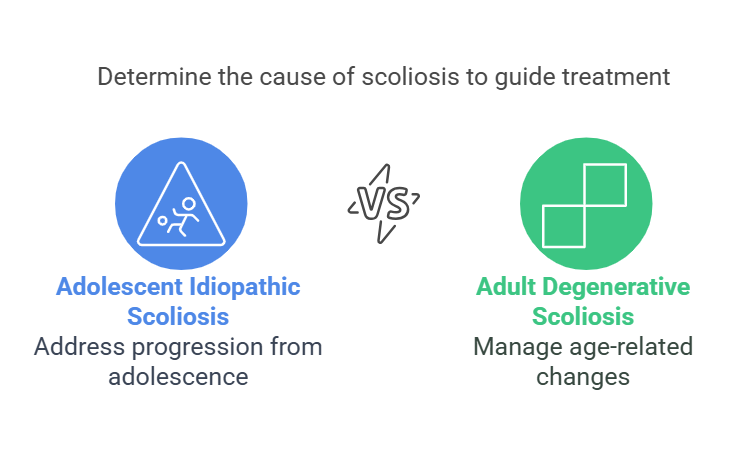
Causes The causes of scoliosis in adults can be broadly categorized into two types:
- Progression of Adolescent Idiopathic Scoliosis:
- Individuals with scoliosis during adolescence may experience progression into adulthood, especially if the condition was not treated or stabilized.
- Adult Degenerative Scoliosis:
- Age-related changes, such as disc degeneration, arthritis, or osteoporosis, can lead to the development of scoliosis later in life.
Other contributing factors include:
- Injuries or Trauma: Damage to the spine can exacerbate curvature.
- Neuromuscular Conditions: Disorders like muscular dystrophy or cerebral palsy may contribute to scoliosis.
- Genetics: A family history of scoliosis increases susceptibility.
Diagnosis and Tests
Diagnosing adult scoliosis involves a combination of physical examinations, imaging tests, and a thorough medical history. Accurate diagnosis is essential for developing an effective treatment plan.
Key Diagnostic Methods:
- Physical Examination:
- Doctors assess posture, spinal alignment, and any visible asymmetry.
- Tests may include bending forward to check for rib or spine prominence.
- Imaging Tests:
- X-rays: Provide a clear view of the spine’s curvature and its severity, measured in degrees (Cobb angle).
- MRI: Offers detailed images of soft tissues, including discs, nerves, and muscles.
- CT Scan: Provides a cross-sectional view of the spine, especially useful in complex cases.
- Neurological Evaluation:
- Assesses nerve function, reflexes, and muscle strength to determine if nerve compression is present.
Management and Treatment
Treatment for adult scoliosis focuses on relieving symptoms, improving posture and mobility, and preventing further progression of the curvature. Options range from conservative care to surgical interventions.
Non-Surgical Treatments:
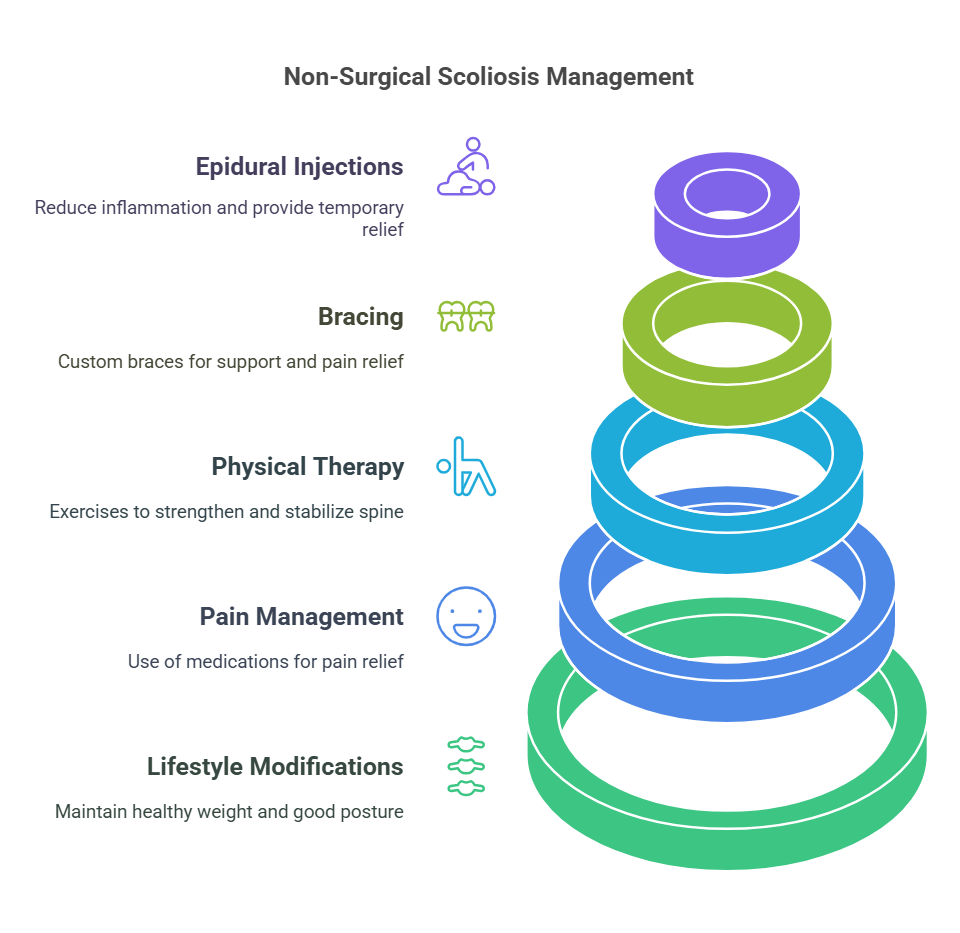
- Physical Therapy:
- Exercises to strengthen core and back muscles, improve flexibility, and stabilize the spine.
- Postural training to reduce strain on the spine.
- Pain Management:
- Over-the-counter pain relievers, such as ibuprofen or acetaminophen, for mild discomfort.
- Prescription medications, including muscle relaxants or nerve pain drugs, for severe pain.
- Bracing:
- In some cases, custom braces may help provide support and alleviate pain.
- Epidural Steroid Injections:
- Injections around the spinal nerves can reduce inflammation and provide temporary relief.
- Lifestyle Modifications:
- Maintaining a healthy weight, practicing good posture, and avoiding activities that strain the spine.
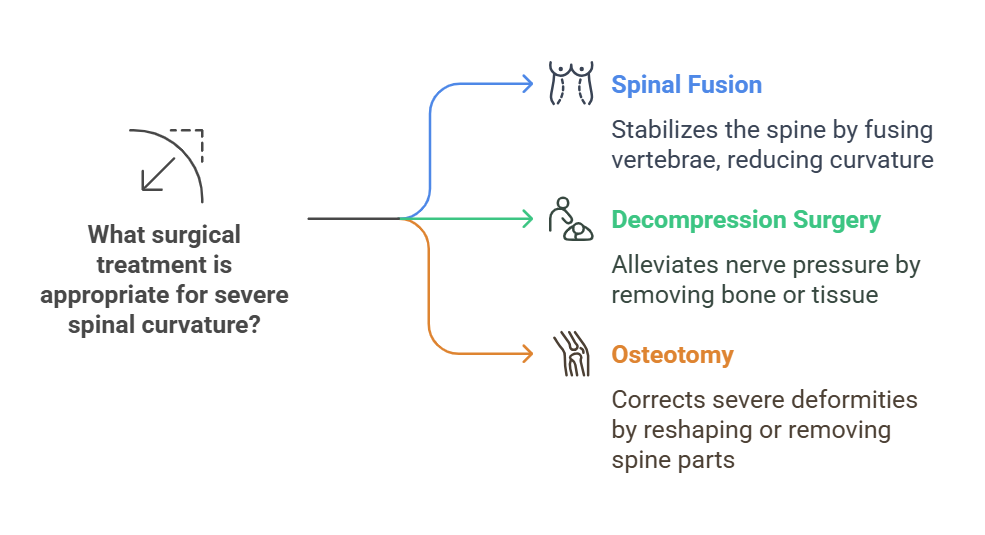
Surgical Treatments: Surgery is considered for severe cases where conservative treatments fail or when the curvature causes significant pain, nerve compression, or reduced quality of life. Options include:
- Spinal Fusion:
- Fuses two or more vertebrae together to stabilize the spine and reduce curvature.
- Decompression Surgery:
- Removes bone or tissue pressing on nerves to alleviate symptoms like numbness or weakness.
- Osteotomy:
- Reshapes or removes parts of the spine to correct severe deformities.
Prevention
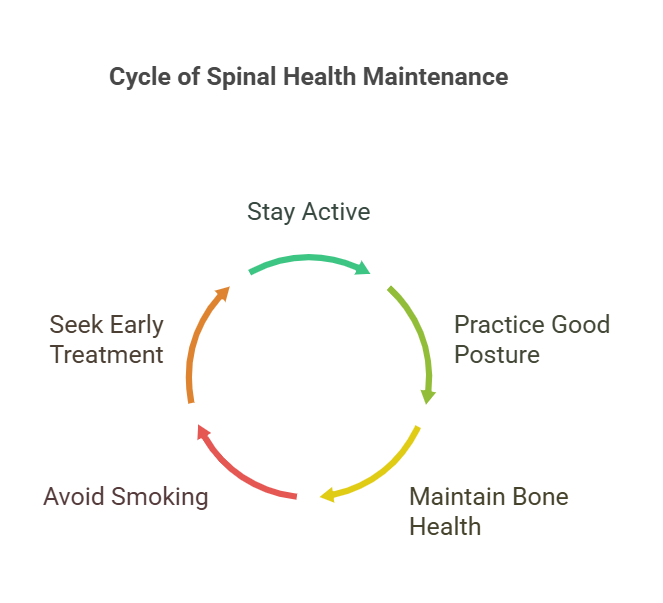
While scoliosis cannot always be prevented, adopting healthy habits and addressing risk factors can help maintain spinal health and minimize progression.
Tips for Prevention:
- Stay Active:
- Regular exercise strengthens the muscles supporting the spine and enhances flexibility.
- Practice Good Posture:
- Avoid slouching or prolonged poor alignment when sitting, standing, or working.
- Maintain Bone Health:
- Ensure adequate calcium and vitamin D intake to prevent osteoporosis, which can contribute to degenerative changes.
- Avoid Smoking:
- Smoking reduces blood flow to spinal tissues, increasing the risk of degeneration.
- Seek Early Treatment:
- Address minor spinal issues or injuries promptly to prevent long-term complications.
Outlook and Prognosis
The prognosis for adults with scoliosis depends on the severity of the condition, the effectiveness of treatment, and overall health. Many individuals can manage symptoms successfully and maintain a good quality of life with appropriate care.
- Mild to Moderate Cases: Often managed with physical therapy, lifestyle changes, and pain management.
- Severe Cases: May require surgery to correct curvature and alleviate symptoms, with most patients experiencing significant improvement.
- Chronic Pain: Rarely, some individuals may experience ongoing discomfort requiring long-term strategies.
With proper treatment and coping mechanisms, adults with scoliosis can lead active, fulfilling lives. Staying informed and proactive about spinal health is key to overcoming the challenges of this condition.
Scoliosis in adults presents unique challenges, but understanding the condition and adopting effective management strategies can make a significant difference. With the right care, individuals can navigate the complexities of scoliosis and maintain their independence and well-being.