
Background and Overview
Complex Regional Pain Syndrome (CRPS) is a chronic pain condition that typically affects a limb (arm, leg, hand, or foot), often after an injury or surgery. The pain experienced is much more intense than expected for the type of injury or trauma and may continue long after the original injury has healed. CRPS can cause lasting and debilitating discomfort, and it may also lead to a range of other physical and psychological symptoms.
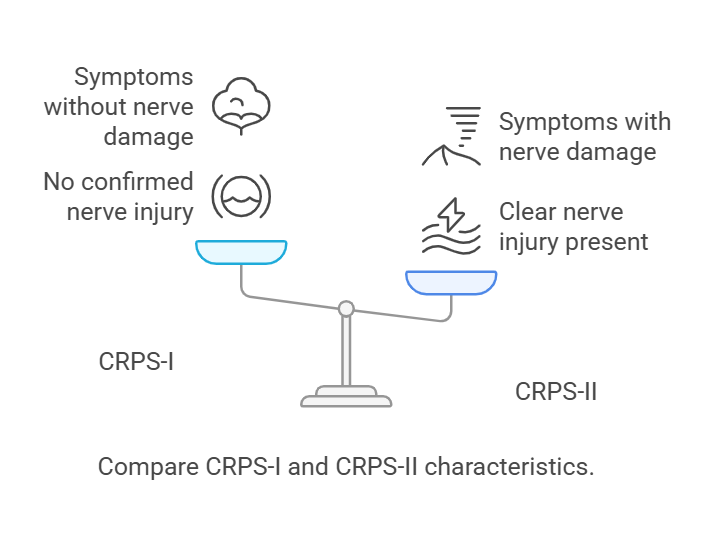
CRPS is divided into two types: CRPS-I and CRPS-II. CRPS-I, also known as Reflex Sympathetic Dystrophy (RSD), occurs without a confirmed nerve injury, whereas CRPS-II, previously known as causalgia, develops after a clear nerve injury. Despite these distinctions, both types share common features, including persistent pain, swelling, changes in skin color, temperature, and motor control issues.
While CRPS is rare, it can severely affect the quality of life for those who develop it. Its symptoms often include burning pain, skin changes, and hypersensitivity. Though the exact cause is not fully understood, CRPS is believed to be the result of abnormal responses in the nervous system, particularly the autonomic nervous system, which controls involuntary bodily functions like heart rate and blood flow.
The condition can be difficult to diagnose because there is no specific test for CRPS. Instead, diagnosis is based on symptoms and the exclusion of other potential conditions. Despite its challenges, there are treatment options available that aim to reduce symptoms and improve quality of life.
Symptoms & Causes
The hallmark symptom of CRPS is intense, often burning pain, which can spread to other areas of the limb or even to other parts of the body. But CRPS isn’t just about pain; it also involves a variety of other physical and sensory changes.
Key Symptoms of CRPS:
- Pain: The pain in CRPS is disproportionate to the original injury. It can be constant or intermittent, and the severity can range from a dull ache to a sharp, burning sensation. The pain may worsen with movement, touch, or even slight pressure.
- Swelling and Inflammation: The affected limb often appears swollen, and the skin may feel warmer or colder than usual. This swelling is due to abnormal blood flow caused by dysfunction in the autonomic nervous system.
- Skin Changes: The skin over the affected area may change color, becoming red, pale, or even blue. It may also become shiny or have a leathery appearance.
- Temperature Changes: The limb may feel either unusually hot or cold to the touch. This is due to abnormal blood flow regulation.
- Sensitivity: The affected area may become hypersensitive, with even light touch or mild pressure causing intense pain. This is known as allodynia.
- Movement Difficulties: The muscles around the affected area may weaken or become stiff. People with CRPS may find it difficult to move the affected limb or may experience tremors or spasms.
- Hair and Nail Changes: In some cases, changes in hair growth or nail appearance may occur, with hair becoming thinner or nails growing abnormally.
- Sweating Abnormalities: The affected area may sweat excessively or have decreased sweating.

Causes of CRPS:
The exact cause of CRPS is still unknown, but it is thought to arise from a combination of factors that affect the nervous system, particularly the sympathetic nervous system, which controls involuntary functions such as blood flow, heart rate, and body temperature. Some potential causes and contributing factors include:
- Injury or Trauma: CRPS typically develops after an injury, such as a sprain, fracture, surgery, or even a minor wound. In some cases, the injury may be relatively mild, yet the pain becomes disproportionate and long-lasting. This suggests that the nervous system has become sensitized to the injury, causing an exaggerated response.
- Nerve Damage: In CRPS-II, a known nerve injury, such as a nerve that is severed or damaged during surgery, can trigger the condition. The damaged nerves may send abnormal signals to the brain, leading to persistent pain and abnormal changes in the affected limb.
- Immune System Dysfunction: It is believed that CRPS may involve an overactive immune response, leading to inflammation and nerve damage. In some cases, this immune response may be triggered by an injury or infection.
- Abnormal Sympathetic Nervous System Response: The sympathetic nervous system plays a major role in CRPS, controlling blood flow, temperature, and other involuntary functions. When the sympathetic nervous system malfunctions, it may lead to the changes in temperature, swelling, and skin color seen in CRPS.
- Genetics: Some studies suggest that genetic factors may play a role in who develops CRPS. Individuals with a family history of CRPS or other chronic pain conditions may be at higher risk.

Diagnosis & Tests
Diagnosing CRPS can be challenging because its symptoms overlap with other conditions, and there is no definitive test for CRPS. The diagnosis is primarily based on clinical evaluation, a detailed medical history, and the exclusion of other potential causes of the symptoms.
Steps in Diagnosis:
- Medical History: The doctor will begin by asking about the patient’s symptoms, any recent injuries or surgeries, and the progression of pain. A detailed medical history is crucial for identifying any trauma that may have triggered the condition.
- Physical Examination: The doctor will assess the affected area for signs such as swelling, skin changes, temperature abnormalities, and hypersensitivity. They will also test the range of motion and strength of the affected limb.
- Exclusion of Other Conditions: Because CRPS shares symptoms with other conditions, such as infections, arthritis, and nerve disorders, the doctor may perform tests to rule out these possibilities. This can include blood tests, X-rays, MRIs, or nerve conduction studies.
- Diagnostic Criteria: While there is no specific test for CRPS, the Budapest Criteria are often used by doctors to make a diagnosis. These criteria include the presence of certain sensory, motor, and autonomic symptoms, as well as the duration and spread of pain.
Management & Treatment
While there is no cure for CRPS, early diagnosis and appropriate treatment can help manage symptoms and improve quality of life. Treatment typically involves a multidisciplinary approach, combining medical interventions with physical therapy and psychological support.
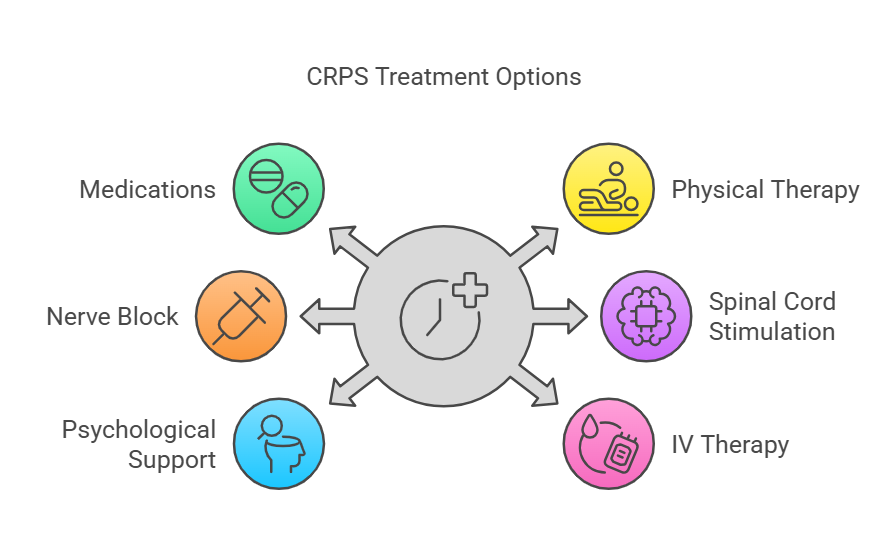
Treatment Options for CRPS:
- Medications:
- Pain Relievers: Over-the-counter pain medications such as ibuprofen or acetaminophen may be used to relieve mild pain. For more severe pain, prescription medications such as opioids or anticonvulsants (gabapentin or pregabalin) may be prescribed.
- Topical Treatments: Creams or patches containing lidocaine or capsaicin can help relieve localized pain.
- Antidepressants and Anticonvulsants: These medications can help manage neuropathic pain (pain caused by nerve damage) and alleviate symptoms of depression or anxiety that often accompany CRPS.
- Physical Therapy: Physical therapy is crucial for improving movement, strength, and function in the affected limb. A therapist will guide the patient through gentle exercises to improve range of motion and prevent muscle atrophy. Gradual, controlled movement is essential to avoid further pain and injury.
- Sympathetic Nerve Block: A sympathetic nerve block involves injecting an anesthetic near the sympathetic nerves in the affected limb. This can temporarily relieve pain and help reset the abnormal nerve responses. This treatment is often used when other options have not been effective.
- Spinal Cord Stimulation: Spinal cord stimulation (SCS) involves implanting a device that delivers electrical impulses to the spinal cord, which can help reduce pain signals. SCS is typically considered when other treatments have not provided sufficient relief.
- Psychological Support: Chronic pain conditions like CRPS can take a toll on mental health. Cognitive behavioral therapy (CBT) and other forms of psychological counseling can help patients manage the emotional and psychological aspects of living with CRPS. Stress management techniques, relaxation exercises, and mindfulness can also be helpful.
- Intravenous (IV) Therapy: In some cases, intravenous infusions of certain medications, such as bisphosphonates (used for bone pain) or ketamine (a powerful anesthetic), may be used to provide relief from severe pain.
Prevention
Because the exact cause of CRPS is still unknown, it is difficult to prevent it. However, there are steps you can take to reduce the risk of developing CRPS, particularly after an injury or surgery:
- Timely treatment of injuries: Prompt medical care after an injury, including proper rehabilitation, can help reduce the risk of CRPS.
- Managing chronic conditions: Proper management of conditions such as diabetes or autoimmune diseases can reduce the likelihood of developing CRPS.
- Preventing excessive immobilization: Keeping the affected limb as mobile as possible during the healing process can reduce the risk of CRPS developing.
Outlook/Prognosis
The outlook for individuals with CRPS varies depending on the severity of the condition, the response to treatment, and how early the condition is diagnosed. Some people experience significant improvement or even remission of symptoms, while others may continue to struggle with chronic pain and disability. Early intervention and a comprehensive treatment plan can greatly improve outcomes.
In conclusion, Complex Regional Pain Syndrome is a challenging condition that can have a profound impact on a person’s quality of life. While the causes are not fully understood, treatment options are available to help manage symptoms and improve function. Early diagnosis and a multidisciplinary approach to treatment can make a significant difference in managing this condition. If you suspect you have CRPS, it is important to seek medical attention to begin the journey toward relief and recovery.