
Electrotherapy: Stimulating Relief for Muscle and Joint Pain
Background
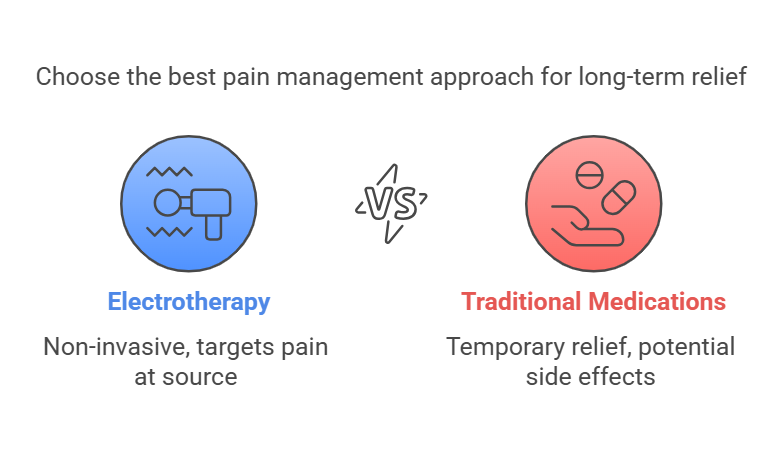
Muscle and joint pain can be an overwhelming part of life, whether caused by everyday activities, injuries, or chronic conditions. When the pain becomes chronic or persistent, it can significantly impact quality of life. While medications like painkillers and anti-inflammatory drugs offer temporary relief, many individuals are turning to alternative treatments. One such option is electrotherapy, a non-invasive treatment that uses electrical currents to help manage pain, improve circulation, and promote healing.
Electrotherapy has been used for decades to treat a wide variety of conditions, ranging from acute injuries to long-term chronic pain disorders. Over time, it has gained popularity due to its ability to target pain at its source and provide relief without relying on medications or invasive procedures. In this article, we’ll delve into the science behind electrotherapy, examine its mechanisms for pain relief, explore the research supporting its benefits, and discuss its medical indications, procedure, recovery, and long-term prognosis.
Research
Electrotherapy’s efficacy in pain relief is well-documented, with numerous studies supporting its benefits. Let’s take a look at a few influential studies that showcase its effectiveness.
- A Study on TENS for Chronic Pain Management
One of the most common forms of electrotherapy is Transcutaneous Electrical Nerve Stimulation (TENS). A study conducted by the Journal of Pain Research (2018) reviewed the effectiveness of TENS in patients suffering from chronic pain conditions, such as osteoarthritis and back pain. The results showed that TENS provided a significant reduction in pain intensity. Participants who received TENS therapy reported feeling less pain, which allowed them to participate more fully in daily activities and improve their overall quality of life.
- Interferential Current Therapy in Treating Musculoskeletal Pain
Another study published in the American Journal of Physical Medicine and Rehabilitation (2019) investigated the effects of Interferential Current Therapy (IFC) on musculoskeletal pain, particularly in patients with conditions like fibromyalgia and joint arthritis. IFC uses two medium-frequency electrical currents that intersect at the site of pain, delivering deeper stimulation to affected areas. The study found that patients who underwent IFC treatment experienced substantial pain reduction and greater muscle flexibility compared to those who did not receive the therapy.
- The Effectiveness of Electrical Stimulation in Post-Surgical Rehabilitation
In a study by The Journal of Orthopedic Research (2020), researchers explored the use of electrical stimulation to aid in post-surgical rehabilitation, specifically after knee and shoulder surgeries. The results showed that patients who received electrical stimulation therapy as part of their rehabilitation program had faster recovery times, improved range of motion, and reduced levels of pain compared to those who only received traditional rehabilitation methods. This study highlights electrotherapy’s potential to enhance healing after surgical procedures and promote faster recovery.
These studies, along with others, continue to reinforce the value of electrotherapy as a treatment for managing muscle and joint pain. As the research grows, more patients are turning to electrotherapy for relief, especially when traditional pain management techniques aren’t providing the desired results.
Mechanism of Action for Pain Relief
So, how exactly does electrotherapy work to alleviate pain? The key lies in the way electrical currents interact with the body’s nervous system and muscle tissue.
Electrotherapy works by delivering small electrical impulses through the skin to nerve fibers or muscle tissue. These electrical impulses help disrupt pain signals traveling to the brain, essentially blocking the sensation of pain. Additionally, these impulses can stimulate the production of endorphins, the body’s natural painkillers, which help create a feeling of relief.
There are several mechanisms by which electrotherapy helps reduce pain:
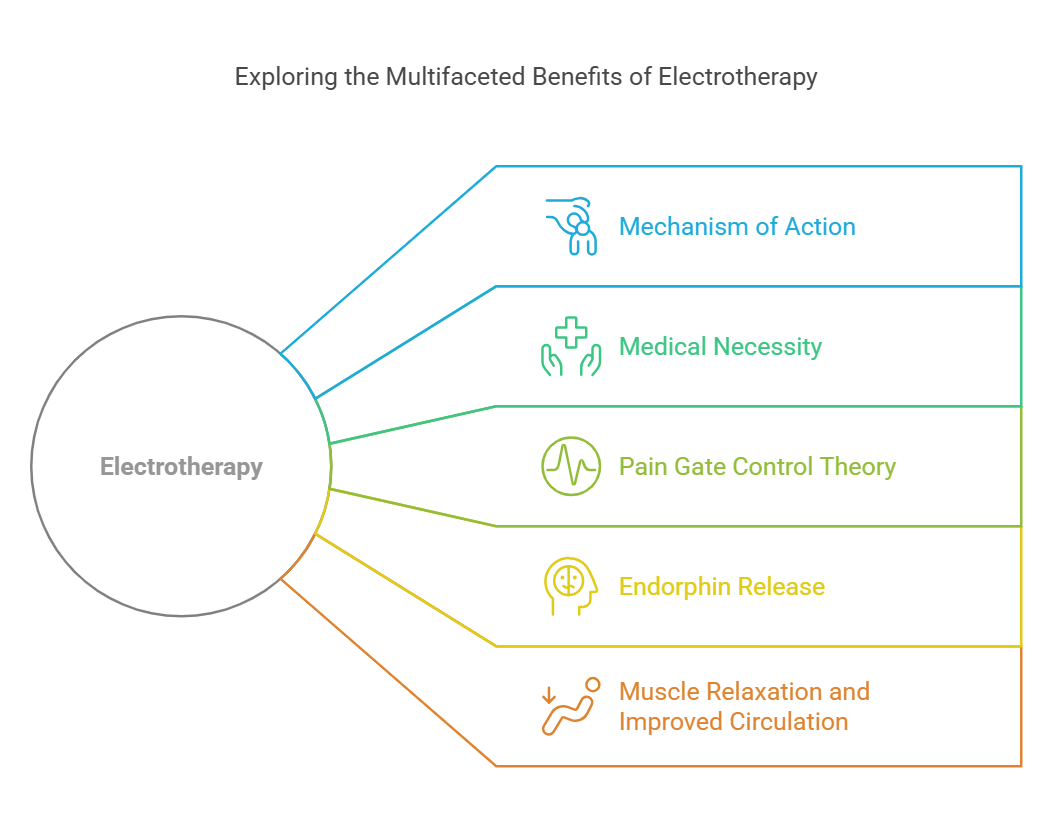
- Pain Gate Control Theory: This theory suggests that electrical stimulation can “close the gate” to pain signals in the nervous system. When electrical currents are applied, they stimulate sensory nerve fibers, which “interfere” with the transmission of pain signals to the brain.
- Endorphin Release: Electrical impulses can also stimulate the release of endorphins, which are natural chemicals in the brain that help relieve pain and promote feelings of well-being.
- Muscle Relaxation and Improved Circulation: Electrotherapy can help relax muscles by promoting better blood flow, reducing muscle spasms, and alleviating tightness. This is especially beneficial for individuals with conditions like arthritis or muscle strains.
Medical Necessity – Indications for Procedure
Electrotherapy is often recommended by healthcare professionals for patients experiencing pain due to a variety of medical conditions. Some of the most common indications for electrotherapy treatment include:
- Chronic Pain Conditions: Conditions like osteoarthritis, rheumatoid arthritis, fibromyalgia, and chronic back pain can be alleviated using electrotherapy. These long-term conditions often cause persistent pain that can be managed with ongoing electrotherapy treatments.
- Muscle Strains and Sprains: Electrotherapy can be used to treat acute injuries like muscle strains and ligament sprains, providing faster recovery and reducing pain during the healing process.
- Post-Surgical Rehabilitation: After surgeries such as knee replacements or rotator cuff repairs, electrotherapy can help promote healing, reduce swelling, and relieve post-surgical pain.
- Sports Injuries: Athletes often use electrotherapy for muscle recovery and pain relief after sports-related injuries like tendonitis, muscle tears, and joint sprains.
- Neuropathy: Electrotherapy has been shown to be effective in reducing pain from neuropathic conditions, like diabetic neuropathy or sciatic nerve pain.
It is essential for patients to consult with a healthcare provider before starting electrotherapy, as certain conditions, such as heart problems or active infections, may require adjustments to treatment plans.
Description of Procedure
The procedure for electrotherapy is non-invasive and straightforward. It typically begins with an assessment by a healthcare professional, who will evaluate the patient’s medical history, symptoms, and the area of pain. Based on this assessment, a specific type of electrotherapy treatment will be chosen.
Here’s an overview of what a typical session might look like:
- Preparation: The area of treatment is cleaned to ensure that the electrodes can make good contact with the skin. Depending on the type of electrotherapy, gel or adhesive pads may be applied to help with electrode placement.
- Electrode Placement: Electrodes are placed on the skin over or around the painful area. These electrodes are connected to a device that generates the electrical impulses.
- Setting the Parameters: The healthcare provider will adjust the settings on the electrotherapy device to determine the frequency, intensity, and duration of the electrical impulses. The patient will be asked to provide feedback to ensure comfort throughout the procedure.
- The Treatment: The electrical impulses are delivered for a set duration, usually 20 to 30 minutes. Patients may feel a tingling or mild sensation during treatment, but it should not be painful.
- Post-Treatment: After the session, the electrodes are removed, and the skin is cleaned again. Some patients may experience immediate relief, while others may require multiple sessions to see full benefits.
Sessions are typically scheduled several times a week, depending on the severity of the condition. Some patients find that regular sessions are helpful in maintaining pain relief.
Post-Op Instructions and Recovery
Though electrotherapy is non-invasive, it’s still important for patients to follow specific post-treatment instructions to optimize recovery and ensure safety.
- Hydration: Staying hydrated after a session can help flush out any toxins released during the treatment and support healing.
- Rest: For the first 24 hours after treatment, it’s a good idea to rest the treated area and avoid any strenuous physical activities.
- Pain Management: Some mild soreness is common after electrotherapy, but this should subside within 24 to 48 hours. If the pain persists or worsens, it’s important to contact your healthcare provider.
- Follow-Up Appointments: Depending on the condition being treated, additional sessions may be necessary. Your healthcare provider will advise you on how frequently you should return for treatment.
- Physical Activity: After recovery, gentle stretches and physical therapy may be recommended to help maintain mobility and prevent re-injury.
Prognosis
The prognosis for patients undergoing electrotherapy can vary depending on the severity of the condition being treated, the patient’s overall health, and the consistency of treatment. For many patients, electrotherapy offers substantial pain relief and aids in the recovery process, allowing them to return to normal daily activities and improve their quality of life.
Patients with chronic conditions, like arthritis, may require ongoing electrotherapy sessions to manage their symptoms effectively. However, with regular use, many individuals experience a reduction in pain levels and an improvement in mobility. For those recovering from surgery or acute injuries, electrotherapy can significantly shorten recovery times and reduce the need for medications.
Ultimately, electrotherapy is a safe, effective treatment for many people dealing with muscle and joint pain. While it may not be a cure for all conditions, it offers a valuable option for pain management and healing, making it an essential tool in modern pain management strategies.