
Cryotherapy: Harnessing the Power of Cold for Healing
1. Background
Cryotherapy, which means “cold therapy,” is a treatment method that exposes the body to extremely low temperatures to promote healing and reduce pain. Used for centuries in various forms—such as ice baths and cold compresses—modern cryotherapy has evolved into localized treatments and whole-body cryotherapy (WBC). These treatments have gained popularity among athletes, chronic pain sufferers, and those looking to improve overall wellness.
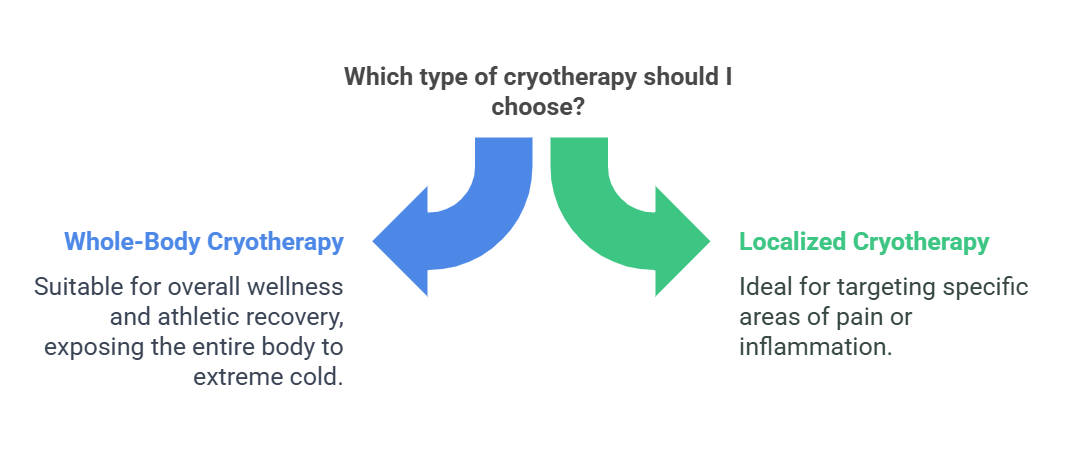
Whole-body cryotherapy involves stepping into a chamber cooled with liquid nitrogen or refrigerated cold air, exposing the body to temperatures as low as -200°F (-129°C) for two to three minutes. Localized cryotherapy, on the other hand, targets specific areas of inflammation, injury, or pain.
2. Research
Several studies highlight the benefits of cryotherapy for recovery and pain relief:
- **Study 1: Cryotherapy for Muscle Recovery
**A study published in the Journal of Sports Medicine found that whole-body cryotherapy reduced muscle soreness and improved recovery time in athletes after intense exercise. - **Study 2: Cryotherapy and Arthritis Pain
**Research in the Journal of Aging Research & Clinical Practice showed that patients with rheumatoid arthritis experienced reduced inflammation and pain after regular cryotherapy sessions. - **Study 3: Cryotherapy for Chronic Pain Management
**A clinical trial in Pain & Therapy demonstrated that localized cryotherapy significantly alleviated chronic pain symptoms, making it a viable alternative to opioid-based treatments.
3. Mechanism of Action for Pain Relief
Cryotherapy provides pain relief and healing through several physiological mechanisms:
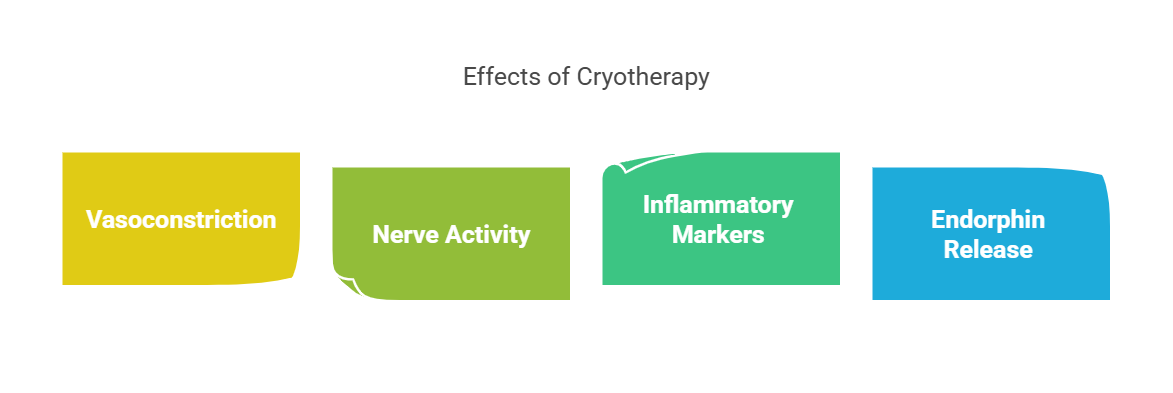
- Vasoconstriction and Vasodilation: The rapid cooling causes blood vessels to constrict (vasoconstriction), reducing inflammation. Once the body warms up, blood flow increases (vasodilation), delivering oxygen and nutrients to promote healing.
- Reduced Nerve Activity: Extreme cold slows nerve conduction, which helps decrease pain sensitivity and numbs affected areas.
- Decrease in Inflammatory Markers: Cryotherapy has been shown to lower inflammatory cytokines, reducing swelling and discomfort.
- Endorphin Release: Exposure to extreme cold stimulates endorphin production, the body’s natural painkillers, which enhance mood and reduce pain perception.
4. Medical Necessity – Indications for Procedure
Cryotherapy is beneficial for individuals dealing with:
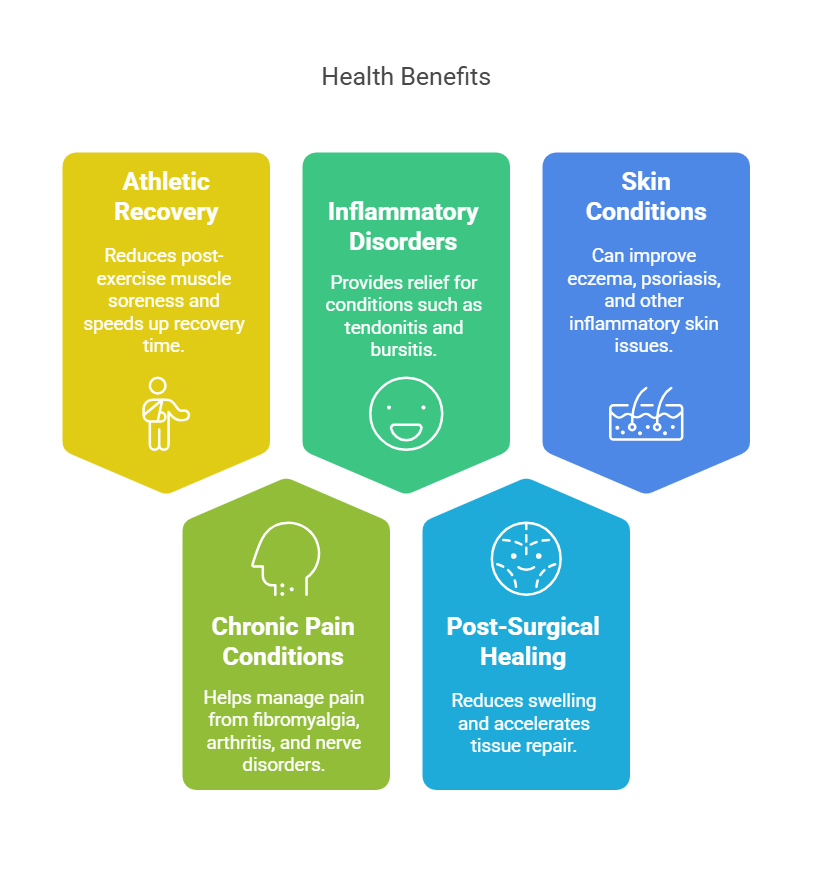
- Athletic Recovery: Reduces post-exercise muscle soreness and speeds up recovery time.
- Chronic Pain Conditions: Helps manage pain from fibromyalgia, arthritis, and nerve disorders.
- Inflammatory Disorders: Provides relief for conditions such as tendonitis and bursitis.
- Post-Surgical Healing: Reduces swelling and accelerates tissue repair.
- Skin Conditions: Can improve eczema, psoriasis, and other inflammatory skin issues.
5. Description of Procedure
Cryotherapy treatments are straightforward and quick:
- Consultation: A healthcare professional assesses medical history and determines whether cryotherapy is appropriate.
- Preparation: The patient wears minimal clothing, with gloves, socks, and a headband to protect extremities.
- Exposure to Cold:
- Whole-Body Cryotherapy: The patient steps into a chamber filled with cold nitrogen vapor or refrigerated air for 2-3 minutes.
- Localized Cryotherapy: A device applies cold air to the affected area for 5-10 minutes.
- Post-Treatment: Patients can resume normal activities immediately after treatment.
6. Post-Treatment Care and Recovery
Following cryotherapy, patients should:
- Hydrate Well: Drinking water helps flush out toxins released during treatment.
- Gradual Warm-Up: Avoid exposing the body to extreme heat immediately after cryotherapy.
- Monitor for Side Effects: Mild redness, tingling, or numbness is common but usually subsides quickly.
- Follow-Up Treatments: Some conditions may require multiple sessions for optimal benefits.
7. Prognosis
The effectiveness of cryotherapy varies, but many patients report significant improvement in pain relief, inflammation reduction, and muscle recovery. The long-term benefits depend on factors such as:
- Consistency of Treatment: Regular sessions can provide cumulative benefits.
- Underlying Condition: Individuals with chronic conditions may experience long-term pain relief and improved mobility.
- Overall Health and Lifestyle: Combining cryotherapy with proper diet, hydration, and exercise enhances results.
Conclusion
Cryotherapy is a promising, non-invasive treatment that leverages the power of extreme cold to reduce pain, promote healing, and enhance recovery. Whether used for athletic performance, chronic pain management, or general wellness, cryotherapy continues to gain recognition as an effective tool for natural healing. If you are experiencing pain or inflammation, consulting a healthcare provider about cryotherapy might be the key to relief and recovery.