
Massage Therapy: Relaxing the Path to Recovery
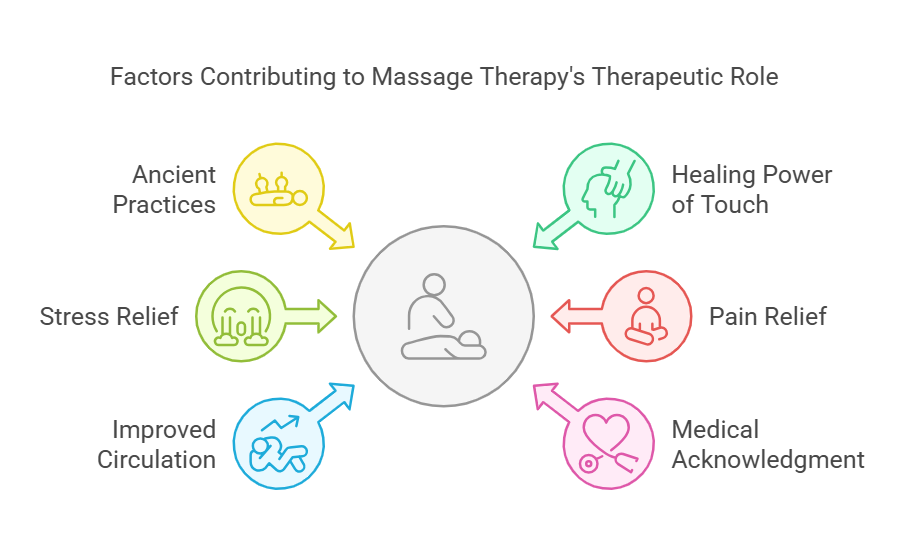
Massage therapy has been practiced for thousands of years, tracing its roots back to ancient civilizations like Egypt, China, and India. These cultures recognized the healing power of touch, using massage to relieve pain, improve circulation, and promote overall well-being.
In today’s fast-paced world, stress and physical discomfort are common, leading many to seek massage therapy not just for relaxation but also as a tool for recovery from injuries and chronic conditions. The medical community has increasingly acknowledged massage as more than just a luxury—it is now considered a legitimate therapeutic intervention for pain relief and rehabilitation.
Research
Several scientific studies have reinforced the effectiveness of massage therapy in promoting recovery and alleviating pain. Here are three notable studies:
- Study 1: Massage for Chronic Pain Relief A study published in the Journal of Pain found that regular massage therapy significantly reduced chronic lower back pain in patients compared to a control group receiving standard medical care. Patients reported increased mobility and a reduction in pain intensity over 10 weeks.
- Study 2: Massage and Muscle Recovery Research from Science Translational Medicine discovered that massage therapy helps reduce inflammation and promotes muscle repair at the cellular level. The study showed that massage activates mitochondrial function in muscle cells, accelerating recovery after intense physical activity.
- Study 3: Massage for Anxiety and Stress Reduction A study from the International Journal of Neuroscience demonstrated that massage therapy can decrease cortisol levels (the stress hormone) and increase serotonin and dopamine, which are associated with feelings of relaxation and happiness.
These studies highlight that massage is more than just a feel-good practice—it has measurable benefits for pain relief, muscle recovery, and stress reduction.
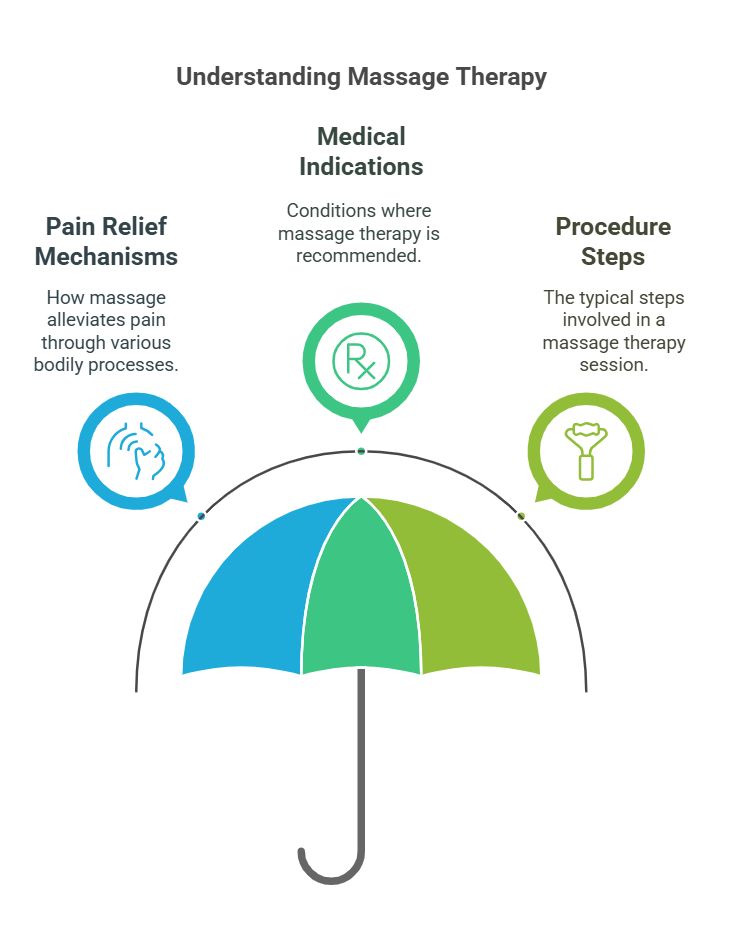
3. Mechanism of Action for Pain Relief
Massage therapy works through several mechanisms to provide pain relief:
- Increased Blood Circulation: Massage improves blood flow to injured tissues, delivering oxygen and nutrients that help speed up healing.
- Muscle Relaxation: By reducing muscle tension, massage helps relieve pressure on nerves and joints, reducing pain and stiffness.
- Endorphin Release: Massage triggers the release of endorphins, the body’s natural painkillers, which enhance mood and promote relaxation.
- Reduced Inflammation: By stimulating the lymphatic system, massage helps remove toxins and reduce inflammation, further aiding in pain management.
4. Medical Necessity – Indications for Procedure
Massage therapy is often recommended for various medical conditions, including:
- Chronic Pain Conditions: Lower back pain, fibromyalgia, arthritis, and migraines
- Injury Recovery: Sports injuries, sprains, and post-surgical rehabilitation
- Neurological Disorders: Stroke recovery, multiple sclerosis, and nerve pain
- Mental Health Conditions: Anxiety, depression, and stress-related disorders
Doctors may prescribe massage therapy as part of a comprehensive treatment plan, alongside physical therapy, medication, or lifestyle changes.
5. Description of Procedure
A typical massage therapy session involves the following steps:
- Initial Consultation: The therapist will discuss your health history, areas of discomfort, and goals for the session.
- Preparation: You will be asked to lie down on a massage table, covered with a sheet or towel for privacy and comfort.
- Massage Techniques: The therapist will use different techniques based on your needs, including:
- Swedish Massage: Gentle strokes to promote relaxation
- Deep Tissue Massage: Firm pressure to relieve muscle knots and tension
- Trigger Point Therapy: Focused pressure on tight muscle areas
- Sports Massage: Designed for athletes to prevent and treat injuries
- Post-Massage Recommendations: The therapist may provide stretching exercises or hydration advice to enhance recovery.
6. Post-Session Care and Recovery
To maximize the benefits of massage therapy, follow these post-session recommendations:
- Stay Hydrated: Drinking water helps flush out toxins released during the massage.
- Rest and Relax: Allow your body time to recover, avoiding strenuous activity immediately after the session.
- Apply Heat or Cold Therapy: Depending on your condition, your therapist may suggest using a heating pad or ice packs to enhance recovery.
- Stretch and Move Gently: Light stretching can help maintain flexibility and prevent stiffness.
- Listen to Your Body: If you feel sore, it’s normal; this should subside within 24-48 hours. However, if pain persists, consult your therapist or doctor.
7. Prognosis
Massage therapy offers both immediate and long-term benefits for recovery. Many patients experience relief after a single session, while others may require multiple treatments for chronic conditions.
- Short-term Benefits: Reduced muscle tension, improved relaxation, and decreased stress levels.
- Long-term Benefits: Enhanced flexibility, better pain management, and overall improved quality of life.
For individuals with chronic pain or injuries, incorporating massage therapy into their wellness routine can lead to sustained improvements in physical and mental well-being.
Conclusion
Massage therapy is more than a luxury—it is a powerful tool for healing and recovery. Whether you are dealing with chronic pain, recovering from an injury, or simply looking to reduce stress, massage therapy can offer significant health benefits. With growing scientific support and integration into medical care, it has become a trusted practice for promoting relaxation and well-being.
If you haven’t tried massage therapy yet, now might be the perfect time to explore its benefits and take a step toward a healthier, pain-free life.