
Background and Overview
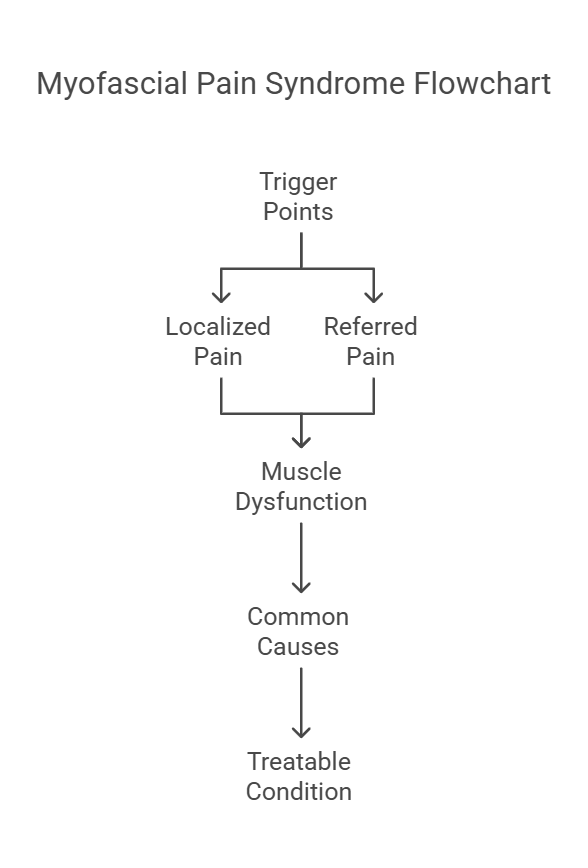
Myofascial Pain Syndrome (MPS) is a condition characterized by chronic pain in the muscles and surrounding connective tissue (fascia). The condition typically manifests as areas of tenderness or “trigger points” within the muscle, which can cause localized pain or refer pain to other parts of the body. MPS is considered one of the most common causes of musculoskeletal pain and affects a significant portion of the population.
Unlike other forms of musculoskeletal pain, MPS is often related to a specific type of muscle dysfunction known as “myofascial trigger points.” These trigger points are hyperirritable spots within a muscle or fascia that, when compressed, elicit pain or discomfort. The pain caused by these trigger points can be localized or radiate to other areas of the body, often making it difficult to pinpoint the source of the discomfort.
MPS can affect people of all ages and backgrounds, and it is commonly seen in individuals who have a history of muscle strain, poor posture, repetitive movements, or high levels of stress. While the pain associated with MPS can be debilitating, the condition is generally treatable with a combination of therapies and lifestyle adjustments.
Symptoms & Causes
Symptoms of Myofascial Pain Syndrome
The symptoms of Myofascial Pain Syndrome primarily involve muscle pain and the presence of trigger points. These symptoms can vary from person to person, but common characteristics include:
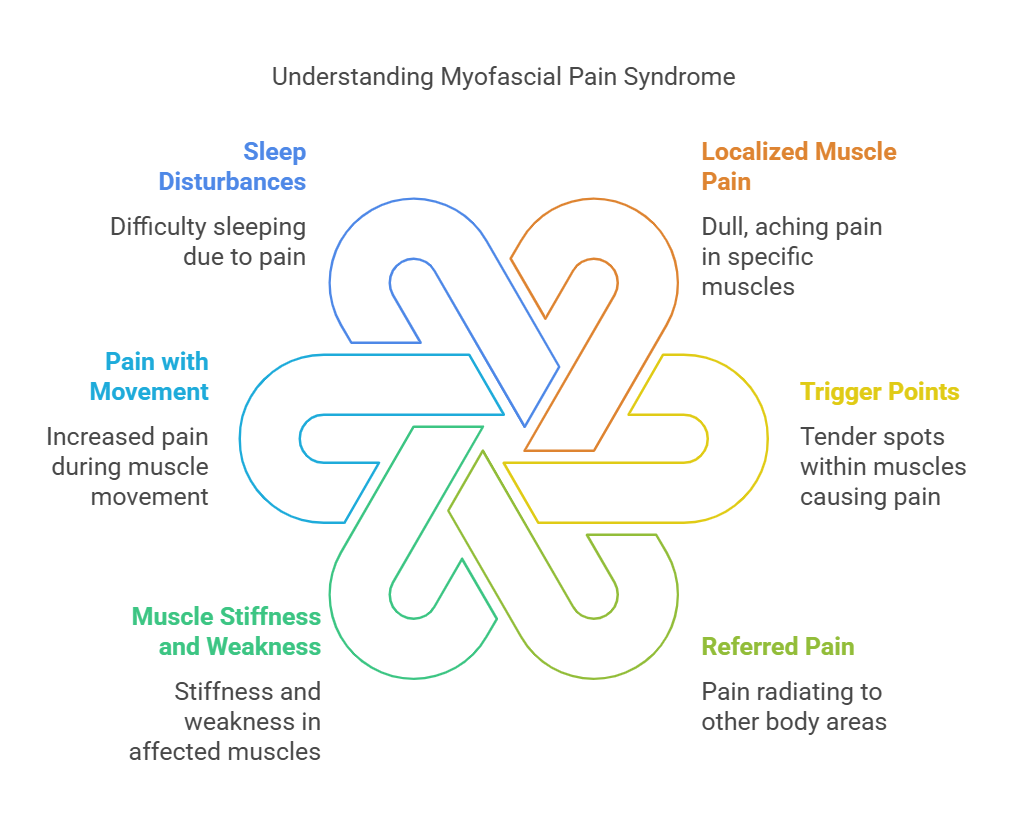
- Localized Muscle Pain: The most common symptom of MPS is a dull, aching pain that can occur in specific muscles. The pain is typically concentrated in one area, but it can radiate to other parts of the body. For example, a trigger point in the shoulder muscle can refer pain to the neck or arm.
- Trigger Points: A trigger point is a tender spot within a muscle that can cause pain when touched or compressed. These points are often described as “knots” in the muscle, and they can be felt as firm, tight bands or lumps.
- Referred Pain: One of the hallmark features of MPS is referred pain, which occurs when pain from a trigger point radiates to other areas of the body. For instance, a trigger point in the upper back may cause pain in the arm or jaw.
- Muscle Stiffness and Weakness: The affected muscles may feel stiff or weak, making it difficult to move or perform regular tasks. This muscle weakness can exacerbate the pain and lead to further discomfort.
- Pain with Movement: Movement of the affected muscle often intensifies the pain. Certain activities, such as lifting, stretching, or even sitting in one position for a prolonged period, can aggravate the pain.
- Sleep Disturbances: Chronic pain from MPS can interfere with sleep. Individuals may have trouble falling or staying asleep due to the discomfort caused by trigger points.
- Fatigue: Chronic pain and muscle tension can lead to overall fatigue, making it difficult for individuals to maintain their usual daily activities.
- Headaches: Myofascial Pain Syndrome can also lead to tension headaches, which are often associated with trigger points in the neck, upper back, and shoulders.
Causes of Myofascial Pain Syndrome
The exact cause of Myofascial Pain Syndrome is not fully understood, but several factors are believed to contribute to the development of the condition. These include:
- Muscle Overuse: Repeated use of certain muscles or prolonged muscle strain can result in the development of trigger points. This is common in individuals who perform repetitive activities, such as typing, lifting, or exercising.
- Poor Posture: Maintaining poor posture for extended periods, such as slouching or sitting improperly, can place strain on specific muscles and lead to the formation of trigger points.
- Stress and Tension: Emotional or psychological stress can lead to muscle tightness, particularly in areas like the neck, shoulders, and back. Stress-induced muscle tension is a common trigger for MPS.
- Injury or Trauma: Acute injuries, such as strains, sprains, or accidents, can damage muscle fibers and contribute to the formation of trigger points. These injuries may also cause muscles to tighten in response to the trauma.
- Chronic Conditions: Conditions like fibromyalgia, osteoarthritis, or rheumatoid arthritis can increase the risk of developing MPS. These conditions often cause muscle tension and pain, which may lead to the formation of trigger points.
- Sedentary Lifestyle: Lack of physical activity or prolonged periods of inactivity can lead to muscle weakness and tightness. This can make muscles more prone to developing trigger points.
- Nutritional Deficiencies: Certain nutritional deficiencies, particularly those involving vitamins D and B12, can contribute to muscle pain and dysfunction, potentially leading to MPS.
- Sleep Disruptions: Poor sleep quality or sleeping in an awkward position can cause muscle stiffness and trigger point formation, especially in the neck and back muscles.
Diagnosis & Tests
Diagnosing Myofascial Pain Syndrome typically involves a thorough medical history, physical examination, and the identification of trigger points. Since MPS is largely a clinical diagnosis, no specific lab tests or imaging procedures are required. However, a combination of tests and assessments can help rule out other conditions with similar symptoms.
Medical History and Physical Examination
The first step in diagnosing MPS is a detailed medical history. The healthcare provider will ask about the patient’s symptoms, including the location of the pain, the duration of symptoms, and any potential triggers. The healthcare provider will also inquire about the patient’s lifestyle, work habits, and medical history to identify possible contributing factors.
A physical examination is the next step in the diagnostic process. During the exam, the doctor will palpate the muscles to identify tender areas or trigger points. Trigger points are typically characterized by localized tenderness, taut muscle bands, and the reproduction of pain when pressure is applied.
Trigger Point Identification
The primary method for diagnosing MPS is identifying trigger points in the affected muscles. Trigger points are classified into two types:
- Active Trigger Points: These points are painful at rest and can refer pain to other areas of the body.
- Latent Trigger Points: These points do not cause pain at rest, but they can become painful when pressure is applied or during certain activities.
The healthcare provider may use techniques such as muscle palpation, stretching, or range-of-motion tests to identify the presence of trigger points. Reproducing the pain associated with these points helps confirm the diagnosis of MPS.
Imaging and Lab Tests
While imaging tests such as X-rays, MRI, or CT scans are not typically necessary for diagnosing MPS, they may be used to rule out other conditions, such as herniated discs, arthritis, or nerve compression, which can cause similar symptoms. Blood tests may also be performed to assess for underlying conditions like infection or inflammation.
Management & Treatment
Treatment for Myofascial Pain Syndrome focuses on relieving pain, reducing muscle tension, and addressing the underlying causes of the condition. A multi-faceted approach is often the most effective in managing MPS, and treatments may include a combination of self-care measures, physical therapy, medications, and alternative therapies.
Self-Care and Lifestyle Modifications
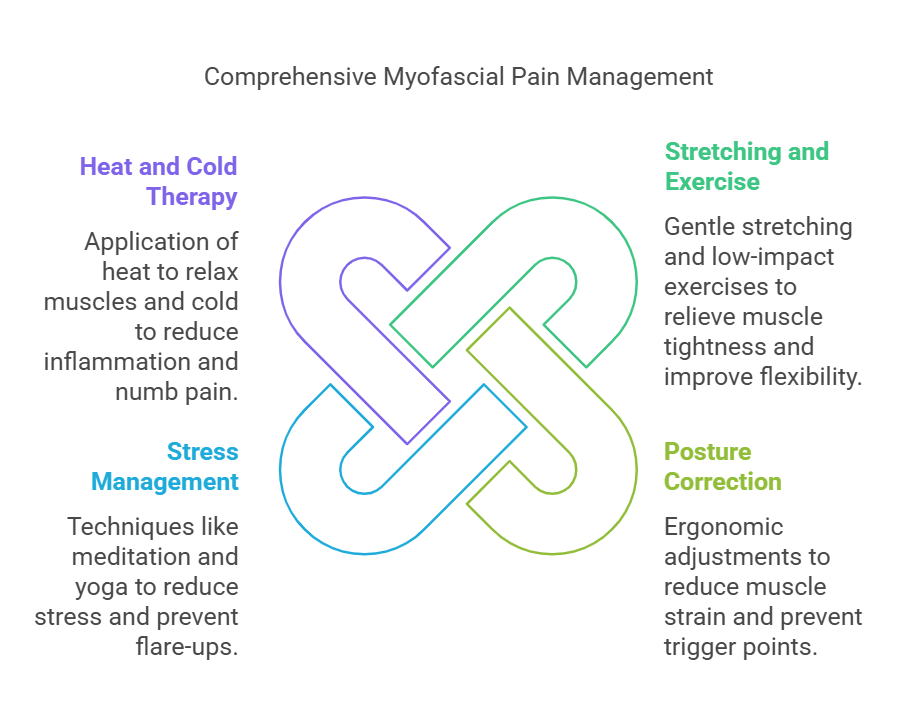
- Stretching and Exercise: Gentle stretching exercises can help relieve muscle tightness and improve range of motion. Regular low-impact exercises, such as walking or swimming, can also help keep muscles flexible and prevent further tension.
- Posture Correction: Improving posture can reduce strain on the muscles and prevent the formation of new trigger points. Ergonomic adjustments in the workplace, such as a properly aligned chair or desk, can also help.
- Stress Management: Since stress is a common trigger for MPS, practicing stress-reducing techniques, such as deep breathing, meditation, or yoga, can help alleviate symptoms and prevent flare-ups.
- Heat and Cold Therapy: Applying heat or cold to the affected area can provide temporary relief from muscle pain. Heat helps increase blood flow and relax tense muscles, while cold therapy can reduce inflammation and numb pain.
Physical Therapy
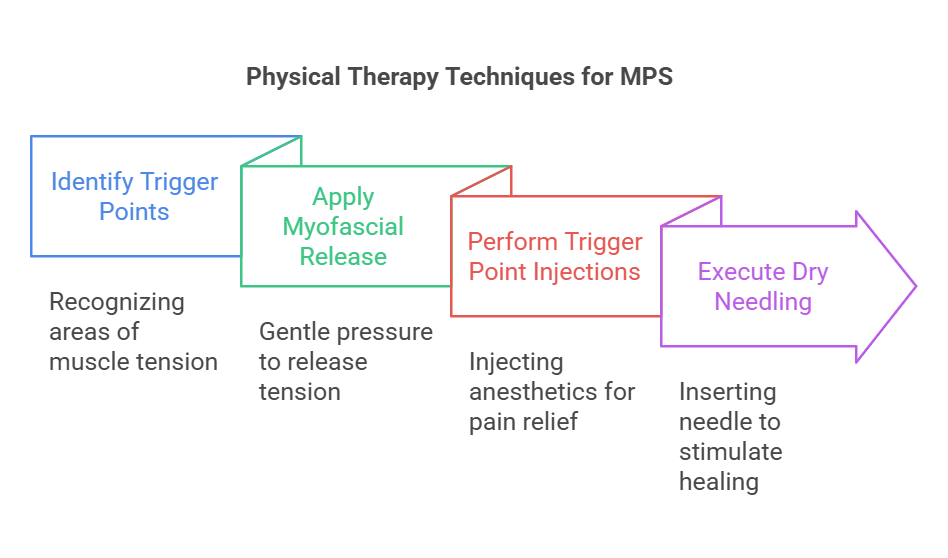
Physical therapy is a cornerstone of treatment for MPS. A physical therapist can guide patients through specific exercises and manual therapy techniques to release trigger points, improve muscle flexibility, and strengthen weak muscles. Some common physical therapy treatments for MPS include:
- Myofascial Release Therapy: This technique involves gentle, sustained pressure applied to the muscle and fascia to release trigger points and restore normal muscle function.
- Trigger Point Injections: In some cases, a healthcare provider may inject local anesthetics or corticosteroids directly into the trigger points to provide pain relief.
- Dry Needling: This technique involves inserting a thin needle into the trigger point to stimulate the muscle and promote healing. Dry needling can help release tension and improve muscle function.
Medications
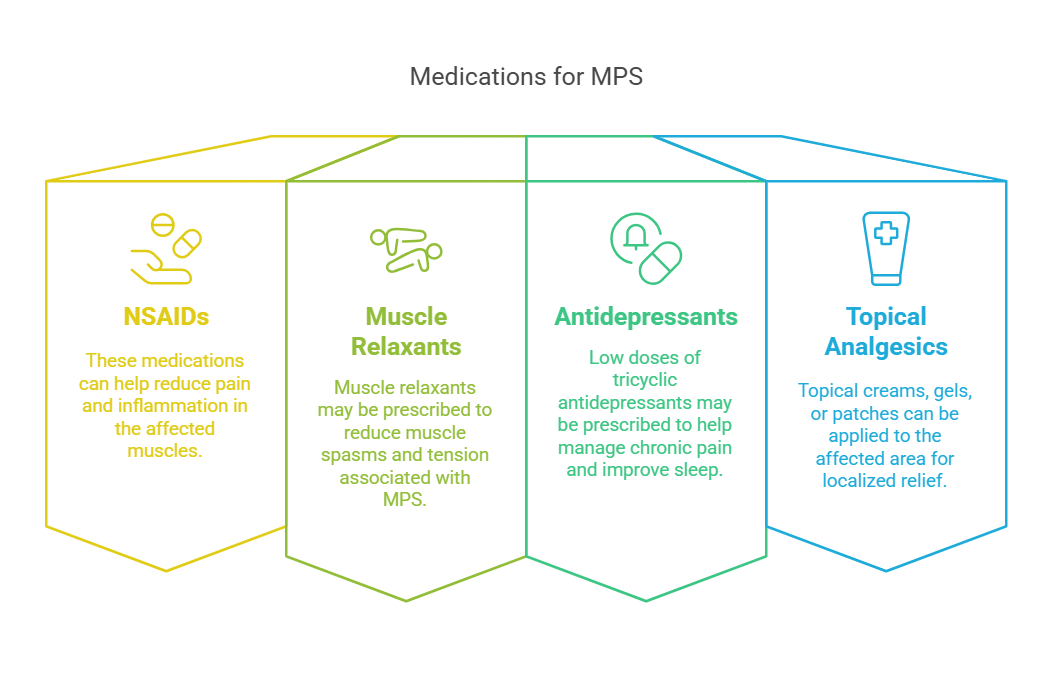
Medications are often used in conjunction with physical therapy to manage the pain and inflammation associated with MPS. Common medications include:
- Nonsteroidal Anti-Inflammatory Drugs (NSAIDs): These medications can help reduce pain and inflammation in the affected muscles.
- Muscle Relaxants: Muscle relaxants may be prescribed to reduce muscle spasms and tension associated with MPS.
- Antidepressants: In some cases, low doses of tricyclic antidepressants may be prescribed to help manage chronic pain and improve sleep.
- Topical Analgesics: Topical creams, gels, or patches containing pain-relieving ingredients (e.g., menthol or capsaicin) can be applied to the affected area for localized relief.
Alternative Therapies
Some individuals find relief from MPS through alternative therapies, such as acupuncture, chiropractic care, or massage therapy. These treatments can help improve circulation, reduce muscle tension, and promote relaxation.
Prevention
While Myofascial Pain Syndrome may not be entirely preventable, certain lifestyle changes and self-care practices can reduce the risk of developing or exacerbating the condition. These include:
- Regular Exercise: Staying active can help keep muscles flexible and strong, reducing the risk of muscle strain and trigger point formation.
- Good Posture: Maintaining proper posture, especially during sitting, standing, and sleeping, can help prevent muscle imbalances and tension.
- Stress Reduction: Managing stress through relaxation techniques, such as meditation, deep breathing, or yoga, can help reduce muscle tension and prevent flare-ups.
- Ergonomic Workspace: Setting up an ergonomic workspace with a comfortable chair, keyboard, and monitor can help prevent muscle strain, particularly in the neck and shoulders.
Outlook/Prognosis
The prognosis for individuals with Myofascial Pain Syndrome is generally favorable with appropriate treatment. Most people can achieve significant pain relief and improved function with a combination of physical therapy, self-care, and lifestyle modifications. However, since MPS is a chronic condition, flare-ups may occur periodically, especially during times of stress or after muscle overuse.
With early diagnosis and effective treatment, individuals with MPS can lead normal, active lives. However, without proper care, the condition may become more persistent and interfere with daily activities.
In conclusion, Myofascial Pain Syndrome is a common condition that causes chronic muscle pain and discomfort. By identifying trigger points and addressing the underlying causes of the condition, individuals can manage their symptoms effectively and improve their quality of life.