
Thoracic Back Pain Treatment: Ultimate Relief in 2025
What You Need to Know About Thoracic Back Pain Relief
Thoracic back pain treatment includes several evidence-based approaches that can provide relief:
Conservative Treatments:
- Physical therapy and exercise – Stretching, strengthening, and posture correction
- Heat and ice therapy – Reduces inflammation and relaxes muscles
- Over-the-counter NSAIDs – Ibuprofen or naproxen for pain and swelling
- Manual therapy – Massage, chiropractic adjustments, or acupuncture
Medical Interventions:
- Epidural steroid injections – Target inflammation around spinal nerves
- Trigger point injections – Release muscle knots causing pain
- Nerve blocks – Block pain signals from affected nerves
- Radiofrequency ablation – Uses heat to interrupt pain signals for longer relief
When to Seek Help:
- Pain lasting more than a few weeks
- Numbness, tingling, or weakness in limbs
- Difficulty controlling bladder or bowels
- Pain with fever or unexplained weight loss
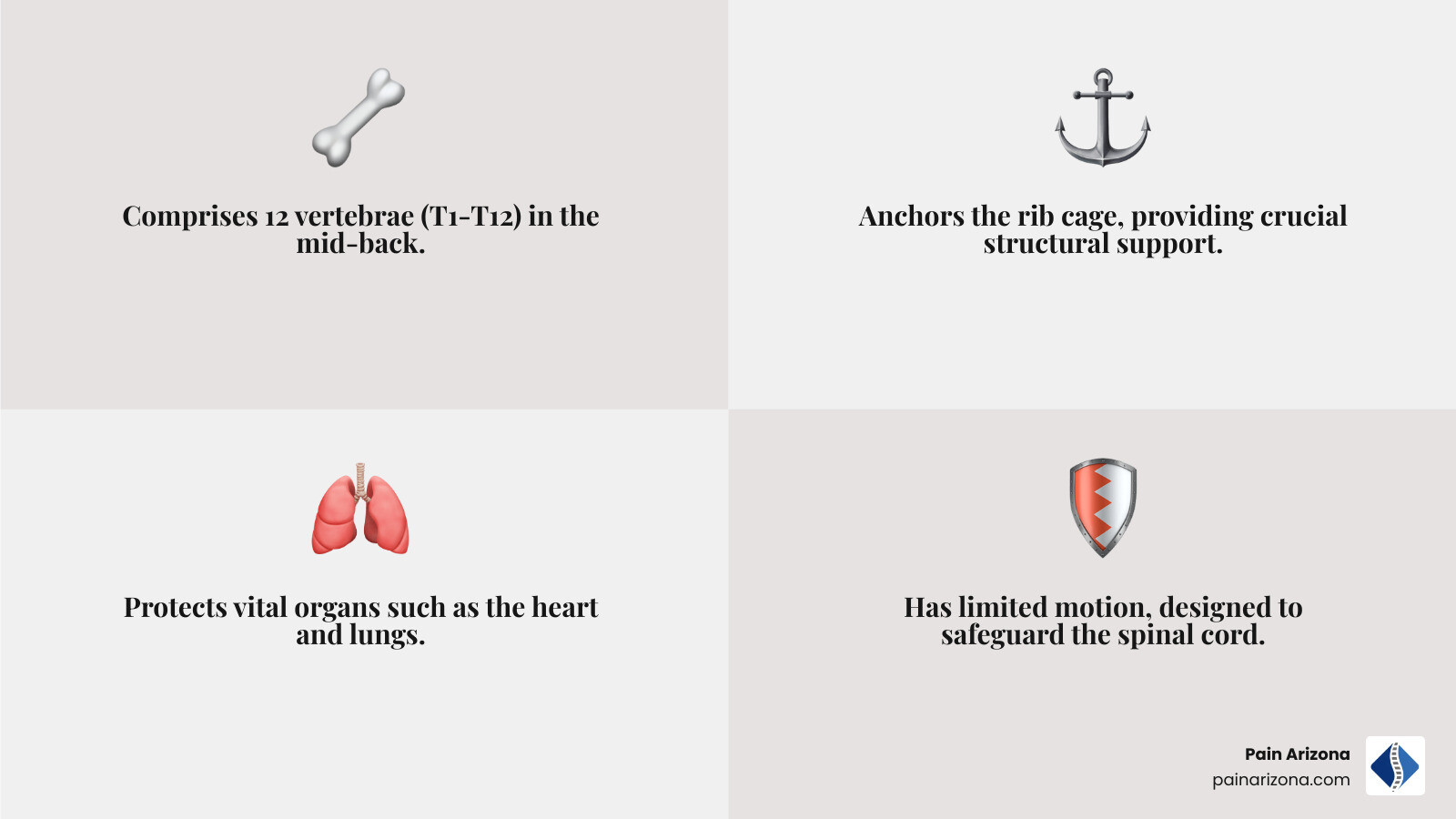
Thoracic back pain affects your mid and upper back, the area between your neck and the bottom of your rib cage. This region, the thoracic spine (vertebrae T1-T12), anchors your ribs and protects your heart and lungs.
While thoracic back pain is common, affecting 15% to 35% of adults annually, it’s less understood than lower back pain. The thoracic spine’s limited mobility means pain often stems from muscular irritation, joint dysfunction, or poor posture rather than disc problems.
Most cases respond well to conservative care, but know when pain signals a more serious issue. I’m Dr. Nasser, Chief Medical Officer at Pain Arizona. I’ve performed tens of thousands of minimally invasive procedures and helped develop comprehensive approaches to thoracic back pain treatment. In this guide, we’ll explore the causes of thoracic pain, effective at-home strategies, and when advanced medical interventions may be right for you.
Understanding the Causes and Symptoms of Thoracic Pain
Your thoracic spine (T1-T12) is the stable mid-section of your back, anchoring your rib cage to protect your heart and lungs. Its design prioritizes stability over flexibility, which means thoracic pain often has different causes than neck or lower back pain.
Thoracic back pain is quite common. Research shows that 15% to 35% of adults experience it annually. Interestingly, less than 35% of this pain comes purely from muscles and bones, meaning other factors often play a role.
The most frequent culprits are muscular irritation and joint dysfunction. Poor posture, especially from hunching over a computer, places constant stress on the muscles and ligaments, leading to strain. Overuse injuries from repetitive movements or improper lifting can also trigger discomfort.
Common Symptoms to Watch For
Thoracic pain can present in various ways. Paying attention to your symptoms can help you and your doctor understand the cause.
- Sharp or burning pain in a specific spot or between the shoulder blades.
- A dull, nagging ache that worsens with certain movements or prolonged positions.
- Stiffness or tightness that limits your ability to twist or bend.
- Sudden muscle spasms that can be painful and limit movement. For more on this, see our page on Muscle Pain / Spasm.
- Pain with breathing, coughing, or sneezing, which may indicate rib involvement.
- Radiating pain that wraps from your back toward your chest or abdomen, which can signal nerve issues (thoracic radiculopathy).
Underlying Medical Conditions
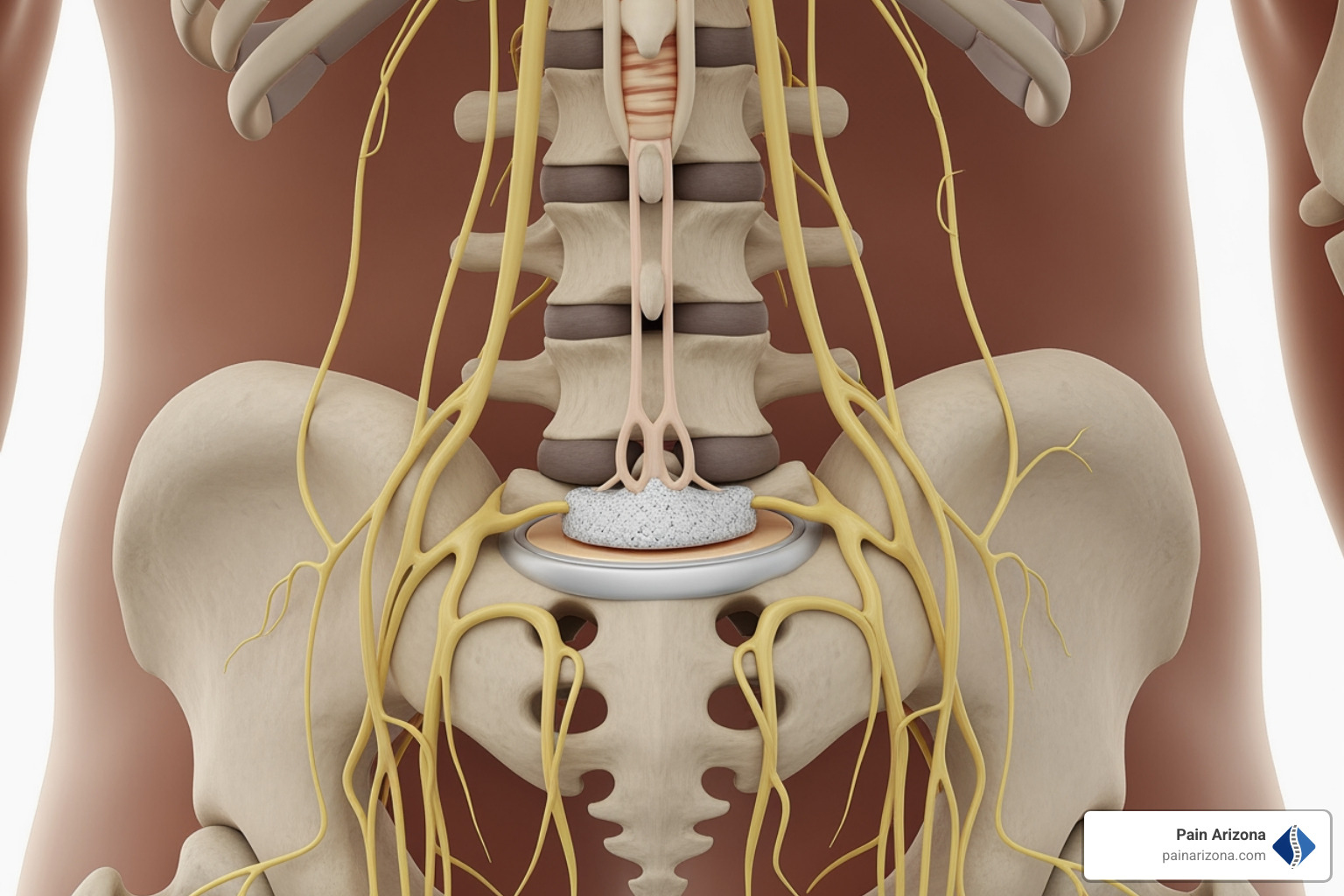
While muscle strain is common, several medical conditions can cause or worsen thoracic pain, requiring a specific thoracic back pain treatment plan.
- Herniated discs: Less common in the thoracic spine, but they can press on nerves.
- Osteoarthritis: Degeneration of the facet joints connecting vertebrae. Learn more about age-related changes on our Degenerative Disc Disease page.
- Spinal stenosis: Narrowing of the spinal canal that compresses the spinal cord or nerves.
- Scoliosis: An abnormal sideways spinal curve that creates muscle imbalances.
- Compression fractures: Often affect older adults with osteoporosis. We offer specialized treatments like Kyphoplasty and Vertebroplasty.
- Ankylosing Spondylitis: A chronic inflammatory disease that can fuse vertebrae.
- Spinal infections or tumors: Rare but serious causes that require immediate medical attention.
Sometimes, pain felt in the mid-back is referred from other organs. Conditions like GERD, pancreatitis, chest infections, or lung cancer can all cause pain in the thoracic region.
Understanding these potential causes is the first step toward finding effective relief. If your symptoms are persistent or worsening, it’s time to explore your treatment options.
At-Home Thoracic Back Pain Treatment and Self-Care
For many, thoracic back pain can be managed effectively at home. These first-line strategies focus on reducing inflammation, restoring mobility, and strengthening the muscles supporting your mid-back. As our guide on Lifestyle Modifications for Pain Management explains, small changes can lead to significant improvements.
Stretches and Exercises for Relief
Gentle movement is often the best medicine for thoracic back pain treatment. Targeted exercises can loosen stiff joints, strengthen supportive muscles, and correct poor postural habits. Always move slowly and stop if you feel sharp pain.

- Cat-Cow Pose: On all fours, alternate between arching your back (cow) and rounding it toward the ceiling (cat). Repeat 10 times to gently mobilize your spine.
- Thoracic Extensions: Lie with a foam roller under your mid-back. Support your head and gently lean back over the roller to extend your upper back, counteracting slouching.
- Wall Angels: Stand with your back, head, and arms against a wall, elbows bent at 90 degrees. Slowly slide your arms up and down, keeping contact with the wall to improve mobility.
- Child’s Pose: Kneel, sit back on your heels, and fold forward, resting your forehead on the floor. This gently stretches your entire back.
Strengthening your core and upper back is just as crucial. Exercises like rows with resistance bands build muscles that support good posture. Regular, low-impact activities like swimming, walking, and yoga also keep your back healthy. For guided programs, consider our Exercise-Based Rehab services.
Immediate Pain Relief Tactics
When you need quick relief from a flare-up, try these strategies:
- Heat and Cold Therapy: Use ice for 15-20 minutes on new injuries to reduce inflammation. For chronic aches or muscle tightness, a heating pad or warm bath can relax muscles and improve blood flow.
- Over-the-Counter (OTC) Medication: NSAIDs like ibuprofen or naproxen can reduce both pain and inflammation. Use as directed.
- Topical Pain Relievers: Creams, gels, or patches containing menthol or capsaicin can provide localized relief.
- Posture and Ergonomics: Sit and stand tall with your shoulders back. Adjust your workspace so your computer screen is at eye level and your chair provides good support.
- Balance Rest and Activity: Too much rest can slow healing. Continue with light activities like walking as tolerated, but avoid anything that sharpens your pain.
- Gentle Massage: Massaging tense muscles can improve circulation and ease discomfort.
For more information on using medications safely, see our page on Medication Management.
When to Seek Medical Care for Thoracic Back Pain
While most thoracic back pain resolves with self-care, some signs indicate it’s time for a professional evaluation. Knowing when to call a doctor can prevent a minor issue from becoming a chronic problem.
Seek medical care if your pain:
- Lasts more than a few weeks
- Is severe and interferes with daily activities like work or sleep
- Is getting worse over time instead of improving
- Follows a fall or significant trauma
Some symptoms are “red flags” that require immediate medical attention. These include:
- New numbness, tingling, or weakness in your limbs or around your rib cage
- Loss of bowel or bladder control
- Back pain accompanied by fever, chills, or unexplained weight loss
The NHS website offers more guidance, but we are always here to help you determine the next steps.
The Diagnostic Process
When you visit Pain Arizona, our goal is to find the root cause of your pain to create an effective thoracic back pain treatment plan. Your visit will include:
- A physical examination to check your posture, range of motion, and areas of tenderness.
- A review of your medical history and lifestyle to identify potential causes.
- Neurological tests to assess reflexes, strength, and sensation for any nerve involvement.
Based on these findings, we may recommend imaging tests. An X-ray can show fractures or arthritis, while an MRI provides a detailed view of soft tissues like discs and nerves. A CT scan is excellent for examining bone structures. Imaging is not always necessary for acute pain but is vital when we suspect a serious condition. Our approach to Back Pain is always guided by your specific situation.
How to Prevent Future Pain
Once you find relief, prevention is key. These habits can help keep your back healthy:

- Maintain a healthy weight to reduce strain on your spine.
- Exercise regularly, focusing on core strength and flexibility.
- Use proper lifting techniques: Bend at your knees, not your back.
- Create an ergonomic workspace to prevent strain during long hours of sitting.
- Practice good posture to maintain your spine’s natural curves.
- Quit smoking, as it impairs blood flow and healing.
- Manage stress through techniques like meditation or deep breathing.
These strategies can help you avoid the challenges of Chronic Back Pain and maintain an active lifestyle.
Advanced Thoracic Back Pain Treatment Options
When conservative treatments aren’t enough, it’s time to explore more advanced medical options. At Pain Arizona, we use a multimodal treatment approach, combining therapies to address the complex nature of chronic pain. This strategy recognizes that pain is influenced by biological, psychological, and social factors. Our goal is to create a personalized plan from our comprehensive range of Treatments that gets to the root of your discomfort.
Physical and Manual Therapies
Physical therapy is a cornerstone of effective thoracic back pain treatment. A skilled physical therapist creates a personalized program of strengthening exercises and posture correction to improve mobility, reduce pain, and build a natural support system for your spine.

Manual therapy uses hands-on techniques to mobilize joints and release muscle tension. Our Manual Therapy: Precision Care for Pain Reduction services can be highly effective. Chiropractic adjustments focus on realigning the spine to improve function and reduce pain, which you can learn about in Chiropractic Adjustments: Realigning for Better Spinal Health. Additionally, therapeutic massage therapy targets muscle spasms and tension. Find how Massage Therapy: Relaxing the Path to Recovery can complement your treatment.
Minimally Invasive Procedures for Thoracic Back Pain Treatment
When other therapies fall short, targeted injections can deliver medication directly to the pain source, offering relief that can last for weeks or months.
- Epidural Steroid Injections: An anti-inflammatory is injected into the epidural space to reduce nerve inflammation from herniated discs or spinal stenosis. Learn more on our Epidural Steroid Injections: Relief for Spinal Nerve Pain page.
- Facet Joint Injections: A corticosteroid and anesthetic are injected into the small joints between your vertebrae to treat pain from arthritis or injury.
- Trigger Point Injections: A local anesthetic is injected into tight muscle knots to release tension and break the pain cycle.
- Nerve Blocks: Anesthetic is injected near specific nerves to interrupt pain signals, providing immediate relief and diagnostic information.
We perform these procedures using image guidance (like real-time X-ray) to ensure precise placement and maximum effectiveness.
Advanced Interventions for Chronic Thoracic Back Pain Treatment
For severe, chronic pain, we offer several advanced options for longer-lasting relief.
- Radiofrequency Ablation (RFA): This procedure uses heat from radio waves to interrupt pain signals from specific nerves, often providing relief for several months to over a year. It can create a crucial window for effective physical therapy. Read more about Radiofrequency Ablation: Targeting Chronic Joint Pain.
- Spinal Cord Stimulation: An implanted device sends mild electrical pulses to the spinal cord, scrambling pain signals before they reach the brain. This can be life-changing for patients with intractable pain.
- Kyphoplasty and Vertebroplasty: For vertebral compression fractures, bone cement is injected into the fractured vertebra to stabilize it and provide rapid pain relief.
- Surgery: This is a last resort, considered only for specific structural problems like severe spinal stenosis or unstable fractures after all conservative options have been exhausted.
At Pain Arizona, we accept most insurance plans for these advanced treatments. We will work with you to identify the most appropriate and accessible options for your situation.
Frequently Asked Questions about Thoracic Back Pain
Is thoracic back pain serious?
Most cases of thoracic back pain are not serious. They usually stem from common issues like muscular strain, joint dysfunction, or poor posture, which respond well to conservative thoracic back pain treatment and self-care.
However, it’s important to recognize red flag symptoms that require immediate medical attention. Seek help right away for:
- New numbness or weakness in your limbs
- Loss of bowel or bladder control
- Pain accompanied by fever or unexplained weight loss
While less common, serious conditions like fractured vertebrae or spinal tumors can cause thoracic pain. If your pain is severe, worsening, or accompanied by red flags, a professional evaluation is essential.
Can stress cause pain in the thoracic spine?
Yes, the mind-body connection is powerful, and stress is a genuine physical trigger for thoracic pain. When you’re stressed, your body tenses up, particularly in the shoulders and upper back. This sustained muscle tension leads to stiffness, spasms, and physical discomfort.
Chronic stress can also increase inflammation and alter how your brain perceives pain, making it feel more intense. A 2020 study confirmed a link between higher anxiety scores and a greater prevalence of thoracic spine pain.
This is why a comprehensive thoracic back pain treatment plan often includes stress management techniques like meditation or deep breathing. Addressing the psychological component is a key part of healing, an approach we explore in Cognitive Behavioral Therapy for Chronic Pain.
How long does thoracic back pain last?
The duration of thoracic back pain depends on its cause and how it’s treated.
- Acute pain, often from a muscle strain, typically improves within days to a few weeks with proper self-care.
- Subacute pain is pain that lasts between four and 12 weeks. At this stage, a medical evaluation is recommended.
- Chronic pain persists for more than 12 weeks. It often involves more complex underlying issues like degenerative conditions or nerve involvement and requires a comprehensive, long-term thoracic back pain treatment strategy.
Early and appropriate intervention is key. Addressing pain promptly can prevent an acute problem from becoming a chronic one. While a simple muscle strain may heal in weeks, more complex conditions can require several months of dedicated care.
Take the Next Step Towards Relief
Living with thoracic back pain doesn’t have to be your new normal. Whether you have a dull ache or sharp pain, a comprehensive assessment is the first step toward feeling like yourself again.
At Pain Arizona, we take the time to understand what’s causing your discomfort. We conduct a thorough evaluation to pinpoint the source of your pain and develop a personalized treatment plan for your body and lifestyle.
If home care isn’t working or your pain is worsening and interfering with your life, it’s time to explore advanced options. From physical therapy and targeted injections to cutting-edge procedures like radiofrequency ablation, we offer a full spectrum of thoracic back pain treatment options, always starting with the most conservative approach.
Our double board-certified physicians have helped thousands of patients throughout the Greater Phoenix Area—from Mesa and Gilbert to Scottsdale and Glendale—find lasting relief. We accept most insurance plans; please check with our office manager to confirm your coverage.
You don’t have to keep living with pain. Schedule a consultation for your back pain in the Phoenix area and let’s work together to get you back to doing what you love, pain-free.