
Kyphoplasty in Phoenix: Finding Relief from Spinal Fractures
When a Spinal Fracture Stops You in Your Tracks
If you’re living with sudden, severe back pain after a vertebral compression fracture, minimally invasive kyphoplasty in Phoenix may be the relief you’ve been looking for. Here’s a quick overview:
Quick Answer: Minimally Invasive Kyphoplasty in Phoenix
- A same-day, outpatient procedure that stabilizes collapsed spinal vertebrae
- Uses a small balloon to gently restore vertebral height, then fills the space with bone cement
- 80-90% of patients report significant pain relief within 24 hours
- Complication rate of less than 2%, making it a safe option for older adults
- Covered by most major insurance plans — contact Pain Arizona’s office manager to confirm your coverage
Vertebral compression fractures are more common than most people realize. About 1.5 million occur in the United States every year — many in people with osteoporosis, but also in those who’ve had a fall or other physical trauma. The result is often debilitating back pain that makes it hard to stand, walk, or sleep.
Traditional treatments like bed rest, bracing, and pain medication can help, but they don’t fix the underlying structural problem. The fractured vertebra stays collapsed. The pain lingers. And for many people, it slowly gets worse.
That’s where kyphoplasty comes in — a minimally invasive procedure designed to address the root cause of the pain, not just mask it.
I’m Dr. Nasser, a double board-certified PM&R and pain medicine physician with extensive experience performing minimally invasive spine interventions — including kyphoplasty — for patients across the Greater Phoenix area. If you’re exploring your options for minimally invasive kyphoplasty in Phoenix, the sections below will walk you through everything you need to know to make a confident, informed decision.
Minimally Invasive Kyphoplasty Phoenix: Advanced Relief for Spinal Fractures
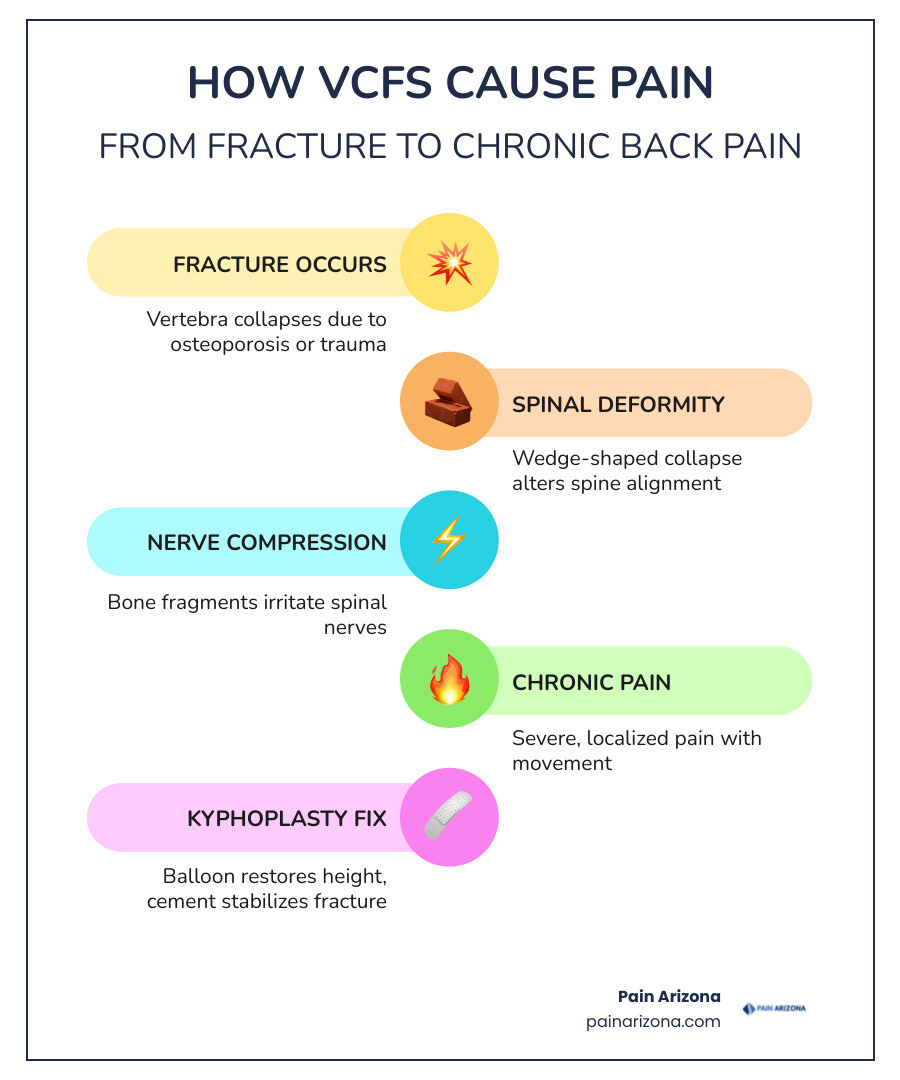
When a vertebra fractures and collapses, it creates a wedge shape that alters the natural alignment of your spine. This structural collapse is the primary driver of severe, localized back pain. To address this, advanced spinal medicine has moved toward highly targeted, minimally invasive options.
The Phoenix kyphoplasty system represents a major leap forward in how we treat these injuries. While traditional kyphoplasty has always utilized a balloon to create space, the Phoenix system refines this process through superior design and engineering.
The Phoenix system’s design specifically optimizes how we restore the vertebral body. Its specialized balloon shape is engineered to expand predictably and uniformly, applying outward force where the bone is most collapsed. This precise balloon expansion allows for excellent fracture reduction, meaning we can lift the collapsed bone back toward its original, healthy height.
Furthermore, the Phoenix system features a highly controlled cement delivery mechanism. In traditional techniques, injecting bone cement can sometimes carry a risk of uneven distribution or leakage. The Phoenix system’s delivery tools allow us to introduce the polymethylmethacrylate (PMMA) bone cement at a lower, more controlled pressure. This ensures optimal cement distribution throughout the newly created cavity, locking the fracture in place and providing immediate structural stability.
If you are currently researching your treatment options, our vertebral compression fracture guide and our comprehensive arizona compression fracture treatment guide provide deep dives into how these spinal injuries impact your daily life and the various ways we can help you heal.
Why Choose Minimally Invasive Kyphoplasty Phoenix for Vertebral Fractures?
Patient selection is the cornerstone of a successful spinal procedure. We do not recommend surgery unless it is truly the safest and most effective path forward for you. The primary indications for utilizing the Phoenix system include:
- Osteoporotic Compression Fractures: The most common cause, where bones weakened by osteoporosis fracture under normal, everyday stress.
- Traumatic Fractures: Fractures resulting from falls, car accidents, or sports injuries in patients without severe bone density loss.
- Persistent Pain: Severe, localized back pain that has not responded to conservative treatments (such as bracing, bed rest, or medications) after a trial period.
According to clinical studies as of July 2026, the Phoenix kyphoplasty system demonstrates an impressive 95% success rate in restoring vertebral body height in minimally invasive procedures. This height restoration is critical because it prevents the forward-slouching posture (kyphosis) that can lead to breathing difficulties, digestive issues, and a higher risk of future fractures in adjacent vertebrae.
For patients dealing with specific spinal levels, we have created specialized resources. You can read Im Dr Nasser The Complete Guide To T11 Compression Fracture to understand how fractures in the transitional zone of the spine are managed. Additionally, to help you make sense of the complex medical jargon, we offer Im Dr Nasser Compression Fracture Back Terms Demystified, which translates complicated spinal terms into plain, easy-to-understand English.
What to Expect During Your Minimally Invasive Kyphoplasty Phoenix Procedure
We understand that the thought of any spinal procedure can cause anxiety. However, a major benefit of minimally invasive kyphoplasty in Phoenix is that it is a highly streamlined, outpatient procedure performed under local anesthesia and light sedation. Here is a step-by-step breakdown of what happens during the procedure:
- Preparation and Imaging: You will lie comfortably face down on a specialized procedure table. We apply local anesthetic to numb the skin and deeper tissues over the target vertebra.
- Accessing the Vertebra: Using high-definition, real-time X-ray imaging called fluoroscopy, we guide a tiny, hollow needle (cannula) through a microscopic incision (less than a half-inch) directly into the fractured vertebral body.
- Balloon Inflation: We gently insert the specialized Phoenix balloon through the cannula. Once in position, we slowly inflate the balloon. This step compresses the soft, fractured bone outward, restoring the lost height of the vertebra and creating a precise void or cavity.
- Cement Delivery: We deflate and remove the balloon, leaving the newly created cavity intact. We then introduce the medical-grade PMMA bone cement through the cannula under low pressure. The cement fills the cavity completely, acting as an internal cast that stabilizes the bone.
- Completion: The cement hardens in about 10 to 15 minutes. We remove the cannula and apply a small bandage over the incision. No stitches are required!
To learn more about how modern techniques have revolutionized spinal care, you can explore our resources on all about minimally invasive spine surgery and minimally invasive back surgery.
Clinical Outcomes, Risks, and Recovery Timeline
The clinical data supporting kyphoplasty is incredibly reassuring. Kyphoplasty has been shown to reduce pain scores by an average of 70-80% in patients with vertebral compression fractures. Furthermore, studies indicate that 80-90% of patients experience significant pain relief within 24 hours after undergoing the procedure.

To help you compare your options, let’s look at how the Phoenix kyphoplasty system stacks up against other common treatments:
| Feature / Outcome | Phoenix Kyphoplasty System | Standard Balloon Kyphoplasty | Traditional Vertebroplasty |
|---|---|---|---|
| Height Restoration | Excellent (95% success rate) | Moderate to High | Minimal |
| Fracture Reduction | Highly precise and uniform | Standard | Limited |
| Cement Leakage Risk | Extremely low (<2%) | Low | Moderate |
| Procedure Time | 30–45 minutes per level | 45–60 minutes per level | 30–45 minutes |
| Anesthesia Required | Local with light sedation | Local with sedation or General | Local with light sedation |
The recovery process is remarkably fast. Because we do not cut through major muscles or disrupt the surrounding spinal architecture, the minimally invasive spine surgery recovery time is minimal.
To help you visualize your road to recovery, here is a typical timeline:
- Hours 1–2 (Immediate Post-Op): You will rest in our comfortable recovery area for a short observation period. Many patients notice a dramatic reduction in their sharp fracture pain before they even leave our clinic.
- Days 1–3: You can return home the same day. We recommend taking it easy, but light walking is highly encouraged to promote healthy circulation. You may experience minor soreness at the tiny incision site, which is easily managed with ice or mild over-the-counter pain relievers.
- Weeks 1–2: You can gradually resume light, everyday activities. We advise against heavy lifting (nothing over 10 pounds) or strenuous twisting of the spine during this initial healing phase.
- Week 4 and Beyond: Most patients are fully recovered and back to enjoying their favorite activities without the constant, stabbing pain of a spinal fracture.
For those interested in the scientific literature, you can review this Scientific study on kyphoplasty safety and efficacy which details the excellent safety profile and clinical success of vertebral augmentation.
Potential Risks and Contraindications
While minimally invasive kyphoplasty in Phoenix is exceptionally safe — boasting a complication rate of less than 2% — no medical procedure is entirely without risk.
Potential risks include:
- Cement Leakage: In rare cases, a small amount of bone cement can leak outside the vertebral body. However, the Phoenix system’s low-pressure delivery design minimizes this risk.
- Adjacent Segment Fractures: Because the treated vertebra is now strong and rigid, extra stress can sometimes be placed on the neighboring weakened bones, potentially leading to a new fracture. We address this by working with you on long-term bone density management.
- Infection or Bleeding: Standard risks for any minimally invasive procedure, though extremely rare due to our strict sterile protocols.
Contraindications include active systemic infections, uncorrected bleeding disorders, or fractures that have already fully healed and stabilized on their own. To better understand what causes these fractures in the first place, please read our A Comprehensive Guide To Compression Fracture Causes.
Cost-Effectiveness, Insurance, and Surgeon Training
From an economic perspective, resolving a spinal fracture quickly is highly cost-effective. Leaving a fracture untreated often leads to prolonged hospital stays, expensive long-term pain medications, physical therapy, and a loss of personal independence. You can read more about the economic benefits in this NCBI research on vertebral augmentation cost-effectiveness.
When it comes to coverage, we accept most insurance plans, including Medicare and major commercial carriers. Because insurance requirements can vary, we recommend checking with our office manager to see if your specific plan is accepted and to assist you with the pre-authorization process. For a complete guide to medical coding for these procedures, you can review our resource on the Icd 10 Code For L1 Compression Fracture A Complete Guide For Coders.
It is also vital to choose a physician with specialized training. Performing kyphoplasty requires a high degree of fluoroscopic precision and a deep understanding of spinal biomechanics. At Pain Arizona, our double board-certified physicians have undergone rigorous fellowship training to master these advanced techniques, ensuring you receive the highest standard of care.
Frequently Asked Questions about Kyphoplasty
How long does pain relief last after a Phoenix kyphoplasty?
The pain relief achieved through the Phoenix kyphoplasty system is typically permanent for the treated vertebra. Once the medical-grade bone cement hardens, the fractured bone is fully stabilized and cannot collapse further. While kyphoplasty successfully treats the immediate fracture, it is still essential to manage underlying conditions like osteoporosis to protect the rest of your spine. For more comprehensive tips, check out phoenixs top strategies for lasting chronic pain relief.
Is the Phoenix kyphoplasty system covered by insurance in Arizona?
Yes! Kyphoplasty is widely recognized as an medically necessary, standard-of-care treatment for painful, non-healing vertebral compression fractures. It is covered by Medicare and the vast majority of commercial insurance providers in Arizona. Our dedicated team will handle the pre-authorization paperwork for you. For more information on navigating payments, visit our insurance financing page.
What is the difference between vertebroplasty and the Phoenix kyphoplasty system?
While both procedures use bone cement to stabilize a fractured vertebra, the key difference lies in height restoration. Vertebroplasty involves injecting cement directly into the cracked bone without altering its shape. The Phoenix kyphoplasty system, however, uses a specialized balloon to first lift the collapsed bone back toward its original height, creating a precise cavity before the cement is delivered. This significantly improves spinal alignment and reduces the risk of cement leakage. You can read more about the differences in our guide to vertebroplasty.
Conclusion
A spinal fracture can make you feel like your life has been put on hold, but you do not have to live with debilitating back pain. At Pain Arizona, our double board-certified physicians specialize in advanced, compassionate, and evidence-based chronic pain management. We are dedicated to finding the root cause of your pain and delivering minimally invasive solutions that help you reclaim your active lifestyle.
If you are ready to take the first step toward standing tall and pain-free, read our guide on How Phoenix Specialists Help You Stand Tall After A Spine Fracture to see how we support your recovery.
Don’t let a spinal fracture keep you down. Book your consultation with Pain Arizona today and let us help you find the lasting relief you deserve.