
Chronic Pain Relief Phoenix: Top 3 Lasting Solutions
Why Finding the Right Chronic Pain Relief in Phoenix Matters
Chronic pain relief Phoenix options include interventional injections, radiofrequency ablation, spinal cord stimulation, regenerative medicine, and minimally invasive procedures—all delivered through a multidisciplinary approach that addresses the root cause of your pain, not just the symptoms.
Top Chronic Pain Relief Strategies in Phoenix:
- Interventional Pain Procedures – Epidural steroid injections, facet joint injections, sacroiliac joint injections, and nerve blocks
- Radiofrequency Ablation (RFA) – Long-lasting pain relief by disrupting pain signals from affected nerves
- Spinal Cord Stimulation – Advanced neuromodulation for chronic back pain and Failed Back Surgery Syndrome
- Regenerative Medicine – Biologic therapies that support natural tissue healing and reduce inflammation
- Minimally Invasive Spine Procedures – Endoscopic techniques with faster recovery and less tissue disruption
- Multidisciplinary Care – Combining medical treatment, physical therapy, and behavioral health support
Millions of people in the Greater Phoenix Area suffer from chronic pain. It’s defined as pain lasting longer than three months, and it often leads to a cycle of ineffective treatments, increasing reliance on prescriptions, and a feeling of being trapped with nowhere to turn. But there is hope.
Modern chronic pain relief Phoenix clinics now offer evidence-based, minimally invasive treatments that target the root cause of your discomfort. Instead of just masking symptoms, these approaches aim to restore function, reduce your need for medication, and help you return to the activities you love. For a general medical overview of how persistent pain works in the body, you can also review the chronic pain article on Wikipedia.
I’m Dr. Nasser, a double board-certified physical medicine and rehabilitation (PM&R) and pain medicine physician serving as Chief Medical Officer at Pain Arizona, where I’ve helped thousands of patients find effective chronic pain relief Phoenix through comprehensive, personalized treatment plans. Since September 2025, I’ve led our multidisciplinary team in delivering cutting-edge interventional procedures and regenerative therapies across the Greater Phoenix area.
Whether your pain comes from arthritis, degenerative disc disease, nerve damage, fibromyalgia, or a failed back surgery, the right specialist can make all the difference. This guide will walk you through the most effective strategies, help you understand what to look for in a pain management clinic, and show you how a comprehensive approach can finally break the cycle of chronic pain.

Chronic pain relief Phoenix terms to know:
Understanding Chronic Pain: Causes, Symptoms, and When to Seek Help
Chronic pain is a complex condition, affecting millions right here in the Greater Phoenix Area. It’s not just a symptom; it’s a disease in itself that can profoundly impact every aspect of your life. Understanding its origins and recognizing the warning signs are the first steps toward reclaiming your comfort and freedom.
Common Causes of Persistent Pain
Chronic pain can stem from a wide array of conditions, often involving the musculoskeletal and nervous systems. In Phoenix and across the country, we frequently see patients struggling with:
- Arthritis: A common cause of joint pain, arthritis can occur with age or accident and is usually due to inflammation. This includes osteoarthritis, which results from wear and tear, and rheumatoid arthritis, an autoimmune condition.
- Degenerative Disc Disease: As we age, the discs between our vertebrae can lose fluid and flexibility, leading to pain in the spine. This can manifest as low back pain Chandler, Mesa, Scottsdale, Phoenix, Glendale or neck pain Chandler, Mesa, Scottsdale, Phoenix, Glendale.
- Nerve Damage (Neuropathy): Damage to nerves can result from various conditions like diabetes, injury, or infections, leading to burning, tingling, or shooting pain. Leg pain, commonly called sciatica, is often associated with nerve compression in the back.
- Fibromyalgia: Characterized by widespread musculoskeletal pain accompanied by fatigue, sleep, memory, and mood issues, fibromyalgia is a condition with general pain but no clear laboratory abnormalities.
- Failed Back Surgery Syndrome (FBSS): This is a common term for persistent or new back pain that occurs after spinal surgery.
- Spinal Stenosis: This condition involves the narrowing of the spaces within your spine, which can put pressure on the spinal cord and the nerves that travel through the spine. It’s often age-related and can lead to leg pain or weakness.
- Headaches and Migraines: These can be associated with intracranial lesions, neck injury, or migraines themselves, causing severe and debilitating head pain.
- Pelvic Pain: This persistent pain in the lower abdomen and pelvis can be challenging to diagnose and treat, impacting quality of life significantly. More info about pelvic pain Chandler, Mesa, Scottsdale, Phoenix, Glendale.
- Herniated Discs: When the soft center of a spinal disc pushes through a crack in the tougher exterior, it can irritate nearby nerves, leading to pain, numbness, or weakness in an arm or leg.
- Other common pain areas: We also see patients for foot pain Chandler, Mesa, Scottsdale, Phoenix, Glendale, SI joint pain Chandler, Mesa, Scottsdale, Phoenix, Glendale, knee pain Chandler, Mesa, Scottsdale, Phoenix, Glendale, face pain Chandler, Mesa, Scottsdale, Phoenix, Glendale, hip pain Chandler, Mesa, Scottsdale, Phoenix, Glendale, mid-back pain Chandler, Mesa, Scottsdale, Phoenix, Glendale, and shoulder pain Chandler, Mesa, Scottsdale, Phoenix, Glendale.
Signs It’s Time to See a Specialist
Many people initially try to manage pain on their own or with their primary care physician. However, certain signs indicate that it’s time to seek specialized care for chronic pain relief Phoenix:
- Pain lasting over 3 months: This is the clinical definition of chronic pain. If your discomfort persists beyond the typical healing time for an injury or illness, it’s a strong indicator that specialized intervention may be needed.
- Pain interfering with daily activities: If your pain prevents you from working, enjoying hobbies, sleeping well, or performing routine tasks, it’s significantly impacting your quality of life and warrants expert evaluation.
- Pain that worsens over time: If your pain progressively intensifies despite self-care or initial treatments, it suggests an underlying issue that needs a targeted approach.
- Increasing reliance on pain medication: If you find yourself needing more medication to achieve the same level of relief, or if you’re concerned about dependency, a pain specialist can explore alternative, non-pharmacological strategies. Pain medication is often a second-line treatment for acute and chronic pain, and addiction refers to the misuse or abuse of a substance or medication. We offer solutions to reduce this reliance.
- Numbness, tingling, or weakness: These neurological symptoms can indicate nerve involvement and require prompt assessment to prevent further damage.
If you’re experiencing any of these signs, don’t wait. A day in pain is a day lost. We encourage you to explore professional help to reclaim your life. For more detailed information on specific pain conditions, you can visit our pages on low back pain and neck pain.
The Power of a Multidisciplinary Approach to Pain Management

Finding effective chronic pain relief Phoenix often requires more than just a single treatment; it demands a holistic, comprehensive strategy. At Pain Arizona, we believe in a multidisciplinary approach that treats the whole person, not just the pain. This means looking beyond symptoms to identify and address the root cause of your discomfort, integrating various therapies, and focusing on your overall well-being.
A comprehensive diagnosis is paramount. Before any treatment begins, our team conducts in-depth diagnostic evaluations to precisely pinpoint the source of your pain. This thorough understanding allows us to develop truly personalized treatment plans that are custom to your unique needs and condition.
Your Dedicated Pain Relief Team
Effective pain management is a team effort. Our multidisciplinary approach brings together a diverse group of specialists, each contributing their expertise to your care plan. This collaborative environment ensures that all facets of your pain—physical, emotional, and functional—are addressed. Your dedicated pain relief team typically includes:
- Interventional Pain Physicians: These are the experts in diagnosing and treating pain through minimally invasive procedures. They use advanced techniques like injections, radiofrequency ablation, and spinal cord stimulation to target pain at its source. Our double board-certified physicians have years of experience, bringing over 150 years of combined experience to our practice.
- Physical Therapists: They play a crucial role in restoring function, improving mobility, and strengthening your body. Physical therapy often involves exercises, manual therapy, and education to help you move better and prevent future pain.
- Behavioral Health Professionals: Chronic pain can take a significant toll on mental health, leading to anxiety, depression, and stress. Behavioral health specialists, such as psychologists or counselors, help you develop coping strategies, manage stress, and improve your emotional well-being, which is vital for long-term pain management.
- Chiropractors: These practitioners focus on the diagnosis and treatment of musculoskeletal disorders, particularly those affecting the spine. Chiropractic care often involves spinal adjustments, soft tissue therapy, and rehabilitation plans to improve alignment and reduce pain.
By working together, these specialists ensure you receive comprehensive, coordinated care designed to maximize your chances of lasting chronic pain relief Phoenix.
The Benefits of a Multidisciplinary Team for Lasting Pain Relief
Embracing a multidisciplinary approach offers numerous advantages for those seeking effective chronic pain relief Phoenix:
- Personalized Treatment Plans: Because each patient’s pain journey is unique, a one-size-fits-all approach simply doesn’t work. Our team collaborates to create individualized treatment plans that consider your specific condition, lifestyle, and goals, ensuring the most effective path to relief.
- Reduced Reliance on Medication: By combining interventional procedures, physical therapy, and behavioral strategies, we aim to reduce your dependence on pain medications, especially opioids, which can carry risks of side effects and addiction. Our focus is on long-term solutions, not just temporary fixes.
- Improved Physical Function: Physical therapy and other movement-based therapies are integral to our approach. They help you regain strength, flexibility, and endurance, allowing you to participate more fully in daily activities and enjoy a more active lifestyle.
- Addressing the Psychological Impact of Pain: Chronic pain doesn’t just affect the body; it impacts the mind. Our behavioral health professionals help you address the emotional toll of pain, teaching you coping mechanisms, stress reduction techniques, and strategies to improve your mental resilience. This integration is key to holistic healing.
- Integration of Behavioral Health into Pain Management: Recognizing the strong connection between mind and body, we proactively integrate behavioral health services into our pain management programs. This ensures that both the physical and psychological aspects of your pain are treated simultaneously, leading to more sustainable relief and improved quality of life.
This comprehensive, integrated care model is designed to empower you, helping you move better, feel better, and live fully, one step at a time.
Advanced & Minimally Invasive Options for Chronic Pain Relief in Phoenix
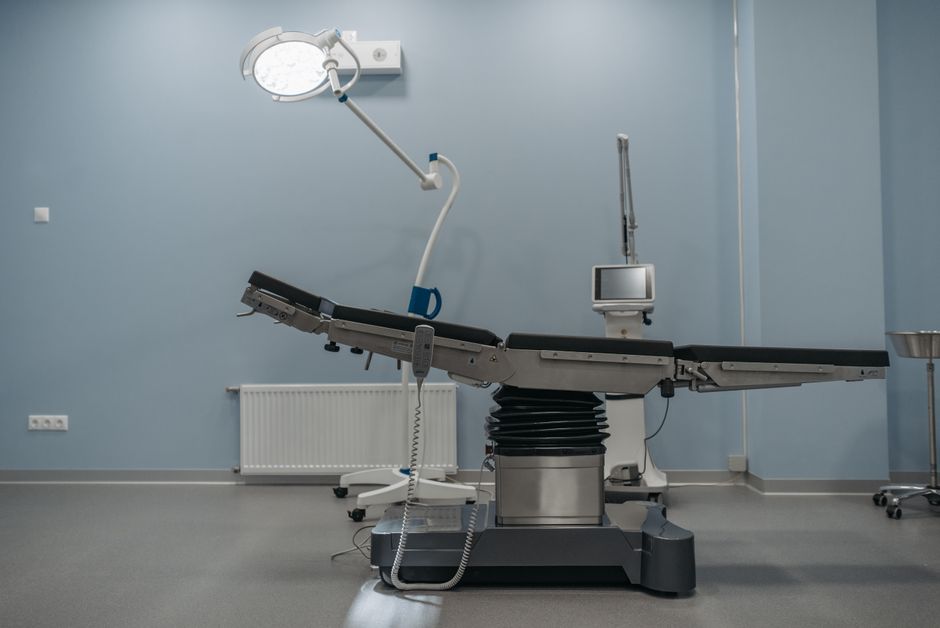
When it comes to chronic pain relief Phoenix, the landscape of treatment options has evolved dramatically. We are proud to offer cutting-edge, minimally invasive procedures that provide significant relief with numerous advantages over traditional surgical methods. These advanced techniques mean less downtime, reduced risks, and often a faster recovery, allowing you to get back to your life sooner.
Minimally invasive procedures typically involve smaller incisions, less trauma to surrounding tissues, and precise targeting of the pain source. This precision leads to better outcomes and a more comfortable recovery experience for our patients across the Greater Phoenix Area, including Mesa, Gilbert, Scottsdale, and Glendale.
Cutting-edge Treatments for Chronic Pain Relief in Phoenix
Our clinic provides a wide range of state-of-the-art treatments designed to tackle even the most stubborn chronic pain conditions. Here are some of the advanced options we offer:
- Interventional Injections: These are a cornerstone of pain management, delivering medication directly to the source of pain.
- Epidural Steroid Injections: Used for various types of back and neck pain, especially those caused by disc herniation or spinal stenosis, by reducing inflammation around spinal nerves.
- Facet Joint Injections: Target the small joints connecting your vertebrae, often a source of mid-back pain Chandler, Mesa, Scottsdale, Phoenix, Glendale and neck pain Chandler, Mesa, Scottsdale, Phoenix, Glendale due to arthritis.
- Sacroiliac (SI) Joint Injections: Address pain originating from the SI joint, which connects the spine to the pelvis. More info about SI joint pain Chandler, Mesa, Scottsdale, Phoenix, Glendale.
- Nerve Blocks: Injections that temporarily block pain signals from specific nerves, often used for diagnostic purposes or short-term relief. This includes medial branch blocks, sympathetic nerve blocks, and occipital nerve blocks.
- Radiofrequency Ablation (RFA): After a successful nerve block, RFA can provide longer-lasting relief. This procedure uses heat generated by radio waves to disrupt the nerve’s ability to send pain signals, particularly effective for chronic low back pain Chandler, Mesa, Scottsdale, Phoenix, Glendale and neck pain Chandler, Mesa, Scottsdale, Phoenix, Glendale stemming from facet joints.
- Spinal Cord Stimulator (SCS) Implants: For patients with severe, chronic pain who haven’t found relief with other treatments, especially those with failed back surgery syndrome or complex regional pain syndrome. SCS devices send mild electrical pulses to the spinal cord, interrupting pain signals before they reach the brain. We have performed over 10,291 spinal cord stimulator procedures.
- Regenerative Medicine: These innovative therapies leverage the body’s natural healing power. Biologics-based therapies, such as Platelet-Rich Plasma (PRP) therapy, use your own blood components to promote tissue repair, reduce inflammation, and alleviate pain in conditions like arthritis or tendon injuries. We have performed over 1,429 biologics-based procedures.
- Vertiflex Procedure for Spinal Stenosis: A minimally invasive option for lumbar spinal stenosis, this procedure involves implanting a small device to keep the spinal canal open, relieving pressure on nerves and improving mobility.
- Other Minimally Invasive Procedures: Our comprehensive offerings also include procedures like Kyphoplasty and Vertebroplasty for compression fractures, MILD (Minimally Invasive Lumbar Decompression) for spinal stenosis, Percutaneous Discectomy for herniated discs, and Tenex for tendon pain. We also offer solutions for knee pain Chandler, Mesa, Scottsdale, Phoenix, Glendale and hip pain Chandler, Mesa, Scottsdale, Phoenix, Glendale.
These are just some examples of the advanced tools our double board-certified physicians use to provide effective chronic pain relief Phoenix. Our goal is to offer you a personalized solution that gets you back to doing what you love with minimal discomfort and maximum recovery.
How to Choose the Right Pain Management Clinic in Phoenix
Finding the right clinic for chronic pain relief Phoenix is a critical decision that can significantly impact your journey to recovery. With many options available, knowing what to look for can help you make an informed choice that aligns with your needs and goals.
When evaluating a pain management clinic, consider these essential factors:
- Board-Certified Physicians: Ensure the physicians are board-certified in pain management or a related specialty like Physical Medicine and Rehabilitation (PM&R) or Anesthesiology. This certification indicates a high level of expertise and commitment to the field. Our team, for example, consists of double board-certified physicians.
- Evidence-Based Care: The clinic should rely on treatments and procedures supported by scientific research and clinical evidence. This ensures you receive the most effective and safest care available.
- Positive Patient Testimonials and Reviews: Hearing from other patients can provide valuable insights into the clinic’s approach, the effectiveness of their treatments, and the quality of their patient care. Look for testimonials that speak to compassionate care, clear communication, and positive outcomes.
- Comprehensive and Multidisciplinary Approach: As discussed, the best outcomes often come from clinics that offer a range of treatments and integrate different specialties, addressing the physical, emotional, and functional aspects of pain.
- Focus on Root Cause: A good clinic will aim to diagnose and treat the underlying cause of your pain, rather than just masking symptoms with medication.
Finding the Best Specialist for Chronic Pain Relief in Phoenix
Once you’ve identified a few potential clinics, the next step is to engage with them to determine the best fit.
- The Consultation Process: A thorough initial consultation is crucial. The specialist should take the time to listen to your history, understand your pain, and conduct a detailed physical examination. This is your opportunity to assess their communication style and your comfort level.
- In-depth Diagnostic Evaluation: Expect a comprehensive evaluation that may include advanced imaging (MRI, X-rays), nerve studies, and diagnostic injections to precisely identify the source of your pain. A clear diagnosis is the foundation of an effective treatment plan.
- Verifying Insurance Acceptance: Before committing to treatment, always verify that the clinic accepts your insurance plan. We accept most insurance plans, and we encourage you to check with our office manager to see if your specific plan is accepted. This helps avoid unexpected out-of-pocket costs.
- How Treatment Plans are Personalized: Ask how the clinic tailors treatment plans. A good pain management specialist will explain how they develop an individualized strategy based on your diagnosis, medical history, lifestyle, and personal goals, rather than offering a generic approach.
Key Questions to Ask Your Potential Pain Specialist
To ensure you’re making the best choice for your chronic pain relief Phoenix, here are some key questions to ask during your consultation:
- What is your approach to pain management? Look for a focus on comprehensive, multidisciplinary, and evidence-based care that prioritizes finding the root cause.
- How do you diagnose the root cause of pain? Understand the diagnostic tools and processes they use.
- What are my non-medication options for pain relief? Inquire about interventional procedures, physical therapy, chiropractic care, and other non-pharmacological treatments.
- How do you personalize treatment for your patients? Listen for details about how they tailor plans to individual needs, rather than a one-size-fits-all model.
- What are the potential risks and benefits of the recommended treatments? A transparent specialist will discuss all aspects of proposed therapies.
- What is your experience with my specific condition? Inquire about their track record with conditions similar to yours.
By asking these questions, you’ll gain confidence in your chosen pain management provider and start on a path toward effective chronic pain relief Phoenix.
Frequently Asked Questions about Chronic Pain Management
We understand that navigating chronic pain can bring up many questions. Here, we address some of the most common inquiries we receive from patients seeking chronic pain relief Phoenix.
What is the difference between acute and chronic pain?
The primary difference between acute and chronic pain lies in its duration and purpose:
- Acute Pain: This type of pain is typically sudden, sharp, and short-lived, usually lasting less than three months. It’s the body’s natural warning system, signaling injury, illness, or tissue damage. Once the underlying cause is resolved or healed, acute pain typically subsides. Examples include a sprained ankle or a cut.
- Chronic Pain: In contrast, chronic pain persists for three months or longer, often beyond the normal healing period. Unlike acute pain, it may not serve a protective purpose and can become a condition in itself, impacting physical and emotional well-being long after the initial injury has healed (or even without an obvious initial injury).
The duration is the key differentiator, but also the role. Acute pain is a symptom, while chronic pain can become a disease.
Do I need a referral to see a pain specialist in Phoenix?
Whether you need a referral to see a pain specialist in Phoenix can vary.
- Clinic Policy: Some pain management clinics may require a referral from a primary care physician or another medical provider. This ensures a coordinated approach to your care.
- Insurance Plan: Your specific insurance plan might dictate whether a referral is necessary to cover specialist visits. Many HMO plans, for instance, require a referral from your primary care doctor.
- Self-Referral: Other clinics, including Pain Arizona, may allow you to schedule an appointment directly without a referral. However, it is always best to check with your insurance provider first to understand your benefits and coverage requirements.
We always recommend contacting our office directly to clarify our current referral policies and to verify your insurance coverage. Our team is here to help guide you through the process.
Are interventional pain treatments a permanent fix?
Interventional pain treatments, such as injections, radiofrequency ablation, or spinal cord stimulators, are highly effective tools for chronic pain relief Phoenix, but they are generally not considered a “permanent fix” for all conditions.
- Goal of Treatment: The primary goal of these treatments is to provide significant, long-term pain relief, improve function, and improve your quality of life. For many patients, they can offer relief that lasts for months or even years.
- Part of a Comprehensive Plan: Often, interventional treatments are part of a broader, multidisciplinary management plan. This means they are used in conjunction with physical therapy, lifestyle modifications, and sometimes behavioral health support to achieve the best and most sustainable outcomes. They can break the pain cycle and create a window of opportunity for rehabilitation.
- Varying Durations: The duration of relief can vary depending on the specific procedure, the underlying condition, and individual patient factors. Some treatments might need to be repeated periodically to maintain their effect.
While a “permanent fix” might be elusive for complex chronic pain conditions, interventional treatments offer powerful and lasting relief that can dramatically improve your daily life and help you regain control over your pain.
Conclusion: Reclaim Your Life from Chronic Pain
Living with chronic pain in Phoenix doesn’t have to be your permanent reality. As we’ve explored, effective, personalized treatments are available right here in the Greater Phoenix Area. The key to lasting chronic pain relief Phoenix lies in understanding the causes of your pain, recognizing when to seek expert help, and embracing a comprehensive, multidisciplinary approach to care.
Our team of double board-certified physicians at Pain Arizona is dedicated to providing compassionate, evidence-based care. We focus on identifying and treating the root cause of your pain, not just managing symptoms. With advanced, minimally invasive procedures and a commitment to whole-person care, we empower you to break free from the cycle of chronic pain and get back to living your life to the fullest.
Don’t let pain dictate your life any longer. Take the first step toward a more comfortable, active future. Learn more about our advanced treatments for low back pain and schedule your consultation today.