
How Phoenix Specialists Help You Stand Tall After a Spine Fracture
When Your Back Breaks: What Phoenix Patients Need to Know About Spine Fracture Care
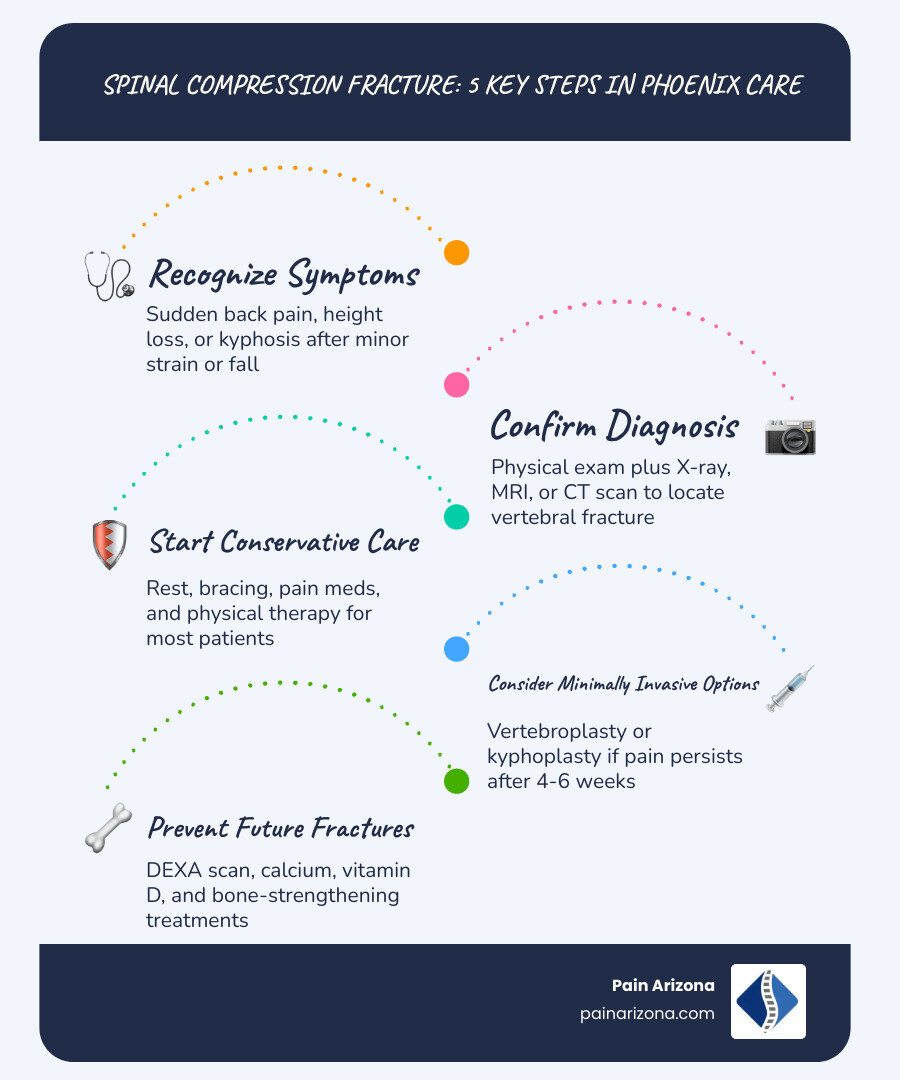
Spine fracture management in Phoenix is more accessible — and more effective — than many patients realize. If you’re dealing with sudden back pain, height loss, or a hunched posture, here’s what you need to know right away:
Quick Answer: How Are Spinal Fractures Managed in Phoenix?
- Diagnosis — Physical exam followed by imaging (X-ray, MRI, or CT scan)
- Non-surgical care — Rest, back brace, pain medications, physical therapy, and injections
- Minimally invasive procedures — Vertebroplasty or kyphoplasty for fractures that don’t respond to conservative care
- Surgery — Recommended only when instability or nerve damage is present
- Osteoporosis management — DEXA scans and bone health treatment to prevent future fractures
Most compression fractures heal within two to three months with the right care. And over 750,000 Americans suffer a vertebral compression fracture every year — yet only one in three is properly diagnosed. That means many people in pain are left without answers, or worse, told it’s just muscle strain.
You don’t have to be one of them.
Back pain is one of the most common — and most misunderstood — health problems in America. A compression fracture can happen from something as minor as a sneeze or a slight bend forward, especially when osteoporosis has quietly weakened your bones over time. For Phoenix patients, the desert-active lifestyle, aging population, and high rates of osteoporosis-related conditions all make spinal fractures a real and serious concern.
I’m Dr. Nasser — a double board-certified PM&R and pain medicine physician with experience in spine fracture management in Phoenix, including minimally invasive interventions, fluoroscopy-guided procedures, and comprehensive pain care at Pain Arizona. In the sections below, I’ll walk you through everything you need to know about getting the right diagnosis and the most effective treatment for your situation.
Understanding Spinal Compression Fractures: Causes, Symptoms, and Diagnosis
To understand how we treat a fractured spine, we first have to look at the anatomy of the spinal column. Your spine is made up of 33 individual bones called vertebrae, which are stacked neatly on top of one another. The thick, drum-shaped front portion of each vertebra is called the vertebral body.
When a spinal compression fracture occurs, this vertebral body collapses under stress. In most cases, it takes the shape of a wedge—where the front of the bone collapses while the back remains relatively intact. This structural change is why patients with multiple compression fractures often develop a hunched posture (known as kyphosis) and experience a noticeable loss of height over time.
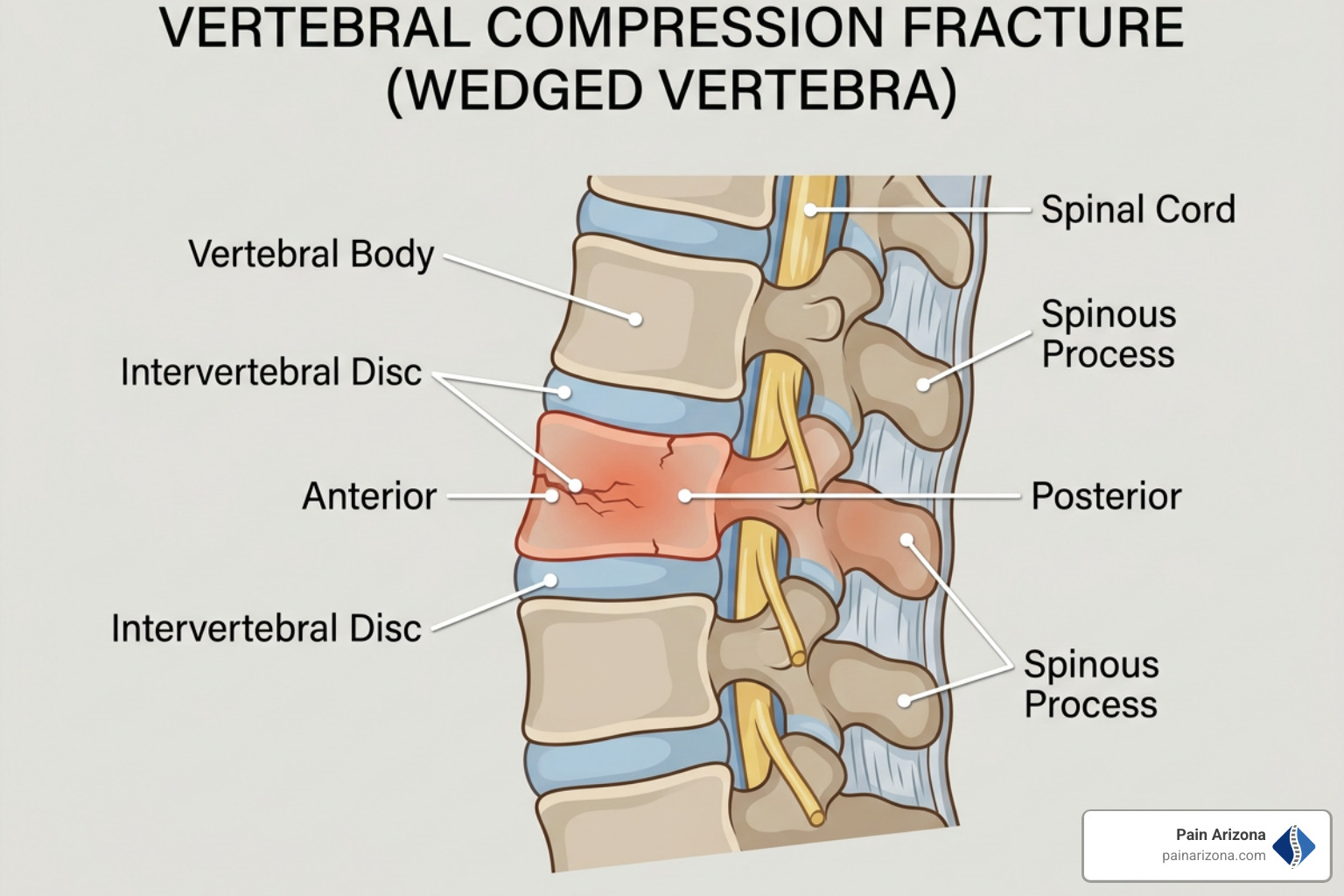
These fractures most commonly occur in the thoracic spine (the middle back) and the lumbar spine (the lower back). While some fractures cause sudden, excruciating back pain, others develop so gradually that patients mistake them for general aging or a simple muscle strain. If you want to understand the underlying mechanisms of this condition better, you can read A Comprehensive Guide to Compression Fracture Causes.
Common Causes of Spinal Fractures in Phoenix Patients
In our Phoenix clinics, we see spinal fractures occur across a wide demographic of patients. The root causes generally fall into two categories: low-impact bone insufficiency and high-impact physical trauma.
- Osteoporosis and Aging: This is by far the most common cause. As we age, our bones naturally lose density and become more fragile. In post-menopausal women and older adults, osteoporosis can weaken the vertebrae to the point where they can no longer support the weight of the body. In severe cases, a fracture can be triggered by everyday activities like bending over to tie a shoe, lifting a light grocery bag, or coughing.
- Traumatic Injuries: High-impact forces can fracture even the healthiest bones. In the Phoenix Area, we frequently treat traumatic fractures resulting from car accidents on our busy freeways, falls from ladders or roofs during home maintenance, and sports-related injuries.
- Pathological Conditions: Less frequently, fractures are caused by underlying medical conditions that weaken the bone structure, such as bone infections or metastatic tumors (cancer that has spread to the spine).
The Critical Role of Osteoporosis Management
You cannot talk about spine fracture management Phoenix without talking about bone density. Osteoporosis is often called a “silent disease” because it has no symptoms until a bone actually breaks. According to the National Institutes of Health, bone loss occurs silently over many years, often without any warning signs until a fracture occurs.
Suffering just one osteoporotic vertebral compression fracture increases your risk of suffering another one fivefold. This is why we place a massive emphasis on preventative bone health. Managing osteoporosis involves:
- DEXA Scans: Dual-energy X-ray absorptiometry (DEXA) is the gold standard for measuring bone mineral density and identifying osteoporosis before a fracture occurs.
- Nutritional Support: Ensuring adequate daily intake of calcium and Vitamin D to keep the bone matrix strong.
- Weight-Bearing Exercises: Safe, supervised physical therapy to stimulate bone remodeling.
- Medical Therapy: Utilizing bone-building or bone-preserving medications under the guidance of a specialist.
How Phoenix Specialists Diagnose Spinal Fractures
A proper diagnosis is the foundation of any successful treatment plan. When a patient visits one of our locations in Phoenix, Mesa, Gilbert, Scottsdale, or Glendale with suspected spinal issues, we begin with a comprehensive physical examination. We look for localized tenderness along the spine, evaluate your range of motion, check for visible postural changes, and perform a detailed neurological exam to see if any nerves are compressed.
To confirm the diagnosis and assess the age and severity of the fracture, we utilize advanced imaging tests:
- X-rays: The initial step to visualize the alignment of the spine and identify any obvious vertebral height loss.
- MRI Scans: Crucial for determining if a fracture is “acute” (new and still healing, which typically shows bone edema or swelling) or “chronic” (old and already healed). This distinction is vital because treatments like kyphoplasty only work on acute, unhealed fractures.
- CT Scans: Excellent for viewing the detailed bony architecture and ensuring the spinal canal is not compromised by bone fragments.
- Nuclear Bone Scans: Used when an MRI cannot be performed to pinpoint areas of active bone turnover.
For a deeper dive into what happens during this diagnostic phase, check out our Vertebral Compression Fracture Guide.
Comprehensive Spine Fracture Management Phoenix
Once we have a clear picture of the fracture, we design a personalized care plan. Our philosophy at Pain Arizona is conservative-first. We believe in using the least invasive treatment options that are clinically effective before considering surgical procedures.
By combining the expertise of double board-certified physicians, we offer a full spectrum of interventional options at our Pain Management Phoenix clinics.
Non-Surgical Spine Fracture Management Phoenix Options
For many patients, especially those with stable fractures and manageable pain, conservative care is highly effective. Non-surgical options are designed to control pain, stabilize the spine, and allow the bone to heal naturally over its typical two-to-three-month recovery timeline.
- Activity Modification: We advise patients to avoid heavy lifting, twisting, or bending, but we discourage prolonged bed rest, which can actually worsen bone loss and weaken supporting muscles.
- Temporary Bracing: Wearing a specialized back brace can provide external support, limit painful movement, and take the pressure off the healing vertebra.
- Medication Management: This includes short-term pain relievers, anti-inflammatories, and muscle relaxants.
- Targeted Injections: If the fracture has caused surrounding muscle spasms or joint inflammation, we can perform fluoroscopically guided injections, such as epidural steroid injections or facet joint blocks, to calm the irritated area.
- Physical Therapy: Once the acute pain subsides, structured physical therapy helps restore core strength, improve flexibility, and teach safe body mechanics to prevent future injuries.
These conservative steps are often the key to finding Chronic Pain Relief AZ without needing to step foot in an operating room.
Managing Traumatic vs. Osteoporotic Fractures
The way we manage a spinal fracture depends heavily on how the injury occurred and the underlying health of the patient’s bones.
| Feature | Traumatic Spinal Fractures | Osteoporotic Compression Fractures |
|---|---|---|
| Primary Cause | High-impact accidents (car crashes, sports, major falls) | Low-impact stress on weakened bones (bending, coughing) |
| Bone Quality | Typically healthy, dense bone prior to injury | Weakened, porous bone structure (osteoporosis) |
| Associated Injuries | Often accompanied by soft tissue, ligament, or nerve damage | Rarely involves surrounding ligament tears |
| Primary Treatment Goal | Spinal stabilization and preserving neurological function | Pain relief, restoring vertebral height, and bone density care |
| Surgical Likelihood | Higher rate of stabilization surgery (rods, screws) | Mostly managed with conservative care or kyphoplasty |
While a traumatic fracture in a young patient may require immediate structural stabilization to protect the spinal cord, an osteoporotic fracture in an elderly patient requires a dual approach: relieving the immediate pain of the broken bone and aggressively treating the underlying osteoporosis to protect the rest of the skeletal frame.
Minimally Invasive and Surgical Interventions
When conservative therapies fail to provide adequate pain relief after a few weeks, or if the pain is so severe that it prevents a patient from moving, we look to minimally invasive procedures. These modern interventions have revolutionized spine fracture management Phoenix, allowing patients to avoid major open surgeries and return to their active lives much faster.
Minimally Invasive Spine Fracture Management Phoenix Procedures
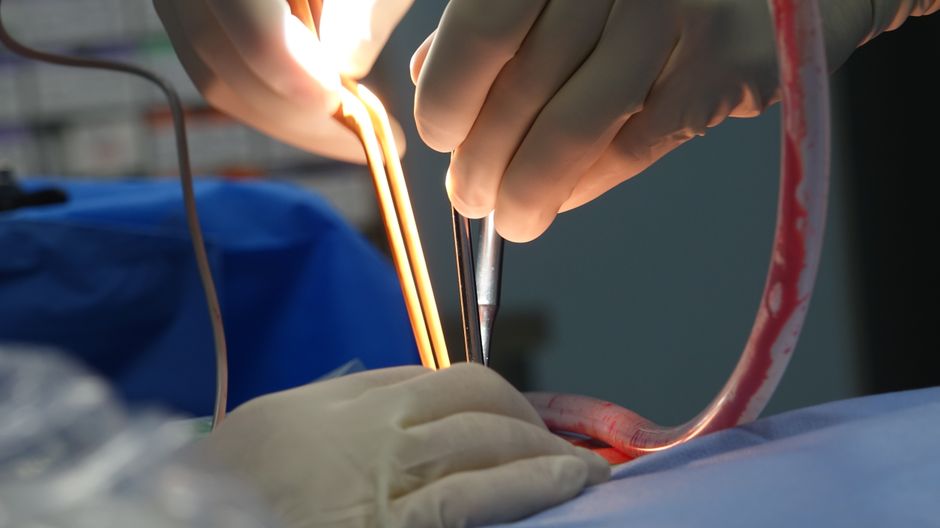
The two most common minimally invasive procedures for treating compression fractures are vertebroplasty and kyphoplasty. Both are outpatient procedures performed under local anesthesia and light sedation, meaning patients go home the very same day.
- Vertebroplasty: Under real-time X-ray guidance (fluoroscopy), a doctor inserts a small, hollow needle called a trocar directly into the fractured vertebral body. Once positioned, medical-grade bone cement is injected under high pressure. The cement hardens in about 15 minutes, acting as an internal cast that glues the fractured bone fragments together, stabilizes the vertebra, and instantly reduces pain.
- Kyphoplasty: This is a slightly more advanced version of vertebroplasty. Before injecting the cement, the doctor inserts a small balloon through the trocar and inflates it inside the collapsed bone. This balloon creates a cavity and helps restore some of the lost vertebral height, correcting the “wedge” shape. The balloon is then deflated and removed, and the remaining cavity is filled with bone cement under lower pressure, which reduces the risk of cement leakage.
These treatments are highly effective. Many patients report a dramatic, near-instantaneous reduction in their back pain before they even leave the recovery room. To explore how these procedures fit into the broader landscape of modern spine care, read more about Minimally Invasive Spine Surgery and get All About Minimally Invasive Spine Surgery.
When is Traditional Spine Surgery Recommended?
While we always prefer the least invasive route, there are certain situations where traditional open spine surgery is necessary. Surgery is typically recommended if:
- There is significant spinal instability that cannot be corrected with a brace or cement.
- The patient is experiencing progressive neurological deficits (such as numbness, tingling, or weakness in the legs) caused by bone fragments pressing on the spinal cord or nerve roots.
- The fracture is associated with a severe spinal cord injury.
In these complex cases, surgical procedures like a laminectomy (to decompress the nerves) or spinal fusion (using rods, screws, and bone grafts to lock the vertebrae together) may be required. If you are facing the possibility of a larger procedure, our guide on Back Surgery Explained: Your Comprehensive Guide to Options and Outcomes can help demystify what to expect.
Recovery Timeline and Frequently Asked Questions
The road to recovery after a spinal fracture is highly individual, but having a general roadmap can help you plan your return to daily activities.
- Days 1–7 Post-Procedure: If you undergo a minimally invasive procedure like kyphoplasty, your procedural pain should improve dramatically within 24 to 48 hours. You may have some mild soreness at the needle insertion site, which can be managed with ice packs.
- Weeks 2–6: This is the critical window for healing. Whether you had a procedure or are treating the fracture conservatively, you will focus on light walking and avoiding any bending, lifting, or twisting. Physical therapy often begins during this phase to gently rebuild supporting muscles.
- Months 2–3: By this point, the bone has typically completed its primary healing and remodeling phase. Most patients can gradually return to their normal activities, including low-impact exercises, under the guidance of their care team. To learn more about what to expect during this phase, read about Minimally Invasive Spine Surgery Recovery Time.
What to Expect During and After Vertebroplasty or Kyphoplasty
If you and your doctor decide on vertebroplasty or kyphoplasty, the process is straightforward and designed for patient comfort:
- Before the procedure: You will be positioned comfortably face down on the procedure table. We will administer local anesthesia to numb the skin and subcutaneous tissue, along with light intravenous sedation to keep you relaxed.
- During the procedure: Using live X-ray guidance, we precisely position the needle. The bone cement is carefully mixed and injected. The entire process takes about 30 to 45 minutes per vertebra.
- After the procedure: You will rest in our recovery room (PACU) for about an hour while the cement fully cures and the sedation wears off. You will need a companion to drive you home. We recommend resting for the remainder of the day, but you can gradually resume light walking the next morning.
Do spinal compression fractures ever fully heal?
Yes, spinal compression fractures do fully heal! With appropriate rest, bracing, and medical care, the bone will remodel and stabilize. However, because the bone has collapsed, it will heal in its new, slightly shorter shape.
This is why early intervention is so critical—the sooner we can diagnose and treat a fracture, the better chance we have of preserving your vertebral height and spinal alignment.
How serious is a compression fracture of the spine?
A compression fracture is a serious medical condition that should never be ignored. Beyond the immediate, debilitating pain, an untreated fracture can lead to a cascade of long-term health issues:
- Chronic Pain: Persistent, localized back pain that limits your mobility.
- Deformity: A progressive hunched posture (kyphosis) that can affect your balance and increase your risk of falls.
- Systemic Issues: Severe kyphosis can compress your chest and abdominal cavities, leading to breathing difficulties, digestive issues, and early satiety.
- Increased Fracture Risk: Leaving the underlying cause (like osteoporosis) untreated leaves the rest of your spine highly vulnerable to subsequent breaks.
When should I see a pain specialist in Phoenix for back pain?
You should schedule an evaluation with a pain specialist immediately if you experience:
- Sudden, severe back pain after a seemingly minor movement (like bending, lifting, or coughing).
- Back pain that worsens significantly when standing or walking and improves when lying down flat.
- A noticeable loss of height or a change in your posture.
- Any neurological symptoms, such as pain traveling down your legs, numbness, tingling, or weakness.
Conclusion
At Pain Arizona, we understand how a spinal fracture can suddenly disrupt your life, making even the simplest daily tasks feel monumental. Led by our double board-certified physicians, our team is dedicated to providing compassionate, evidence-based, and minimally invasive care across the Greater Phoenix Area. We don’t just treat the symptoms—we work to address the root cause of your pain and help you rebuild your bone health so you can stand tall and live active, pain-free lives.
We accept most insurance plans to ensure our patients have access to the high-quality care they deserve. Please check with our office manager to see if your specific plan is accepted.
Don’t let spinal pain keep you on the sidelines. Schedule a consultation for vertebral compression fracture treatment with Pain Arizona today, and let us help you take your first steps toward lasting recovery.