
Lower back pain and physiotherapy: 1st Step to Relief
Why Lower Back Pain and Physiotherapy Go Hand in Hand
Lower back pain and physiotherapy are closely connected, as physical therapy is a leading evidence-based treatment for managing and preventing back pain. It can help you by:
- Reducing pain and disability through targeted exercises and hands-on techniques.
- Teaching you exercises that address weakness, stiffness, and movement problems.
- Helping you stay active and avoid reliance on medication or surgery.
- Preventing future episodes by strengthening your core and improving posture.
- Addressing the root causes of your pain, not just the symptoms.
If you’ve dealt with an ache at the base of your spine, you’re not alone—roughly eight in 10 Americans experience back pain. The good news is that the World Health Organization identifies back pain as the condition with the most rehabilitation success stories. Physical therapy works by getting you moving correctly, building strength, and teaching you how to protect your back.
Our increasingly sedentary lifestyles contribute to this problem, as prolonged sitting weakens core muscles and pressures spinal discs. However, research shows that exercise combined with education can significantly reduce the risk of low back pain.
I’m Dr. Nasser, Chief Medical Officer at Pain Arizona, and I’ve spent my career helping patients across the Greater Phoenix area find lasting relief through evidence-based treatments like physiotherapy. Our team combines advanced interventions with comprehensive rehabilitation to address the root causes of your pain, not just mask the symptoms.
Whether your pain is recent or chronic, physiotherapy offers a path to taking control of your recovery, understanding your body, and learning the tools to move and feel better every day.
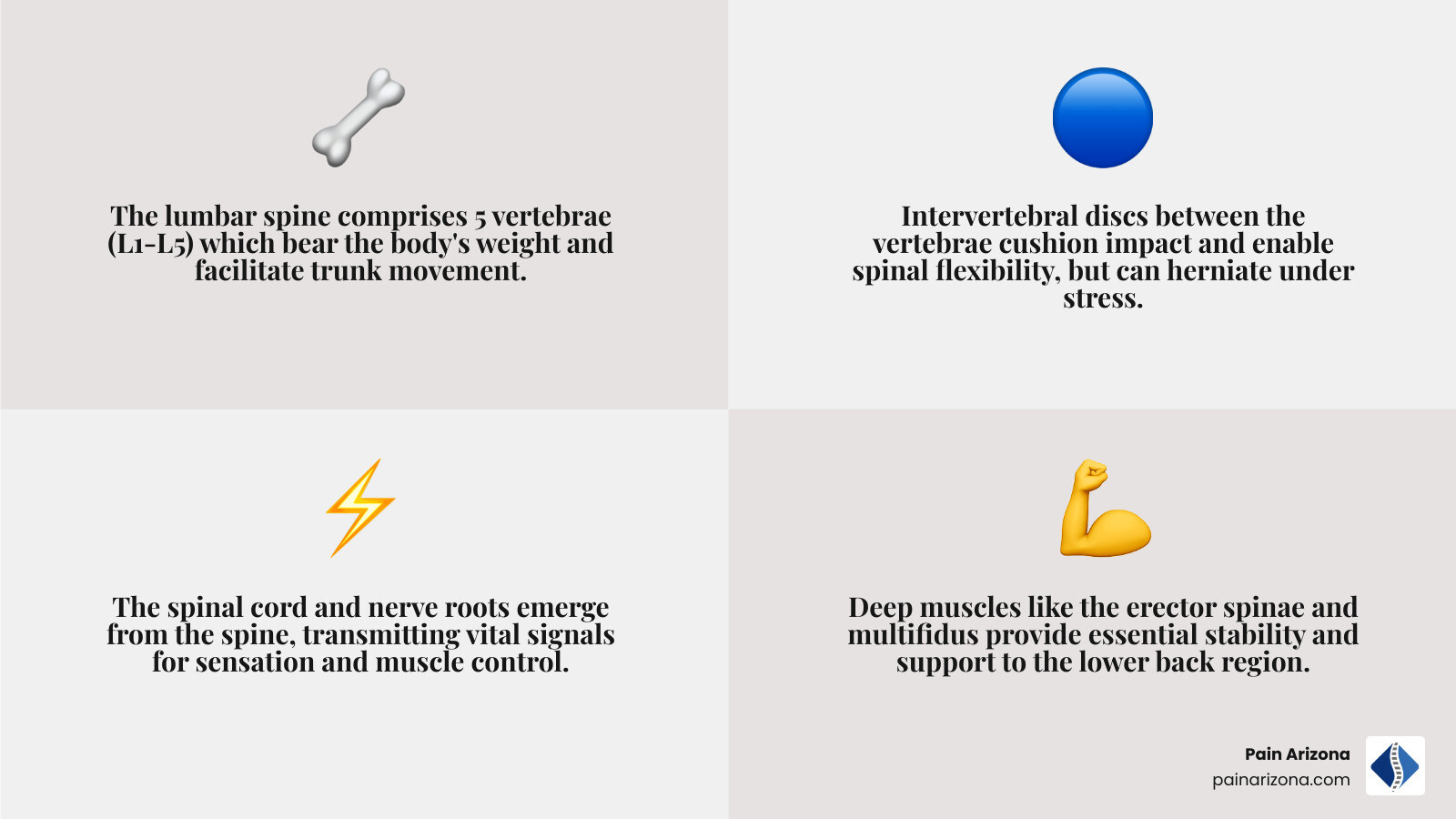
Understanding Your Pain: When to Seek Professional Help
Not all back pain is the same, and understanding your symptoms is the first step toward relief. Here are the types of lower back pain and physiotherapy can address.
Duration of Pain:
- Acute lower back pain appears suddenly and lasts less than six weeks. It often results from a specific incident like twisting wrong and usually responds well to conservative care.
- Chronic lower back pain persists for 12 weeks or more. It is often more complex, and this is where the structured approach at Pain Arizona makes a significant difference.
Type of Pain:
- Axial back pain is a deep, aching sensation that remains localized in your lower back.
- Radicular pain (sciatica) travels from your lower back down the leg. This occurs when a nerve root is compressed, causing tingling, numbness, weakness, or sharp pain.
Common Causes: Pain often stems from muscle strain, disc problems like a herniated or degenerative disc, or spinal stenosis, a narrowing of the spinal canal that pressures nerves.
When to See a Physiotherapist
You should seek help with lower back pain and physiotherapy if your pain lasts more than a few weeks, interferes with daily life, includes radiating symptoms (tingling, numbness, weakness), or worsens despite home care.
For residents across the Greater Phoenix Area, our team is ready to help with Lower Back Pain Chandler Mesa Scottsdale Phoenix Glendale.
Red flag symptoms require immediate medical attention. These include sudden, severe pain after an injury, back pain with fever or unexplained weight loss, loss of bowel or bladder control, or progressive leg weakness. If you experience these, seek prompt medical evaluation. For all other persistent back pain, our team at Pain Arizona can provide a thorough assessment and personalized treatment plan.
The Goals and Science Behind Lower Back Pain and Physiotherapy
When you start lower back pain and physiotherapy at Pain Arizona, you begin a journey toward lasting relief backed by science.
What are the Primary Goals of Physical Therapy for Lower Back Pain?
Our primary goals are to reduce your pain and improve your function, getting you back to the activities that matter. We also focus on increasing flexibility and range of motion to loosen a stiff lower back. By building strength and endurance in your core, hips, and legs, we create a natural support system for your spine. Most importantly, we are committed to long-term prevention by teaching you proper body mechanics and creating a sustainable home exercise program.
This hands-on, comprehensive approach is central to our philosophy, as you can read more about in our focus on Physical Therapy A Hands-On Approach To Pain Relief.
How Effective is Physical Therapy?
The research is incredibly strong. Studies show physical therapy can provide up to 60% improvement in lower back pain, and the WHO notes that back pain has the most rehabilitation success stories worldwide.
The Biopsychosocial Model: A Holistic View of Pain
We know pain isn’t just physical; it’s influenced by your thoughts, emotions, and life circumstances. This is the biopsychosocial model. A cornerstone of our approach is pain education, which makes pain less frightening by explaining how it works. We also help you overcome fear-avoidance—the natural tendency to stop moving when you hurt, which can worsen pain over time. We guide you through safe, progressive exercises that rebuild confidence and prove that movement is medicine.
Our approach is grounded in the latest clinical guidelines, including the WHO guideline for non-surgical management of chronic primary low back pain, ensuring you receive the most current, effective strategies.
The Core Components of Your Physiotherapy Program
At Pain Arizona, your lower back pain and physiotherapy program puts you in the driver’s seat. Lasting relief comes from active participation. We focus on teaching you self-management strategies—exercises, body awareness, and strength-building—to give you independent control over your pain for life.
Patient Education as a Cornerstone
Before prescribing exercises, we explain what’s happening in your back and why certain movements help. Understanding the “why” behind your treatment is crucial for motivation and success. This education transforms physical therapy into an active partnership.
Our programs emphasize Exercise-Based Rehab Strengthening For Long-Term Relief, building the resilience needed to prevent future pain. We focus on preventing tomorrow’s problems, not just treating today’s symptoms.
The Foundation: Core and Lumbar Stabilization
Your core is the entire muscular system around your trunk that creates a natural brace for your spine. A weak core forces your lower back to work overtime, leading to strain and pain. Core strengthening improves spinal stability and reduces pain.
Our core stabilization exercises include movements like pelvic tilts, the bird-dog exercise, and planks. Lumbar stabilizing exercises target the deep muscles that control your lower spine. We also incorporate movement control exercises to retrain faulty movement patterns caused by chronic pain. Research shows these exercises can significantly reduce both disability and pain intensity.
Getting You Moving: Aerobic and Postural Training
Movement is medicine for your back. Aerobic exercise increases circulation, delivering oxygen to spinal tissues and helping stiff muscles become more mobile. It also releases endorphins, your body’s natural pain relievers.
We recommend low-impact options like walking, stationary biking, elliptical training, or aquatic therapy. Postural training is another crucial piece. We assess how you sit, stand, and move, then help you make ergonomic adjustments to your workspace and daily life. We teach you how to move, lift, and sit in ways that protect your spine, such as taking hourly stretch breaks. The Mayo Clinic offers excellent guidance on Back exercises in 15 minutes a day that integrate well into daily routines.
Hands-On Techniques in Physiotherapy for Lower Back Pain
While active exercise is key, our physical therapists also use hands-on techniques to facilitate recovery.
- Spinal Mobilization and Manipulation: These techniques involve controlled movements applied to spinal joints to restore motion, reduce stiffness, and alleviate pain. Our therapists are specially trained in Manual Therapy Precision Care For Pain Reduction.
- Soft Tissue Massage: Therapeutic massage helps reduce muscle tension, improve circulation, and prepare your muscles for exercise.
- The McKenzie Method: This assessment approach identifies your pain’s response to specific movements, helping us find your “directional preference” (the movement that brings relief). This allows for highly targeted exercises.
Physical therapy is often most effective when combined with other treatments guided by our double board-certified physicians. This may include short-term medication for flare-ups or lumbar epidural steroid injections to reduce inflammation. For some, combining physical therapy with Chiropractic Adjustments Realigning For Better Spinal Health offers added benefits. We also leverage emerging technologies like mobile apps to monitor progress. The key is a coordinated care plan that gives you the best chance at lasting relief.
Tailoring Exercises for Specific Lower Back Conditions
One of the most important aspects of effective lower back pain and physiotherapy is recognizing that there’s no one-size-fits-all solution. Your pain is as unique as you are, and your treatment plan should reflect that. This is why an accurate diagnosis is so crucial to your recovery.
At Pain Arizona, we understand that different spinal conditions respond better to different types of movement. What helps someone with a herniated disc might actually worsen symptoms for someone with spinal stenosis. That’s why our team takes the time to thoroughly assess your condition before prescribing any exercises.
What specific exercises are recommended for different types of lower back pain?
Let’s look at two common conditions that require very different approaches:
For Herniated Discs, we typically focus on extension-based exercises. Think of a herniated disc like a jelly donut that’s been squeezed—the inner gel pushes out through a tear in the outer layer. Extension movements (bending backward) can help push that disc material back toward the center and away from irritated nerves.
The key concept here is directional preference. Many patients with disc problems find that certain movements make their pain better or worse. If you notice your leg pain decreases when you arch your back, that’s valuable information. We use this feedback to guide your exercise program. Generally, we’ll teach you to avoid forward flexion (bending forward at the waist) during the acute phase, as this can increase pressure on the disc and worsen symptoms.
Press-up exercises, where you lie on your stomach and gently push your upper body up while keeping your hips on the floor, are a classic example of an extension-based exercise. For more advanced treatment options, we also offer Spinal Decompression Therapy Easing Pressure On The Spine, which can complement your exercise program.
For Spinal Stenosis, the approach is almost opposite. Spinal stenosis involves a narrowing of the spinal canal, which puts pressure on nerves. These patients typically feel worse with extension (standing upright or arching backward) and better with flexion (bending forward or sitting).
This is why people with stenosis often notice they can walk farther when leaning on a shopping cart—the forward-leaning position opens up the spinal canal slightly. We design programs around flexion-based exercises like knee-to-chest stretches, which help relieve pressure on the nerves. We also teach patients to avoid excessive extension movements that could narrow the canal further.
| Condition | Recommended Exercise Principles | Movements to Avoid |
|---|---|---|
| Herniated Discs | Extension-based exercises (press-ups, standing back bends); Directional preference exercises; Core stabilization | Forward flexion (toe touches, sit-ups with straight legs) during acute phase |
| Spinal Stenosis | Flexion-based exercises (knee-to-chest, pelvic tilts); Neutral spine positions; Low-impact aerobic exercise | Excessive extension (overhead reaching, prolonged standing) |
Physiotherapy for Sciatica, Post-Surgery, and Pregnancy
Sciatica, which causes radiating pain down the leg, requires its own specialized approach. While sciatica can be caused by a herniated disc, it can also result from other issues like piriformis syndrome or spinal stenosis. We use nerve gliding exercises (also called nerve flossing) to help the sciatic nerve move more freely through the tissues. These gentle movements can reduce irritation and improve mobility. Just like with disc problems, we pay close attention to your directional preference—some people feel better with flexion, others with extension.
Post-spine surgery recovery requires patience and careful progression. Whether you’ve had a microdiscectomy, laminectomy, or fusion, physical therapy plays a crucial role in your recovery. We start with gentle mobilization to restore movement without stressing healing tissues. As you heal, we gradually introduce progressive strengthening exercises to rebuild the muscles that support your spine. The timeline varies depending on your specific surgery, but we work closely with your surgeon to ensure we’re advancing at the right pace.
Special considerations for pregnancy are essential, as pregnancy-related back pain is incredibly common. The hormone relaxin loosens ligaments, your center of gravity shifts forward, and the growing baby puts extra strain on your lower back. Many pregnant women also experience pelvic girdle pain, which affects the joints at the front and back of the pelvis.
We design safe exercises that strengthen your core without putting pressure on your abdomen, improve posture, and prepare your body for labor. A Meta-analysis on exercise for LBP in pregnancy shows that exercise significantly reduces both back and pelvic pain during pregnancy. Exercises like pelvic tilts, modified planks, and gentle stretching can make a real difference in your comfort level throughout your pregnancy.
The bottom line? Your specific condition matters. At Pain Arizona, we don’t hand you a generic exercise sheet and send you on your way. We take the time to understand your diagnosis, assess how your body responds to different movements, and create a personalized program that addresses your unique needs. That’s what effective lower back pain and physiotherapy looks like.
Take Control of Your Back Pain Today
Your journey through this guide has shown you something important: lower back pain and physiotherapy isn’t about quick fixes or passive treatments. It’s about taking an active role in your own healing, understanding your body better, and learning the tools to move without fear.
Movement truly is medicine. The exercises you practice, the stretches you perform, and the body mechanics you learn aren’t just temporary solutions. They’re building blocks for a stronger, more resilient you. Every bird-dog, every walk, every moment you engage your core is an investment in a pain-free future.
But here’s the truth: even the best treatment plan only works if you work it. Your commitment to doing your home exercises, your willingness to communicate openly with your therapist about what’s working and what isn’t, and your patience with the process are what transform good care into lasting relief. You’re not just a patient receiving treatment. You’re an active participant in your own recovery.
At Pain Arizona, we get it. We’ve seen thousands of patients in the Greater Phoenix Area walk through our doors in Mesa, Gilbert, Scottsdale, and Glendale, carrying the weight of chronic back pain. Our double board-certified physicians and experienced physical therapy team understand that your pain isn’t just physical. It affects your work, your family, your ability to enjoy life.
That’s why we’re committed to providing compassionate, evidence-based, and minimally invasive treatments that address the root cause of your pain, not just mask the symptoms. We combine advanced interventions with comprehensive rehabilitation because we know that true healing requires both.
We accept most insurance plans. Check with our office manager to see if your plan is accepted.
Ready to find lasting relief and move better, feel better? You don’t have to live with back pain. Explore our comprehensive pain management treatments and find how we can help you regain control of your life. Your path to a pain-free life starts with a single step. Let’s take it together.