
Back Surgery Recovery Time: 3 Steps to Optimal Healing
Understanding Your Back Surgery Recovery Journey
Considering back surgery is a big step towards finding relief from chronic pain. The back surgery recovery time is often a key concern for many patients. While everyone heals differently, here’s a quick look at typical recovery times for common procedures:
- Discectomy: Full recovery usually takes 6 to 12 weeks.
- Laminectomy: Expect full recovery within 2 to 4 months.
- Spinal Fusion: This is a longer process, with full recovery taking 6 months to over 1 year.
- Artificial Disc Replacement & Ultra-Minimally Invasive Surgery: Recovery can be much faster, often within 2 weeks to 2 months.
These timelines are general guides. Your personal journey will depend on many factors. This article will help you understand what to expect during your recovery, so you can heal effectively and get back to living your life.
I’m Dr. Nasser, Chief Medical Officer and Medical Director at Pain Arizona. My career focuses on helping people reclaim their lives from chronic pain, with a deep understanding of back surgery recovery time through extensive clinical experience in physical medicine, pain medicine, and minimally invasive spine interventions across the Greater Phoenix area.

Understanding Recovery Timelines by Surgery Type
When you’re facing back surgery, one of the biggest questions on your mind is often, “How long will it take to feel like myself again?” It’s a completely natural thought! This section is here to give you a clearer picture of what to expect for recovery after some of the most common procedures. While every person heals at their own pace, these timelines offer a general guide to help you prepare.
Think of these as helpful averages. Your personal back surgery recovery time will depend on a few things: how complex your surgery was, your overall health before the procedure, and how closely you follow your doctor’s advice and physical therapy plan.
To give you a quick overview, here’s a comparison of different back surgeries and their typical recovery periods:
| Procedure Name | What It Is | Typical Hospital Stay | Light Activity Resumes | Full Recovery Timeframe |
|---|---|---|---|---|
| Discectomy/Microdiscectomy | Removal of a herniated or bulging disc to relieve nerve pressure. | Same day – 1 day | 1-4 weeks | 6-12 weeks |
| Laminectomy | Removal of part of the vertebral bone (lamina) to create space and relieve pressure on nerves or spinal cord. | 1-4 days | 3-6 weeks | 2-4 months |
| Spinal Fusion | Fusing two or more vertebrae together to stabilize the spine and alleviate pain. | 1-4 days | 6-8 weeks | 6-12 months (or longer) |
| Artificial Disc Replacement (ADR) | Replacing a damaged disc with a synthetic implant to preserve motion. | 1-3 days | 2-4 weeks | 2 weeks – 2 months |
| Ultra-Minimally Invasive Spinal Surgery | Procedures performed through small incisions, minimizing tissue damage, often including discectomy or decompression. | Same day – 1 day | 2 weeks | 2 weeks – 2 months |
We’re always striving to offer the least invasive options possible. You can learn more about these advanced techniques on our Pain Arizona Minimally Invasive Spine Surgery Endoscopic Spine Procedures page.
Recovery Expectations for a Discectomy
A discectomy, or microdiscectomy, is a very common surgery. It’s usually done to help with a Herniated Discs – that’s when a disc in your spine bulges out and presses on a nerve, causing pain, weakness, or numbness. During the procedure, your surgeon carefully removes just the part of the disc that’s causing trouble.
Because this is often a minimally invasive surgery, your back surgery recovery time can be relatively quick. Most patients are back home the same day or after just one night in the hospital. You’ll typically need to take it easy for 1-2 weeks at home. You can usually start gentle activities like short walks within one to four weeks. The main goal here is to relieve that nerve pressure and let your body start healing. For full recovery, including getting back to your normal activities, most people need about 6 to 12 weeks. Physical therapy often begins around 4-6 weeks after surgery to help you get your strength and flexibility back.
How Long Recovery Takes After Spinal Fusion
Spinal fusion is a bit different. It’s a more involved surgery where your surgeon essentially “welds” two or more vertebrae together. This is often recommended when you have conditions like Degenerative Disc Disease Aging and Back Health or if your spine needs more stability. The idea is to stop painful movement between those specific bones.
Because this surgery involves bone healing, the back surgery recovery time for spinal fusion is longer. You might stay in the hospital for 1-4 days. While you can usually do light daily activities within 3 to 6 months, the bones actually fusing together takes much longer. Full recovery can often take up to 12 months or even more. It’s super important to follow all activity restrictions during this time to make sure the bones fuse correctly. Physical therapy is a big part of this journey, often starting around 4-7 weeks post-surgery and lasting for months to help strengthen your core and back muscles. Research, like studies on lumbar fusion surgery from the Canadian Spine Outcomes and Research Network, shows just how vital this extended healing period is for the best long-term results. You can find more details here: outcomes.
The Recovery Process for a Laminectomy
A laminectomy is another procedure designed to relieve pressure on your spinal cord or nerves. It involves removing a small part of the bone in your spine, called the lamina. Think of it as creating more space in a crowded hallway! This is a common treatment for Spinal Stenosis When The Spine Narrows Too Much, a condition where your spinal canal narrows. Often, a laminectomy is part of a larger surgery called a lumbar decompression.
After a laminectomy, you might stay in the hospital for 1-4 days. You can expect your initial back surgery recovery time to involve gradually increasing your activity levels over 3 to 6 weeks. Most people achieve full recovery, meaning they can get back to most of their normal daily activities, within 2 to 4 months. How fast you recover can depend on how many parts of your spine were treated and how you felt before the surgery. Physical therapy is usually an important step, starting a few weeks after surgery, to help you regain function and avoid future problems.
Artificial Disc Replacement and Ultra-Minimally Invasive Surgery Recovery
Artificial Disc Replacement (ADR) is an exciting option for some patients, offering an alternative to spinal fusion. Instead of fusing bones, we replace a damaged disc with a special synthetic implant. The goal here is to preserve motion in your spine, which can mean a shorter back surgery recovery time compared to fusion. Most patients undergoing ADR find they can resume light activities within 2-4 weeks, with full healing often taking 6 months or more. Physical therapy usually begins about 2 weeks after cervical disc replacement and can last 8-12 weeks.
Then there’s ultra-minimally invasive spinal surgery, which includes advanced endoscopic procedures. These are truly groundbreaking! We use very small incisions, sometimes as tiny as a nickel, for procedures like microdiscectomy. This means much less damage to your tissues, which translates into less pain, less blood loss, and a significantly faster back surgery recovery time. Most patients who have these procedures complete their recovery within 2 weeks to 2 months, often getting back to their daily lives much sooner than with older, more open surgeries. We’re always exploring New Procedures to bring you the most effective and least invasive options available.
Key Factors That Influence Your Back Surgery Recovery Time
Your personal health and habits play a crucial role in how quickly and effectively you heal. Understanding these factors can help you prepare for the best possible outcome. While the type of surgery is a major determinant, several other elements can significantly influence your back surgery recovery time.
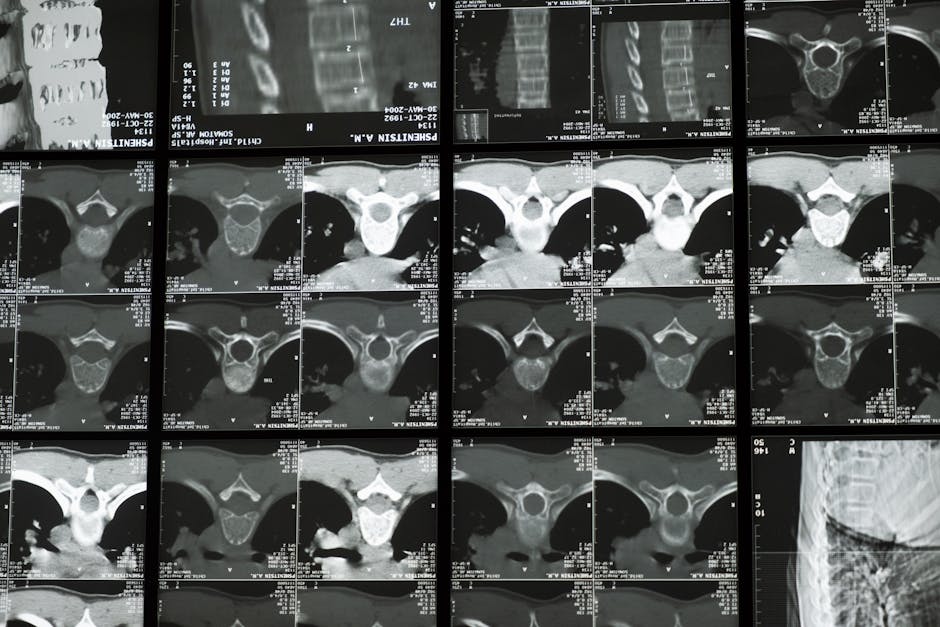
Beyond the specific type of surgery you have, several other important things play a big part in how fast you get back on your feet. These include your age and general health, how fit you were before surgery, how complicated the surgery itself was, and how well you follow your doctor’s advice afterward. Thinking about these points ahead of time can really set you up for a smoother healing process.
How Age, Health, and Pre-Surgery Condition Impact Healing
It’s true that age can make a difference in recovery. Younger patients often bounce back a bit faster because their bodies tend to heal more quickly. But age isn’t the only thing that matters! Your overall health is super important. If you have other health issues like diabetes or heart conditions, these can sometimes slow down healing or make it a little more complicated. For example, long-term diabetes can affect how well your body mends itself.
Your physical condition before surgery also plays a huge role. Think of it like “prehabilitation” – getting your body ready for the big day! Patients who are already pretty active, have good muscle strength (especially in their core), and are at a healthy body weight often have an easier and faster recovery. Strengthening your muscles beforehand can give your spine extra support during healing. On the flip side, carrying extra weight can put more stress on your spine as it tries to heal, potentially extending your back surgery recovery time.
The Effect of Surgical Complexity and Smoking on Your Back Surgery Recovery Time
The difficulty of your surgery directly affects how long it will take to recover. Procedures that are minimally invasive, meaning they use smaller cuts and cause less damage to your muscles, generally lead to a quicker back surgery recovery time. They’re often a gentler path to healing compared to traditional open surgeries. Also, if only one part of your spine needs treatment, recovery is usually faster than if multiple areas are involved.
Now, let’s talk about something really important for healing: smoking. Nicotine, found in tobacco products, can seriously get in the way of your body’s ability to heal. It reduces the blood flow and oxygen that your tissues need, which is especially critical for bone healing after a spinal fusion. This means smoking can make it harder for the bones to fuse together successfully and can even increase your risk of infections or other problems. If you smoke, your surgeon will most likely tell you to quit before your procedure – and for good reason! It’s not just a suggestion; it’s a vital step for a successful outcome. You can learn more about Why you should quit smoking before surgery. Beyond smoking, it’s also important to avoid alcohol six weeks before surgery, and stop taking blood-thinning medications and certain supplements two weeks prior, as your doctor advises.
Your Recovery Journey: A Step-by-Step Guide
From the moment you wake up from surgery to returning to your daily life, recovery is a phased process. It’s like navigating a carefully planned map, and understanding each step will help you feel more confident and in control. Here’s what to expect at each stage, guiding you through the critical steps to ensure a smooth and successful back surgery recovery time.

The First 48 Hours: Immediate Post-Op and Pain Management
Right after your back surgery, you’ll gently wake up from anesthesia. It’s completely normal to feel a bit groggy! Our compassionate team at Pain Arizona will be right there, watching your progress and making sure you’re comfortable. Depending on the type of surgery you had, your typical hospital stay might range from 1 to 4 days. For example, after a lumbar decompression surgery, many patients are ready to head home within just a few days.
Managing your pain effectively is our top priority during these first crucial hours and days. You’ll likely receive medications intravenously while in the hospital, and then transition to oral prescription painkillers once you’re home. Sometimes, muscle relaxants are also prescribed to help ease any discomfort. We use a multi-modal approach to pain management, meaning we combine different strategies to keep you as comfortable as possible. This helps you start your recovery journey on the right foot. For more details on safely managing post-surgical discomfort, please visit our page on Medication Management Navigating Painkillers Safely.
Believe it or not, moving early is incredibly important! Our dedicated staff will encourage you to get up and gently walk as soon as two hours after surgery, or at least by the next day. This isn’t just to stretch your legs; it helps prevent stiffness, improves your circulation, and significantly reduces the risk of blood clots. You might temporarily have a urinary catheter, and our nurses will show you exactly how to care for your incision and change dressings. It’s common to still feel some residual pain because of inflammation around the nerve, but rest assured, this will gradually subside as your body heals.
The First Few Weeks: Home Recovery and Rehabilitation
Once you’re home, the real work of careful self-care and rehabilitation begins. Taking good care of your incision, exactly as your discharge instructions describe, is super important to prevent any infection. If you have stitches or staples that don’t dissolve on their own, they’ll typically be removed about 5 to 14 days after your surgery.
During these first few weeks, activity restrictions are your friends! You’ll be advised to avoid three key movements: bending, lifting (think nothing heavier than a gallon of milk, or about 5-10 pounds), and twisting at the waist. Think of it as a temporary pause on certain movements, allowing your spine to heal properly. When you sit, try to limit yourself to 15-30 minutes at a time, and remember to change positions frequently. This helps prevent stiffness and soreness. Using a reacher to pick up items from the floor can be a lifesaver, and don’t hesitate to lean on family or friends for help with daily chores!
The role of physical therapy during this time is absolutely crucial. These personalized sessions often start within a few weeks – for example, 4 to 6 weeks for a discectomy, 6-8 weeks for a laminectomy, and 4-7 weeks for spinal fusion. Your physical therapist is like your personal coach, guiding you to restore strength and flexibility, improve your posture, teach you safe movement patterns, and reduce the risk of future injury. We truly encourage gentle walking as one of the best forms of therapy, gradually increasing how long and far you go. You can find excellent resources, including specific exercises, in our Physical Therapy A Hands-On Approach To Pain Relief and the helpful Low back surgery exercise guide.
Returning to Normal: Work, Driving, and Long-Term Health
The timeline for getting back to your normal routine, like work and driving, can vary quite a bit. It really depends on the type of surgery you had and what your job entails. If you have a non-strenuous desk job, you might be able to return to work after 4-8 weeks. However, if your job involves heavy lifting or other strenuous activities, it could take 3-6 months, or even longer, to return safely and without risk.
Getting back behind the wheel is a big step, and driving clearance typically happens about 2-6 weeks after surgery. To be cleared, you absolutely must be off narcotic pain medication, be able to comfortably get in and out of your car, and have full control of the vehicle. Always get clearance from your surgeon first! When you do start driving again, try to limit car travel to about 30-minute intervals, taking breaks to get out, walk, and stretch. Your comfort and safety come first.
Achieving full recovery and maintaining long-term health is a continuous journey. It involves a continued commitment to exercise and healthy habits. Our Exercise-Based Rehab Strengthening For Long-Term Relief programs are designed to help you strengthen your core and back muscles. This support is vital for your spine and helps prevent future issues. Your path to a stronger, pain-free spine is an ongoing one, and the dedicated team at Pain Arizona in the Phoenix Area is here to support you every step of the way.
Warning Signs That Require Medical Advice
While complications are rare, it’s always best to be prepared. Please be aware of certain warning signs that require immediate medical attention. Don’t hesitate to contact your doctor or seek emergency care if you experience any of the following:
- Fever over 100.4°F (38°C) or chills.
- Increased redness, swelling, or drainage (like pus or blood) from your incision site.
- The incision opening up or stitches coming out.
- Severe or worsening pain that isn’t relieved by your medication.
- New or worsening numbness, tingling, or weakness in your legs or arms.
- Loss of bladder or bowel control, or trouble urinating.
- Sudden shortness of breath or chest pain (this could be a sign of a blood clot).
- Intense throbbing or cramping in an arm or leg (another potential sign of a blood clot).
- A severe headache, especially if accompanied by neck stiffness.
- Inability to move your legs.
Frequently Asked Questions about Back Surgery Recovery
We understand you have many questions about your back surgery recovery time and process. Here are answers to some of the most common concerns we hear from patients in the Greater Phoenix Area.
When is it safe to drive after back surgery?
Getting back behind the wheel is one of those everyday freedoms we all look forward to after surgery. The short answer? Most patients can safely return to driving between 2 to 6 weeks after their procedure. But before you grab those keys, there are some important checkboxes you need to tick.
First and most importantly, you must be completely off narcotic pain medication. These medications can slow your reaction time and cloud your judgment—not exactly what you want when you’re navigating Phoenix traffic. You also need to be able to sit comfortably in the driver’s seat without significant pain, and have full control of the vehicle. This means being able to turn your head to check blind spots, press the brake pedal firmly, and make quick movements if needed.
Here’s the golden rule: always get clearance from your surgeon first. They know your specific case and will assess whether you’re truly ready. It’s not worth rushing this milestone—your safety and the safety of others on the road depends on it.
How is pain managed after back surgery?
Let’s be honest—nobody looks forward to post-surgical pain. The good news is that modern pain management has come a long way, and we at Pain Arizona take your comfort seriously.
Right after surgery, while you’re still in the hospital, you’ll receive IV medications to keep acute pain under control. As you transition home, we’ll send you with oral prescription painkillers and sometimes muscle relaxants to help you stay comfortable during those first critical weeks.
But medication is just one piece of the puzzle. We believe in a multi-modal approach to pain management. Ice packs applied to the surgical area can work wonders for reducing swelling and providing natural pain relief. As your healing progresses, you’ll gradually transition to over-the-counter pain relievers like acetaminophen. Just be sure to check with your doctor before taking anything new, especially NSAIDs like ibuprofen or aspirin, which may need to be avoided for several months after certain spinal surgeries. For nerve-related pain, we might prescribe medications like gabapentin or pregabalin.
The goal isn’t just to eliminate pain—it’s to manage it effectively enough that you can participate in your rehabilitation and start moving again. Movement is medicine, and we want you comfortable enough to heal properly. For more detailed strategies on managing your medications safely, check out our page on Medication Management Navigating Painkillers Safely.
Why is physical therapy so important for recovery?
If I had to choose one factor that separates patients who thrive after back surgery from those who struggle, it would be their commitment to physical therapy. PT isn’t just a nice addition to your recovery—it’s absolutely essential to your success.
Think of surgery as fixing the problem, and physical therapy as teaching your body how to function properly again. Surgery can leave muscles weakened and joints stiff. Physical therapy systematically rebuilds the strength in your core and back muscles while gently restoring flexibility and range of motion. Your therapist will teach you proper posture and body mechanics—how to lift, bend, and move in ways that protect your spine and prevent future injury.
The benefits extend far beyond just getting stronger. Specific therapeutic exercises actually help decrease pain and inflammation, speed up your return to normal activities, and significantly reduce your risk of future back problems. By following a structured program, you’ll gradually and safely increase what you can do, helping you get back to work, hobbies, and the life you love sooner.
Starting physical therapy at the right time and consistently doing your exercises at home are critical for optimal long-term outcomes. Our Exercise-Based Rehab Strengthening For Long-Term Relief programs are designed to support and empower you throughout this journey. Your back surgery recovery time isn’t just about waiting—it’s about actively participating in your healing.
Your Path to a Stronger, Pain-Free Spine
It’s true, recovering from back surgery is much like running a marathon – it’s definitely not a sprint! It takes time, patience, and dedication, but the finish line is a stronger, more comfortable you. Your keys to success are simple: patience, truly listening to your surgeon’s instructions, and a strong commitment to your rehabilitation.
By understanding what to expect during your back surgery recovery time and actively engaging in your care, you’re setting yourself up for the very best outcome. Our greatest hope is to help you reclaim your quality of life, free from the limitations of pain.
Here at Pain Arizona, our dedicated team is passionate about supporting you every step of the way. We provide compassionate, evidence-based care right here in the Greater Phoenix Area, guiding you on your unique journey back to health.
If you’re currently exploring options for your back pain, we’re here to help you understand if a minimally invasive procedure could be the right path for you. We believe in finding the root cause of your pain and offering effective solutions.
Ready to learn more about how we can help?
More info about our minimally invasive spine procedures
We also understand that navigating healthcare can be tricky. That’s why we want you to know that we accept most insurance plans. Please check with our office manager to see if your specific plan is accepted – we’re here to make things as easy as possible for you.