
Spinal Compression and Fracture Pain: Your Guide to Finding Relief
Understanding Mechanisms Behind Chronic Vertebral Fracture Pain
I’m Dr. Nasser. When a spinal bone fractures and collapses, the immediate severe pain comes from damaged bone tissue and localized inflammation. However, while two-thirds of patients experience spontaneous pain resolution within 3 to 6 weeks, others develop long-term discomfort. Understanding why pain continues requires looking beyond the bone itself.
The structural changes caused by a fracture can alter how your back supports your body weight. According to clinical guidance, persistent symptoms are often mechanical, resulting from changes in spinal height and curvature that stress surrounding muscles, tendons, and facet joints.
Biomechanical Changes, Kyphosis, and Muscle Fatigue
The most common structural change after a compression injury is a wedge fracture, where the front of the vertebral body collapses while the back remains intact. This wedge shape causes the spine to bend forward, contributing to hyperkyphosis (an exaggerated rounded upper back).
When hyperkyphosis occurs, your center of gravity shifts forward. To keep you upright, the back extensor muscles must work continuously. This persistent strain leads to:
- Continuous muscle fatigue and soreness across the middle and lower back.
- Painful, compensatory muscle spasms as tired tissue struggles to maintain posture.
- Increased pressure on neighboring non-fractured vertebrae, raising the risk of subsequent fractures.
Over time, these mechanical imbalances can cause secondary irritation in the facet joints (the small stabilization joints between vertebrae) and wear down spinal ligaments. You can read more in our comprehensive guide to compression fracture causes.
Central Sensitization and Nervous System Processing
Chronic pain is not solely a physical or structural issue; it also involves how your nervous system processes pain signals. When intense pain signals travel from a broken bone to the brain for weeks or months, the central nervous system can become overly sensitive—a condition known as central sensitization.
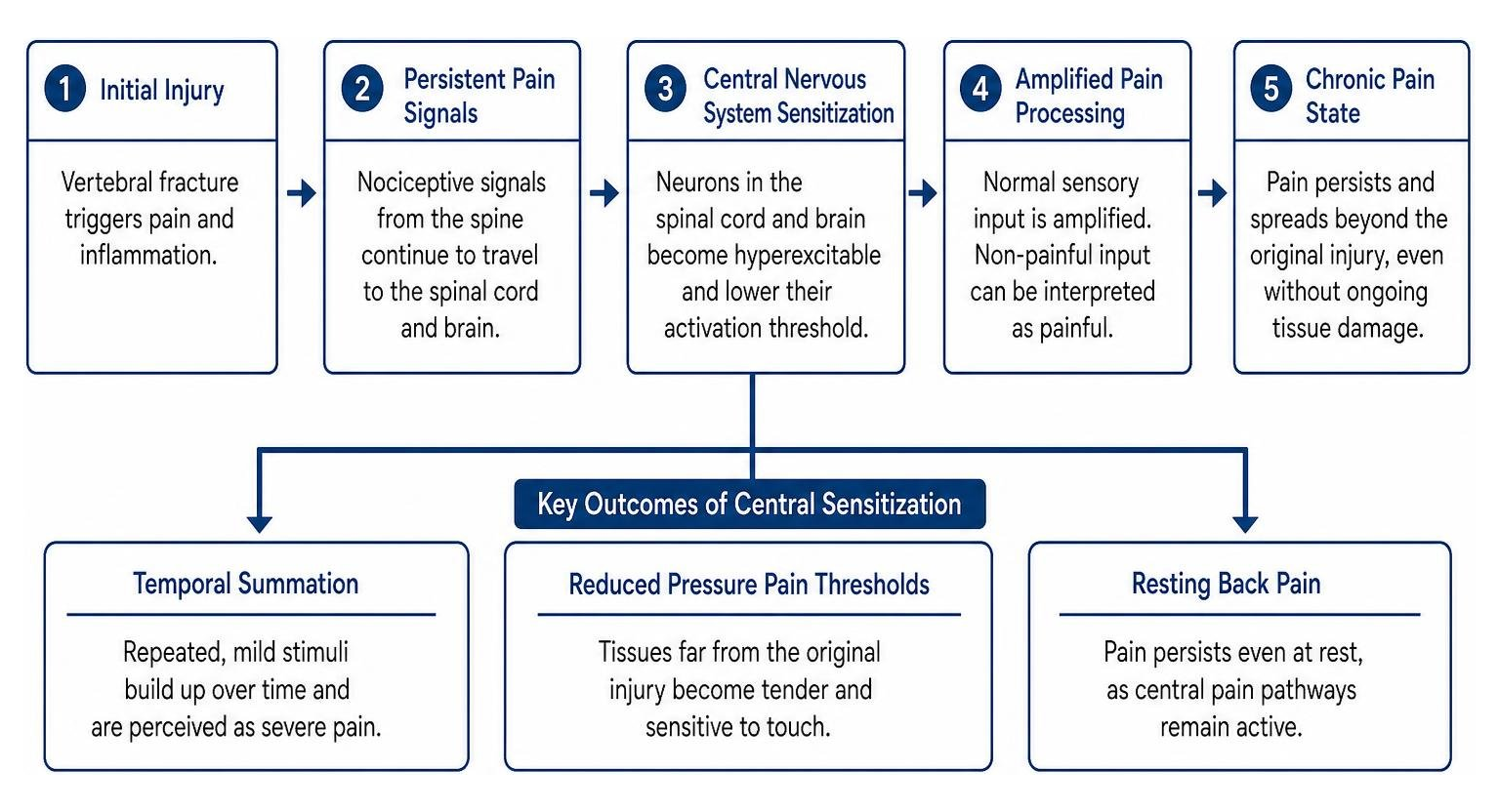
In a sensitized nervous system:
- Temporal summation occurs: Repeated, mild physical sensations (like gentle standing or light touching) are amplified into severe pain signals.
- Pressure pain thresholds drop: Muscles and tissues far removed from the original fracture become tender to the touch.
- Resting back pain develops: Pain persists even while lying completely still, as central pain pathways remain active.
Recent clinical findings confirm that central pain processing changes occur after osteoporotic vertebral compression fractures and are strongly linked to residual back pain. Addressing both structural biomechanics and nervous system sensitivity is essential for achieving lasting relief.
Pharmacological Management and Bone-Targeted Therapies
Managing chronic vertebral fracture pain requires a different strategy than treating acute fracture pain. Immediately following an injury, the primary goal is fast, effective pain control to help you stay mobile. In contrast, chronic pain management focuses on long-term safety, reducing reliance on high-risk medications, and preventing future bone loss.
Evidence-based guidelines emphasize using a stepped approach to medication, carefully balancing pain relief against potential side effects.
Acute vs Chronic Analgesia and the Reverse WHO Ladder
For acute fracture pain, doctors sometimes use a “reverse” WHO analgesic ladder. Instead of starting with mild over-the-counter pills and gradually increasing dosage, severe acute pain may initially be treated with short courses of strong analgesics to help patients move safely. As the bone heals over the first few weeks, medication is steadily stepped down.
When transitioning to chronic pain management:
- Acetaminophen (Paracetamol): Often used as a baseline medication. While generally well-tolerated, long-term continuous use requires monitoring for liver health and potential blood pressure effects.
- NSAIDs (e.g., Ibuprofen, Naproxen): Useful for short-term inflammatory flare-ups, but long-term use in older adults carries risks of gastrointestinal bleeding, kidney strain, and cardiovascular issues.
- Opioids: While opioids can help manage acute post-fracture pain, evidence supporting their long-term use for chronic back pain is weak. Long-term opioid use increases the risk of dependence, cognitive impairment, constipation, and falls.
For more information on non-opioid options, see our guide on how to alleviate lower back pain.
Bone-Targeted Therapies for Long-Term Relief
Systemic osteoporosis medications do more than build bone mass—they also offer direct and indirect pain relief for patients with chronic vertebral fracture pain.
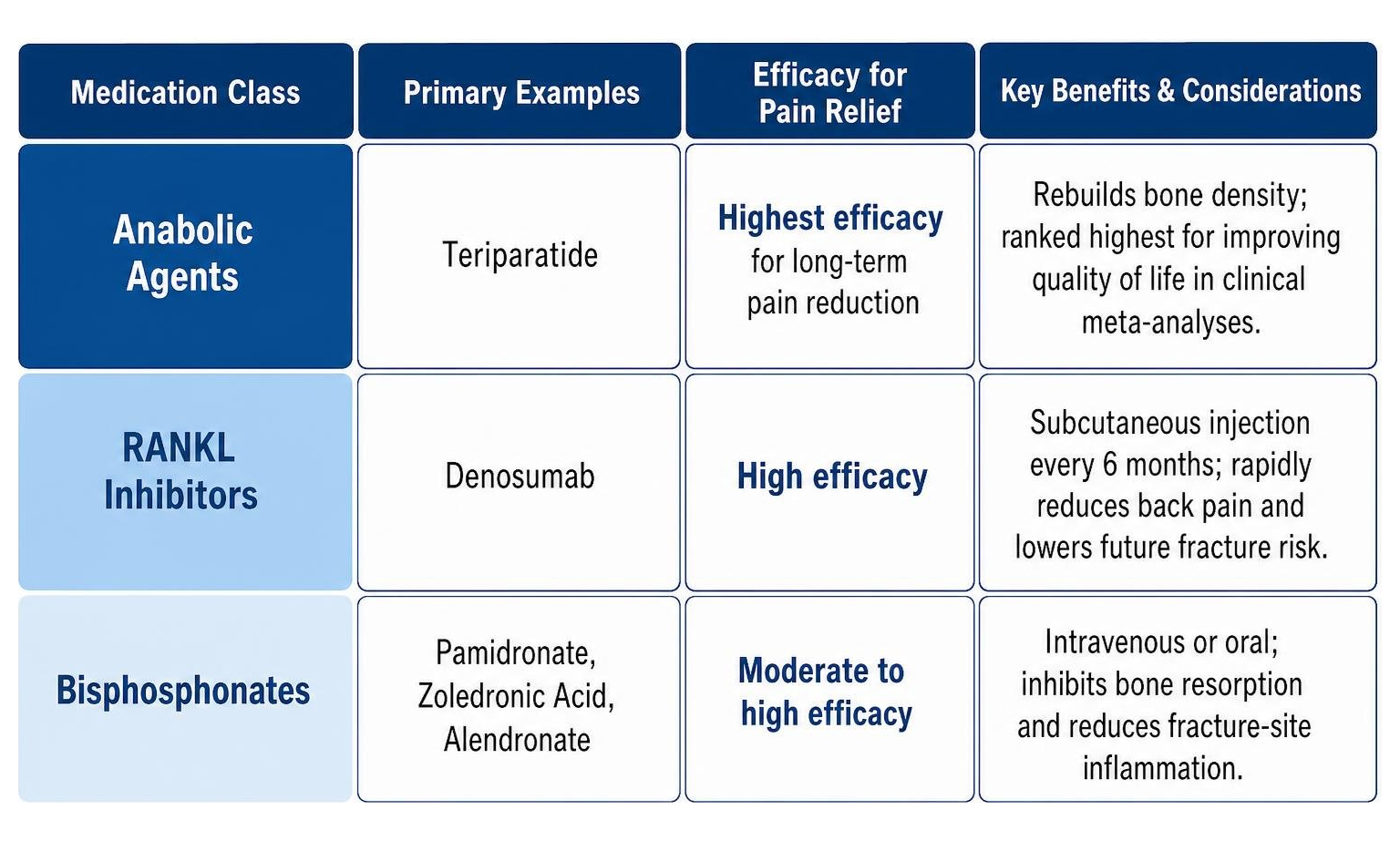
| Medication Class | Primary Examples | Efficacy for Pain Relief | Key Benefits & Considerations |
|---|---|---|---|
| Anabolic Agents | Teriparatide | Highest efficacy for long-term pain reduction | Rebuilds bone density; ranked highest for improving quality of life in clinical meta-analyses. |
| RANKL Inhibitors | Denosumab | High efficacy | Subcutaneous injection every 6 months; rapidly reduces back pain and lowers future fracture risk. |
| Bisphosphonates | Pamidronate, Zoledronic Acid, Alendronate | Moderate to high efficacy | Intravenous or oral; inhibits bone resorption and reduces fracture-site inflammation. |
A network meta-analysis revealed that osteo-anabolic agents like teriparatide and antiresorptive agents like denosumab provide superior long-term pain reduction and quality-of-life improvements compared to basic conservative measures alone.
Managing Nerve Compression and Chronic Vertebral Fracture Pain
If a collapsed vertebra narrows the spinal canal or nerve exits, you may experience radicular pain—sharp, shooting discomfort, tingling, or numbness radiating down the buttocks or legs. Standard pain relievers often provide little relief for nerve-related symptoms.
In these cases, physicians may prescribe adjuvant neuropathic medications:
- Gabapentinoids (Gabapentin, Pregabalin): Help calm hyperactive nerve signals caused by root compression.
- Tricyclic Antidepressants (TCAs) or SNRIs: Modulate how the central nervous system processes chronic pain signals.
Accurate diagnostic coding and nerve mapping are essential when evaluating nerve root compression. Medical billers and clinicians can consult our ICD-10 code for L1 compression fracture guide for specific diagnostic insights.
Non-Pharmacological Interventions and Spinal Rehabilitation
Non-pharmacological therapies form the foundation of long-term recovery for chronic vertebral fracture pain. While medications reduce symptom intensity, physical rehabilitation restores strength, balance, and physical function.
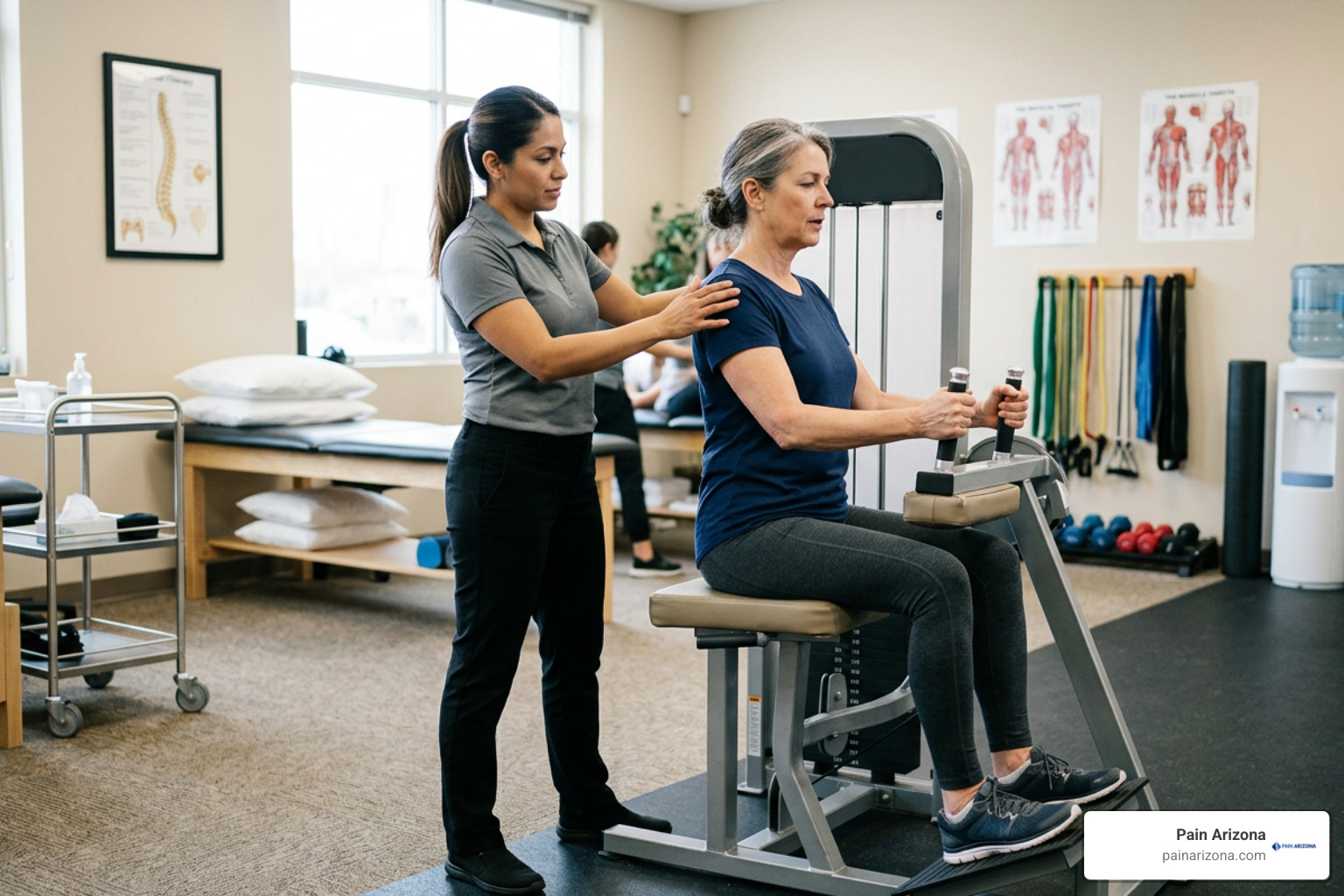
Targeted Physical Therapy and Postural Rehabilitation
Physical therapy should be tailored to the patient’s stage of healing. Early physical performance metrics—such as the 5-Times Sit-to-Stand Test (5SST) and daily low-intensity physical activity—are key predictors of long-term functional recovery. Patients who maintain light mobility recover faster and develop less chronic stiffness.
An effective rehabilitation program includes:
- Back Extensor Strengthening: Targeted exercises to build endurance in the deep back muscles supporting postural alignment.
- Core Stabilization: Gentle abdominal and pelvic conditioning to support the front of the spine.
- Balance and Fall Prevention: Proprioceptive training to reduce the risk of future falls.
- Low-Impact Aerobic Exercise: Daily walking to increase circulation, maintain joint flexibility, and boost endorphins.
For a structured recovery plan, explore our detailed vertebral compression fracture guide.
Bracing Limits and Non-Invasive Modalities
Back braces (orthoses) can help manage acute pain by stabilizing the spine and restricting painful bending. However, long-term bracing requires careful monitoring.
- Bracing Duration: Rigid or semi-rigid braces are generally recommended only during the acute and subacute phases (typically 4 to 12 weeks).
- The Atrophy Risk: Wearing a brace for too long can cause back extensor and core muscles to weaken from disuse, increasing spinal strain once the brace is removed.
To complement physical therapy, non-invasive therapies can provide additional pain relief:
- Transcutaneous Electrical Nerve Stimulation (TENS): Uses mild electrical currents to disrupt pain signals before they reach the brain.
- Acupuncture: Can help reduce localized muscle tension and release natural endorphins.
For a breakdown of support options, check our guide on the top braces for lumbar compression fracture recovery.
Interventional Procedures and Deprescribing Considerations
When conservative treatments—such as physical therapy, brace support, and non-opioid medications—fail to manage pain after 4 to 10 weeks, interventional options may be considered.

According to the American Academy of Family Physicians, persistent severe pain accompanied by confirmed bone marrow edema on MRI indicates an unhealed fracture that may benefit from interventional evaluation.
Kyphoplasty and Vertebroplasty Indications
Vertebral augmentation procedures are minimally invasive interventions designed to stabilize fractured bone tissue:
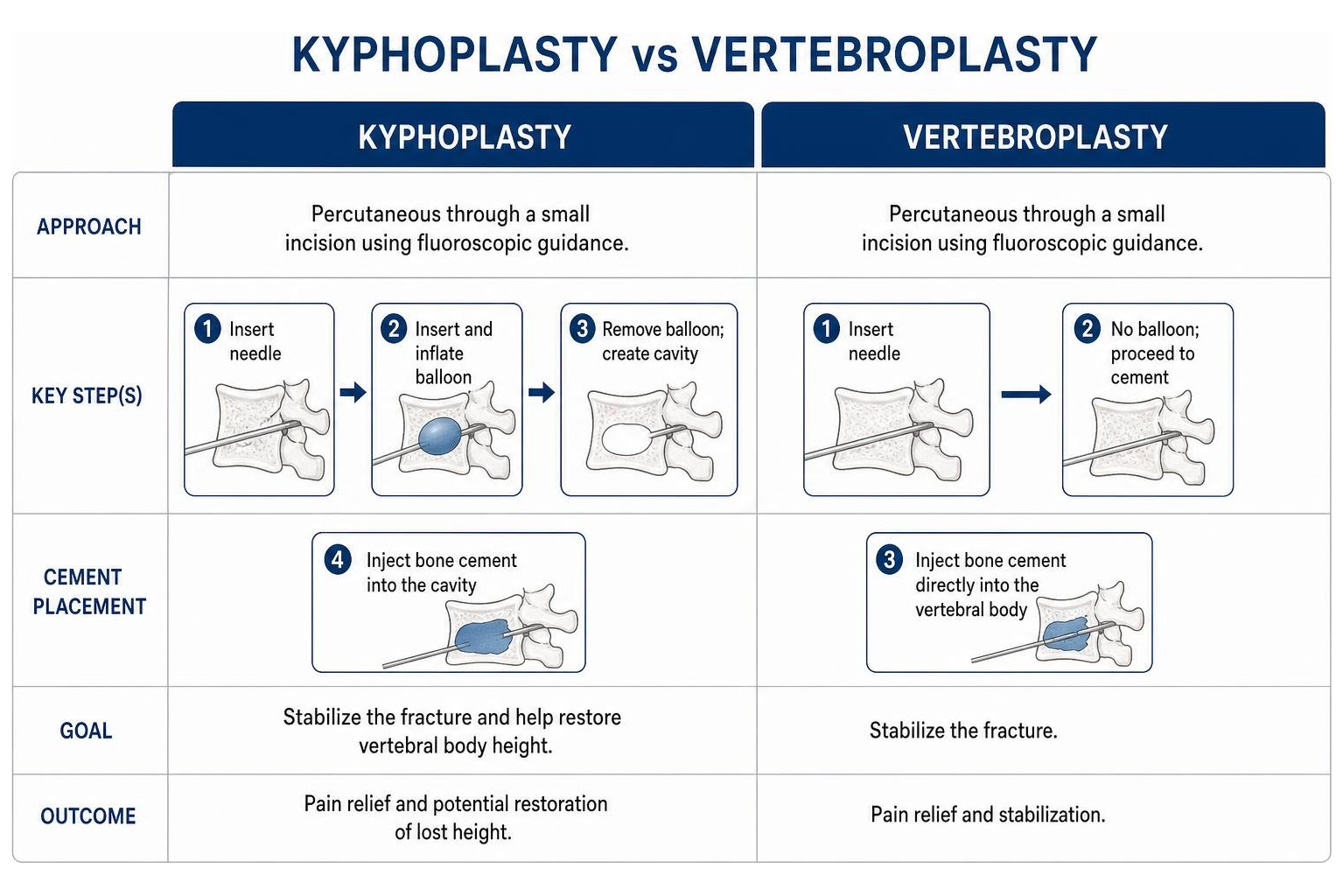
- Percutaneous Vertebroplasty: Medical-grade bone cement is injected directly into the fractured vertebra under fluoroscopic guidance to stabilize bone fragments.
- Balloon Kyphoplasty: A small balloon is inserted and inflated inside the collapsed vertebra to create a void and help restore lost height before bone cement is applied.
These procedures can be especially helpful for patients with intravertebral vacuum clefts (fluid/air pockets inside non-healing bone) or severe bone marrow edema. Many patients experience pain relief within 24 to 48 hours post-procedure, helping them regain mobility and lower the risk of bedrest-related complications.
Read more about these procedures in our post on Phoenix spine relief and finding the best minimally invasive kyphoplasty.
Calcitonin Limitations, Polypharmacy, and Opioid Deprescribing
Calcitonin nasal spray was historically used for fracture pain, but its clinical role has changed:
- Short-Term Use Only: Salmon calcitonin can help reduce acute fracture pain during the first 2 to 4 weeks of injury.
- Chronic Phase Inefficacy: It is not recommended for managing long-term chronic vertebral fracture pain or primary osteoporosis treatment due to limited chronic efficacy and potential long-term risks.
In older adults, chronic pain management often leads to polypharmacy—the simultaneous use of multiple prescription medications. Combining opioids, muscle relaxants, and sedatives increases the risk of drowsiness, cognitive confusion, and falls.
Our physicians advocate for structured deprescribing: gradually reducing or eliminating unnecessary medications while introducing safer non-pharmacological therapies and targeted interventional procedures. Discover how our team supports recovery in our guide on how Phoenix specialists help you stand tall after a spine fracture.
Psychological Wellbeing and Self-Management Strategies
Chronic back pain affects more than just the body; it impacts mental and emotional wellbeing. Persistent pain can disrupt sleep, limit independence, and lead to anxiety or depression.

Addressing Catastrophizing and Mental Wellbeing in Chronic Vertebral Fracture Pain
Pain catastrophizing—a mindset characterized by feeling overwhelmed by pain and helpless about recovery—is a major contributor to long-term disability. When fear of re-injury leads patients to avoid all physical movement (fear-avoidance behavior), muscles weaken faster, stiffness worsens, and pain increases.
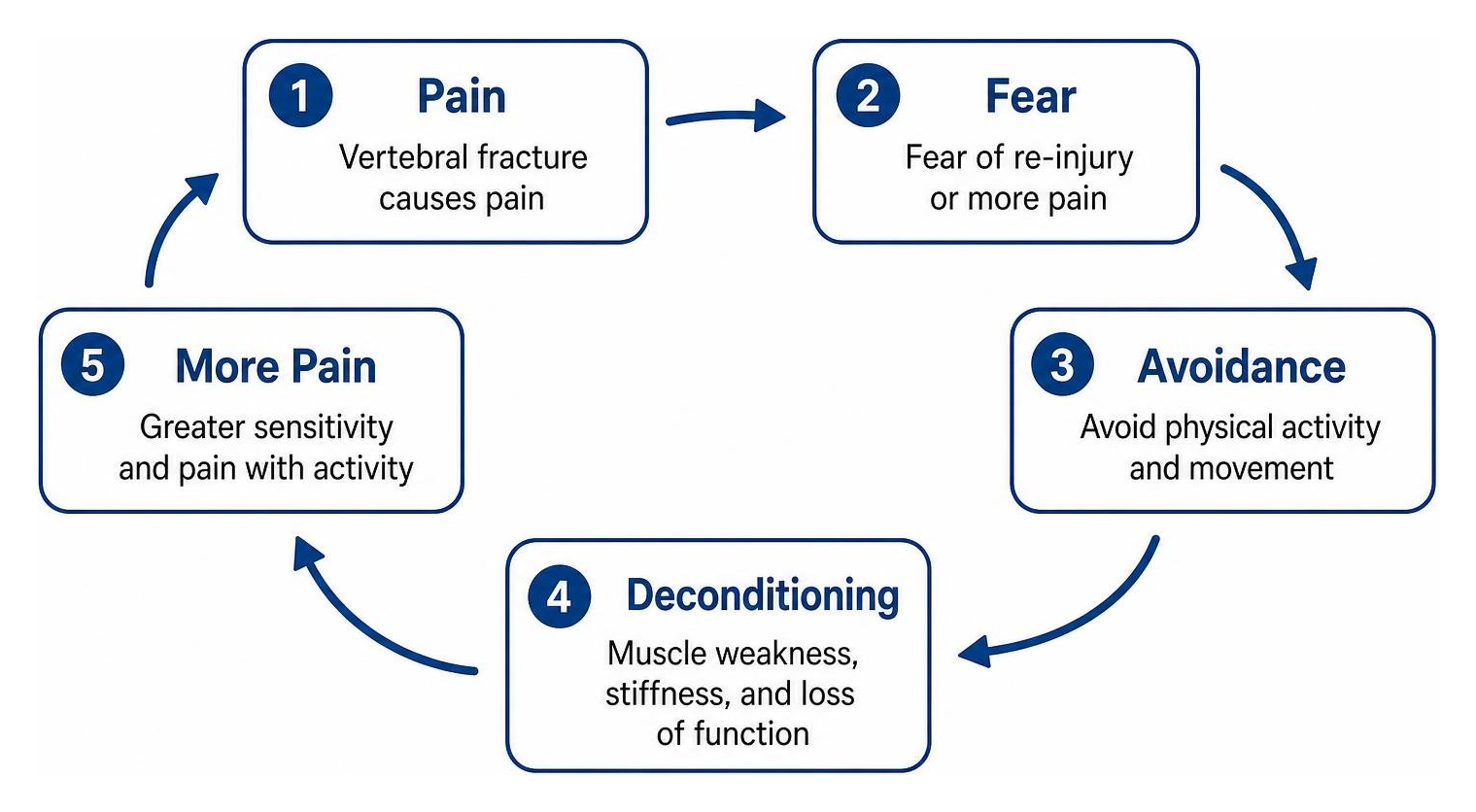
Comprehensive care includes addressing these psychological factors:
- Validated Screening: Standardized questionnaires (like the Pain Catastrophizing Scale) help identify patients who may benefit from extra psychological support.
- Cognitive Restructuring: Learning to reframe negative thought patterns helps reduce fear around safe, daily movements.
- Mind-Body Techniques: Mindfulness, deep breathing exercises, and progressive muscle relaxation help calm an overactive nervous system.
Patient Education and Lifestyle Modifications
Empowering patients through clear education is essential for long-term self-management. Key lifestyle modifications include:
- Home Fall Prevention: Removing loose rugs, improving household lighting, installing bathroom grab bars, and securing footwear significantly lowers fall risks.
- Nutritional Support: Ensuring daily intake of Calcium (1,200 mg/day through diet and supplements) and Vitamin D (800 to 1,000 IU/day) supports ongoing bone remodeling.
- Smoking Cessation: Nicotine impairs bone healing, lowers bone density, and reduces blood flow to spinal tissues.
For comprehensive state-specific resources, visit our Arizona compression fracture treatment guide.
Frequently Asked Questions About Compression Fracture Pain
Why does a spinal fracture continue to hurt months after the bone has healed?
Pain persisting beyond bone healing is usually mechanical or neurological rather than structural. A collapsed vertebra alters posture, creating hyperkyphosis that forces back extensor muscles to work constantly, causing muscle fatigue and spasms. Additionally, altered mechanics increase stress on adjacent facet joints and spinal ligaments, while central sensitization can leave the nervous system heightened and sensitive to routine movements.
Are osteoporosis medications effective for managing chronic fracture back pain?
Yes. Anabolic agents like teriparatide and RANKL inhibitors like denosumab provide direct and indirect pain relief beyond building bone mineral density. Clinical trials demonstrate that these therapies significantly reduce chronic back pain and improve quality-of-life scores compared to basic pain relievers alone.
When should someone consider kyphoplasty or vertebroplasty?
Vertebral augmentation is generally considered when a patient experiences severe, debilitating back pain that has not responded to 4 to 10 weeks of conservative care (such as physical therapy, bracing, and non-opioid medications). An MRI must confirm acute or subacute bone marrow edema or an intravertebral vacuum cleft matching the precise location of the patient’s pain.
Conclusion: Finding Lasting Relief from Spinal Compression Fractures
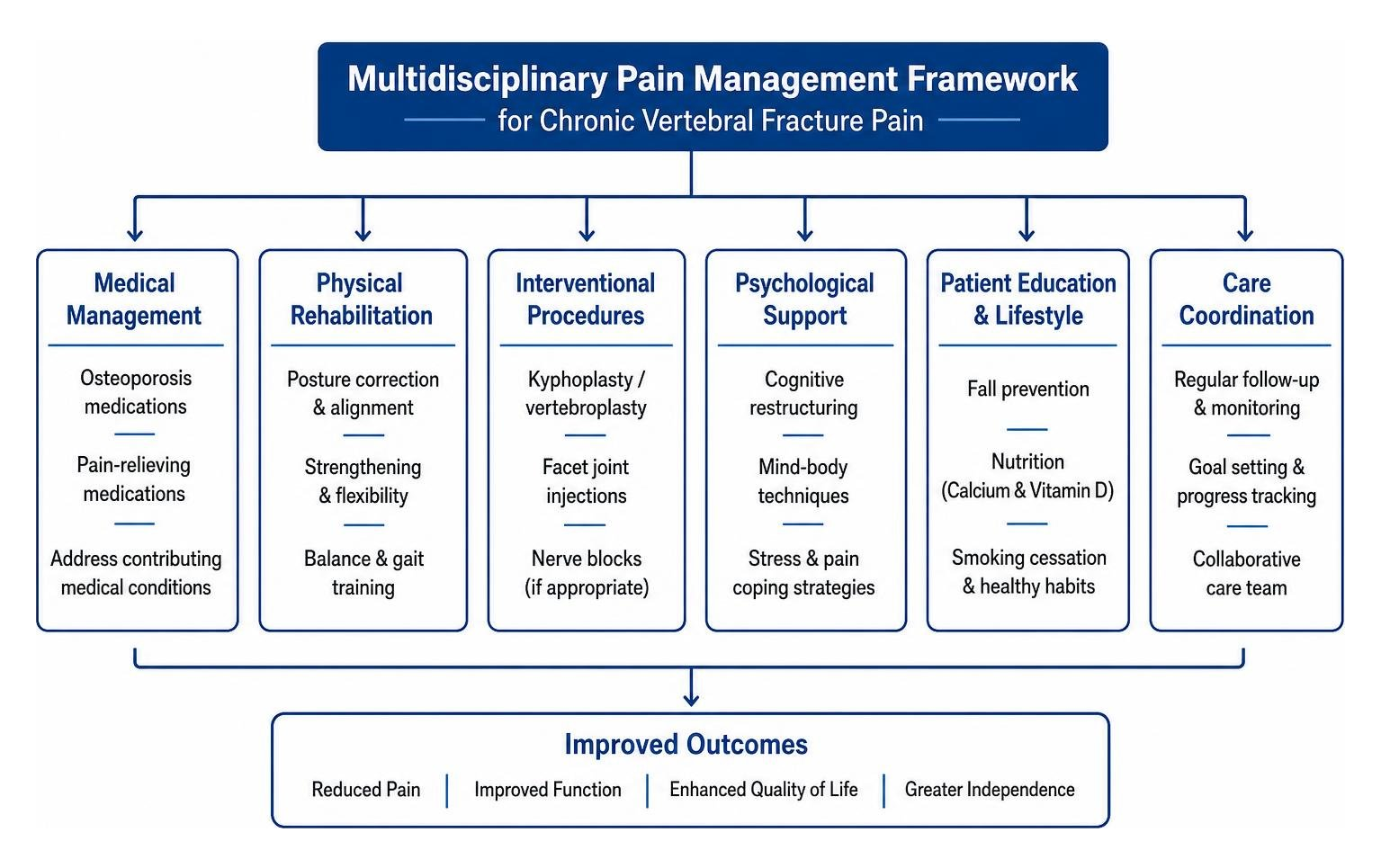
Living with chronic vertebral fracture pain can feel overwhelming, but long-term relief is possible. Effective care moves beyond relying solely on oral pain medications to adopt a comprehensive, multidisciplinary strategy:
- Identifying mechanical postural changes and treating muscle fatigue.
- Supporting bone density with modern osteoporosis medications.
- Restoring physical strength and balance through targeted physical rehabilitation.
- Utilizing minimally invasive procedures like kyphoplasty when conservative measures fall short.
- Addressing nervous system sensitivity and emotional wellbeing to rebuild daily confidence.
At Pain Arizona, our double board-certified pain management specialists serve patients across the Greater Phoenix Area—including Phoenix, Mesa, Gilbert, Scottsdale, and Glendale. We take time to diagnose the root causes of your back pain and develop personalized, evidence-based treatment plans covered by most major insurance plans. (Check with our office manager to confirm your specific coverage).
If chronic back pain is limiting your mobility and daily life, visit our center to learn more about expert spinal fracture care options and schedule your personalized consultation today.