
How to alleviate lower back pain: Ultimate 2025 Relief
Why Lower Back Pain Demands Your Attention
Searching for how to alleviate lower back pain? You’re not alone. As the leading cause of disability worldwide, back pain affects around 80% of adults at some point. If you’re dealing with this discomfort, rest assured there are proven ways to find relief.
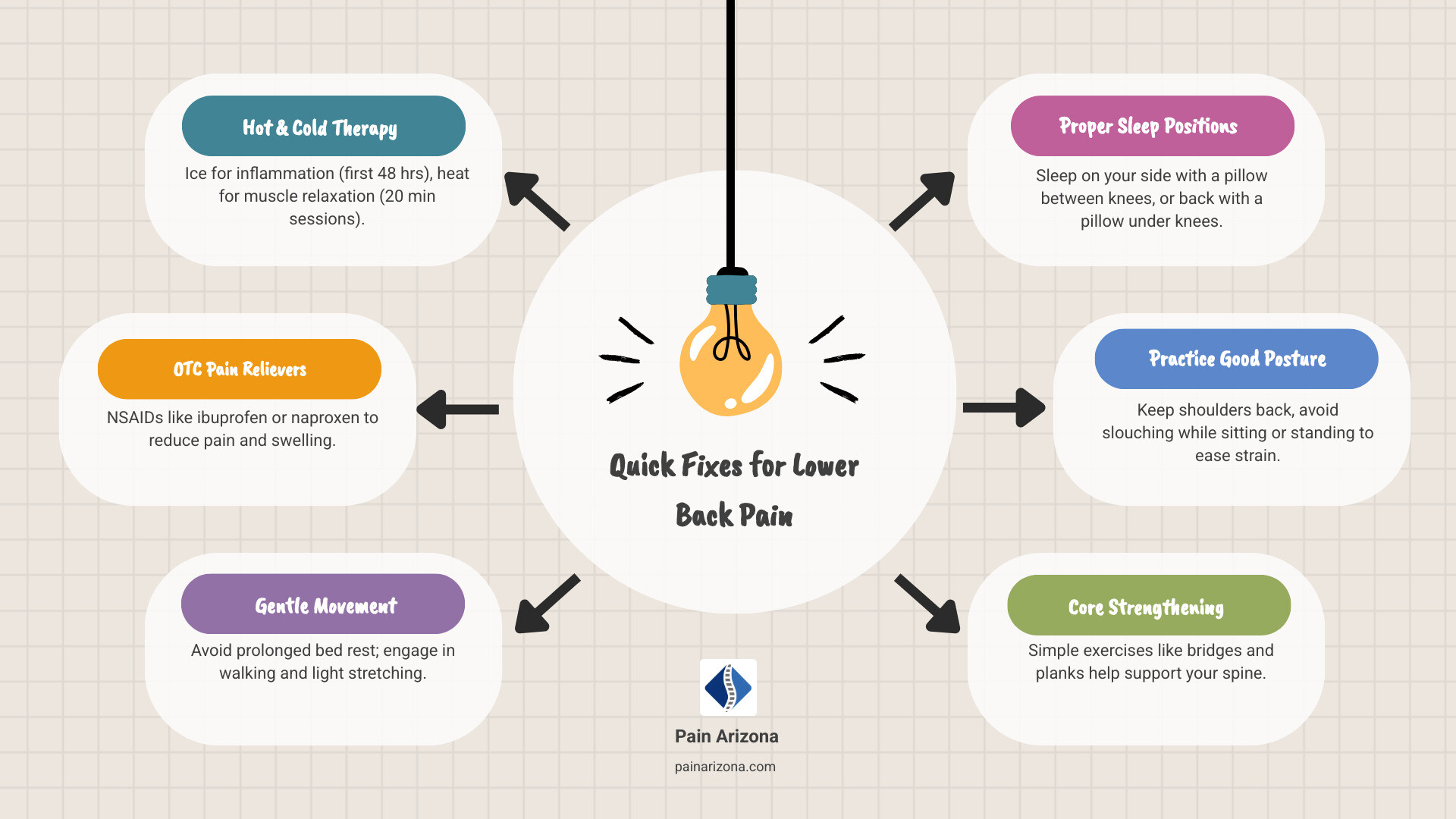
Quick ways to alleviate lower back pain:
- Apply ice or heat – Ice for the first 48 hours to reduce inflammation, then heat to relax muscles (15-20 minutes at a time).
- Try over-the-counter pain relievers – NSAIDs like ibuprofen can reduce pain and swelling.
- Stay active with gentle movement – Walking and light stretching are better than bed rest.
- Use proper sleeping positions – Sleep on your side with a pillow between your knees, or on your back with a pillow under your knees.
- Practice good posture – Keep your shoulders back and avoid slouching.
- Strengthen your core – Simple exercises like bridges and planks support your spine.
- Stretch daily – Knee-to-chest and cat-cow stretches can ease tension.
The good news is that nearly 90% of back pain cases are temporary, and most people recover fully. Understanding the cause and taking the right steps can make a real difference.
I’m Dr. Nasser, Chief Medical Officer at Pain Arizona. For over 15 years, I’ve helped patients in the Greater Phoenix area learn how to alleviate lower back pain with evidence-based treatments. This article will guide you through immediate relief strategies and long-term solutions that address the root causes of your pain.
Understanding Your Lower Back Pain: Common Causes
Your lower back supports your upper body, allows for complex movements, and absorbs shock with every step. This makes it vulnerable to issues that can disrupt your daily life. Figuring out how to alleviate lower back pain starts with understanding its potential sources, which can range from a sudden injury to gradual wear and tear.
Here are the most common culprits I see in my practice:
-
Muscle or ligament strain: This is the most frequent cause, resulting from overstretching muscles or ligaments during activities like gardening, moving furniture, or even a sudden sneeze. The result is often painful spasms and soreness.
-
Poor posture: Slouching at a desk or standing with your weight shifted unevenly puts constant stress on your spine. Over time, this forces muscles to overcompensate, leading to chronic aches.
-
Improper lifting technique: Lifting with your back instead of your legs is a classic mistake. Bending at the waist to hoist heavy objects puts your spine at high risk for injury.
-
Herniated discs: These occur when the soft cushions between your vertebrae bulge or rupture. They can press on nearby nerves, causing sharp pain that may radiate down your leg.
-
Degenerative disc disease: This is age-related wear and tear where spinal discs lose water content, becoming thinner and less flexible. This natural process can lead to chronic pain and stiffness.
-
Arthritis and Spinal Stenosis: Osteoarthritis in the back’s small joints causes inflammation and pain. Over time, it can lead to spinal stenosis, a narrowing of the spinal canal that puts pressure on nerves, causing pain, numbness, or weakness in the legs.
-
Sciatica: This is a symptom, not a diagnosis, characterized by pain radiating from the lower back down the leg. It’s typically caused by nerve compression from a herniated disc or spinal stenosis.
In many cases, we can’t pinpoint one exact cause. Often, multiple factors combine to create discomfort. However, understanding these common sources provides a roadmap for finding effective relief and getting back to your life.
Immediate Relief: At-Home Remedies for Acute Back Pain
When acute back pain strikes, you want relief fast. Fortunately, many effective strategies for how to alleviate lower back pain can be done at home, and most cases improve within a few days or weeks of self-care.
Hot and Cold Therapy
Knowing when to use ice versus heat is key to this classic remedy.
-
Ice for inflammation: During the first 48 hours after an injury, apply an ice pack wrapped in a towel to the sore spot. Ice numbs the area and reduces swelling by constricting blood vessels.
-
Heat for muscle relaxation: After two days, switch to heat. A heating pad or warm bath increases blood flow, which helps loosen tight muscles and ease stiffness.
For both methods, limit applications to 20 minutes at a time, several times a day. Never fall asleep with a heating pad on.
| When to Use Ice | When to Use Heat |
|---|---|
| Immediately after an injury (first 48 hours) | After 48 hours of injury |
| To reduce swelling and inflammation | To relax tight, sore, or stiff muscles |
| For sudden, sharp pain | For chronic aches and pains |
| To numb the painful area | To improve blood flow to the affected area |
Over-the-Counter (OTC) Options
Your pharmacy has several options to help manage pain while you heal.
-
NSAIDs (nonsteroidal anti-inflammatory drugs) like ibuprofen (Advil) and naproxen (Aleve) are effective because they reduce both pain and inflammation.
-
Acetaminophen (Tylenol) is another option that relieves pain but doesn’t target inflammation.
-
Topical creams and patches containing ingredients like menthol or capsaicin can be applied directly to your back for targeted relief.
Always follow label instructions and consult your doctor if you have other health conditions or take other medications. For more details, you can read this guide on OTC pain relievers.
Rest vs. Gentle Movement
Contrary to old advice, prolonged bed rest can worsen back pain and weaken supportive muscles. Staying gently active is crucial for a faster recovery.
-
Avoid prolonged bed rest: Too much inactivity can lead to a slower recovery and more pain down the road.
-
Accept light activity: Walking is an excellent low-impact option that increases blood flow and reduces tension without straining your back. Even short walks are beneficial.
-
Adjust your sleeping position: Small changes can have a big impact. Side sleepers should place a pillow between their knees to align the spine. Back sleepers can place a pillow under their knees to maintain the spine’s natural curve. These simple tricks can improve sleep and reduce morning stiffness. Find more tips on the best ways to sleep to manage back pain.
How to Alleviate Lower Back Pain with Targeted Exercises
Once acute pain subsides, targeted exercises are your best tool for long-term relief. Proper movement strengthens the muscles supporting your spine, improves flexibility, and nourishes your spinal tissues.
Core Strengthening Exercises
A strong core acts as a natural brace for your spine, reducing pressure on your lower back and improving posture. When your abdominal and back muscles are weak, your spine takes on extra strain. Strengthening them is key to reducing that load.
-
Bridge Pose: Lie on your back with knees bent and feet flat. Tighten your core and glutes, then lift your hips to form a straight line from knees to shoulders. Hold for a few breaths and slowly lower. Start with 5 reps and build up to 30.
-
Plank: Hold your body in a straight line from head to heels, supported on your forearms and toes (or knees for a modification). This engages your entire core. Start with 10-15 second holds and gradually increase the time.
For more ideas, check out these simple core exercises to learn how to alleviate lower back pain.
Flexibility and Stretching
Tight muscles in your back, hips, and legs can pull on your spine and worsen pain. Regular stretching helps release this tension and improves joint mobility.

-
Knee-to-Chest Stretch: Lie on your back with knees bent. Gently pull one knee to your chest, hold for 15-30 seconds, and switch legs. This lengthens tight lower back muscles.
-
Cat-Cow Stretch: On your hands and knees, inhale as you arch your back (cow), and exhale as you round your spine (cat). Flow between the two poses 5-10 times to improve spinal flexibility.
-
Lower Back Rotational Stretch: Lie on your back with knees bent. Keeping your shoulders on the floor, slowly roll your knees to one side. Hold for 15-30 seconds, then repeat on the other side.
-
Hamstring Stretch: Sit with one leg extended. Lean forward from your hips, reaching for your toes until you feel a gentle stretch. Hold for 30 seconds and switch legs.
Stretch gently without bouncing, and stop if you feel sharp pain. Consistency is more important than intensity.
The Role of Professional Guidance
While home exercises are beneficial, professional guidance is invaluable. A physical therapist can create a personalized exercise plan and ensure you’re using proper form, which is crucial for healing and preventing further injury.
Physical Therapy is a hands-on approach where a therapist guides your movements and teaches you how to move safely in daily life. This comprehensive strategy, often part of an Exercise-Based Rehab program, addresses both immediate relief and long-term prevention. At Pain Arizona, we collaborate with physical therapists to ensure our patients receive the comprehensive care they need.
Building a Stronger Back: Long-Term Prevention and Lifestyle Changes
Lasting relief from back pain requires sustainable lifestyle changes, not just quick fixes. These habits build a stronger, more resilient back for the future.
How to alleviate lower back pain through better posture
Poor posture creates significant strain on your back. Consciously correcting how you sit, stand, and lift is a powerful preventative tool.
-
Ergonomics and Desk Setup: Set up your workspace to support your body. Adjust your chair so your feet are flat on the floor and your knees are at a 90-degree angle. Position your computer screen at eye level to avoid neck strain. Use a lumbar pillow for extra lower back support.
-
Standing Posture: Stand with your feet shoulder-width apart, with your weight distributed evenly. If standing for long periods, rest one foot on a low stool and switch periodically to take pressure off your lower back.
-
Proper Lifting Technique: This is non-negotiable for preventing injury. Always bend at your knees and hips, keeping your back straight. Hold the object close to your body and avoid twisting while lifting. If an object is too heavy, ask for help.
The Impact of Weight and Diet
Your weight and diet are directly linked to your spinal health.
-
Maintain a Healthy Weight: Excess weight, especially around the abdomen, puts constant strain on the lower back. Even a modest weight loss of 10-15 pounds can significantly reduce this load and alleviate pain.
-
Eat an Anti-inflammatory Diet: Some foods fight inflammation, while others promote it. Focus on anti-inflammatory foods like fruits, vegetables, whole grains, and fish rich in omega-3s. These support tissue repair. At the same time, limit processed foods, sugary drinks, and sweets, which can trigger inflammation.
-
Support Bone Health: Ensure you get enough calcium and vitamin D from dairy, leafy greens, and fortified foods to keep the bones in your spine strong.
How to alleviate lower back pain by quitting smoking
If you smoke, quitting is one of the best things you can do for your back.
-
It Damages Blood Flow: Smoking restricts blood flow to your spinal discs, cutting off the oxygen and nutrients they need to stay healthy. This accelerates disc degeneration and increases your risk of chronic pain.
-
It Weakens Bones: Smoking impairs calcium absorption, which can lead to osteoporosis, a condition where bones become weak and brittle, making spinal fractures more likely.
-
It Delays Healing: If you injure your back, smoking significantly slows down your body’s natural repair processes, prolonging your recovery.
When to See a Doctor: Recognizing Red Flag Symptoms
While most back pain resolves with self-care, some symptoms require professional medical attention. I’m Dr. Nasser, and I want to ensure you know when to seek help. Recognizing these “red flags” early can make a significant difference in your recovery.

Schedule an appointment with a doctor if you experience any of the following:
- Pain lasting over a week without improvement from home care.
- Pain following an accident or injury, such as a fall or car crash.
- Numbness, tingling, or weakness in your legs, especially if it extends below the knee. This can signal nerve compression.
- Loss of bowel or bladder control with back pain. This is a medical emergency that requires an immediate trip to the ER, as it may indicate cauda equina syndrome.
- Back pain accompanied by unexplained weight loss or fever, which could signal a more serious underlying condition like an infection.
- Pain that worsens at night or when you lie down, instead of improving with rest.
- New or changing back pain with a personal history of cancer or a weakened immune system.
Pain that lasts longer than three months is considered Chronic Back Pain and often requires a professional treatment plan. At Pain Arizona, we offer advanced options like Epidural Steroid Injections to deliver targeted anti-inflammatory medication, and Radiofrequency Ablation to interrupt pain signals.
Seeking help is a proactive step toward taking control of your health. We accept most insurance plans; please check with our office manager to confirm yours is accepted.
Frequently Asked Questions about Alleviating Lower Back Pain
When you’re in pain, you have questions. As a pain specialist serving patients across Phoenix, Mesa, and Glendale, I’ve heard them all. Here are my answers to the most common questions about how to alleviate lower back pain.
Is walking good for lower back pain?
Absolutely. Walking is a fantastic low-impact exercise for an aching back. It gently increases blood flow to the spine, which promotes healing and reduces stiffness. It also strengthens your core muscles and helps maintain a healthy weight without putting excess strain on your back. Start with short, comfortable walks and gradually increase your distance as you feel better.
How long does it take for lower back pain to go away?
Recovery time varies. Most acute pain (lasting up to four weeks) improves significantly within a few days to a couple of weeks with proper self-care. Pain that persists for four to twelve weeks is subacute, and many people still recover fully in this timeframe.
If pain lasts longer than 12 weeks, it’s classified as chronic lower back pain. This doesn’t mean it’s permanent, but it often requires a professional management plan. The good news is that nearly 90% of all back pain cases are temporary.
Can stress cause lower back pain?
Yes. The connection between emotional stress and physical pain is strong. When you’re stressed, your body tenses up, particularly in the back and shoulders, which can trigger new pain or worsen existing discomfort.
Stress also causes your body to release cortisol, a hormone that can increase inflammation and heighten your perception of pain. This creates a frustrating cycle: stress causes pain, and pain causes more stress. Managing stress through relaxation techniques, exercise, or enjoyable hobbies is a powerful tool for alleviating back pain.
Conclusion: Your Path to a Pain-Free Life
Lower back pain doesn’t have to control your life. We’ve covered a range of strategies, from immediate home remedies like ice and heat to long-term solutions like core strengthening, better posture, and healthy lifestyle choices. Learning how to alleviate lower back pain is about listening to your body, addressing root causes, and building habits that support a healthy spine.
However, not all pain responds to home care. If your pain persists, limits your daily life, or is accompanied by red flag symptoms, it’s time to seek professional guidance. You don’t have to steer this journey alone.
At Pain Arizona, our mission is to help patients throughout Phoenix, Mesa, Scottsdale, and the Greater Phoenix Area find lasting relief. Our double board-certified physicians specialize in compassionate, evidence-based, and minimally invasive treatments that target the source of your Back Pain. From physical therapy and Exercise-Based Rehab to advanced procedures like epidural steroid injections and radiofrequency ablation, we have options that can help.
We accept most insurance plans, and our office manager can help you verify your coverage.
Your path to a pain-free life starts now. Every positive change, whether it’s a new stretch or a call to a specialist, is a step in the right direction. Explore our advanced pain management treatments and let us partner with you in building a healthier, more comfortable future.