
The Glendale Guide to Knee Cortisone Shots and Pain Management
Chronic Knee Pain in Glendale? Here’s What You Need to Know About Cortisone Shots
If you’re looking for a cortisone injection for knee chronic pain in Glendale, here’s the short answer:
- Cortisone shots deliver a powerful anti-inflammatory steroid directly into the knee joint
- They can reduce pain and swelling caused by osteoarthritis, rheumatoid arthritis, bursitis, gout, and tendonitis
- Relief typically begins within 1-2 days and can last anywhere from a few weeks to 6 months
- The procedure takes 10-20 minutes and requires no incisions
- Pain Arizona serves Glendale patients with imaging-guided injections as part of a personalized treatment plan
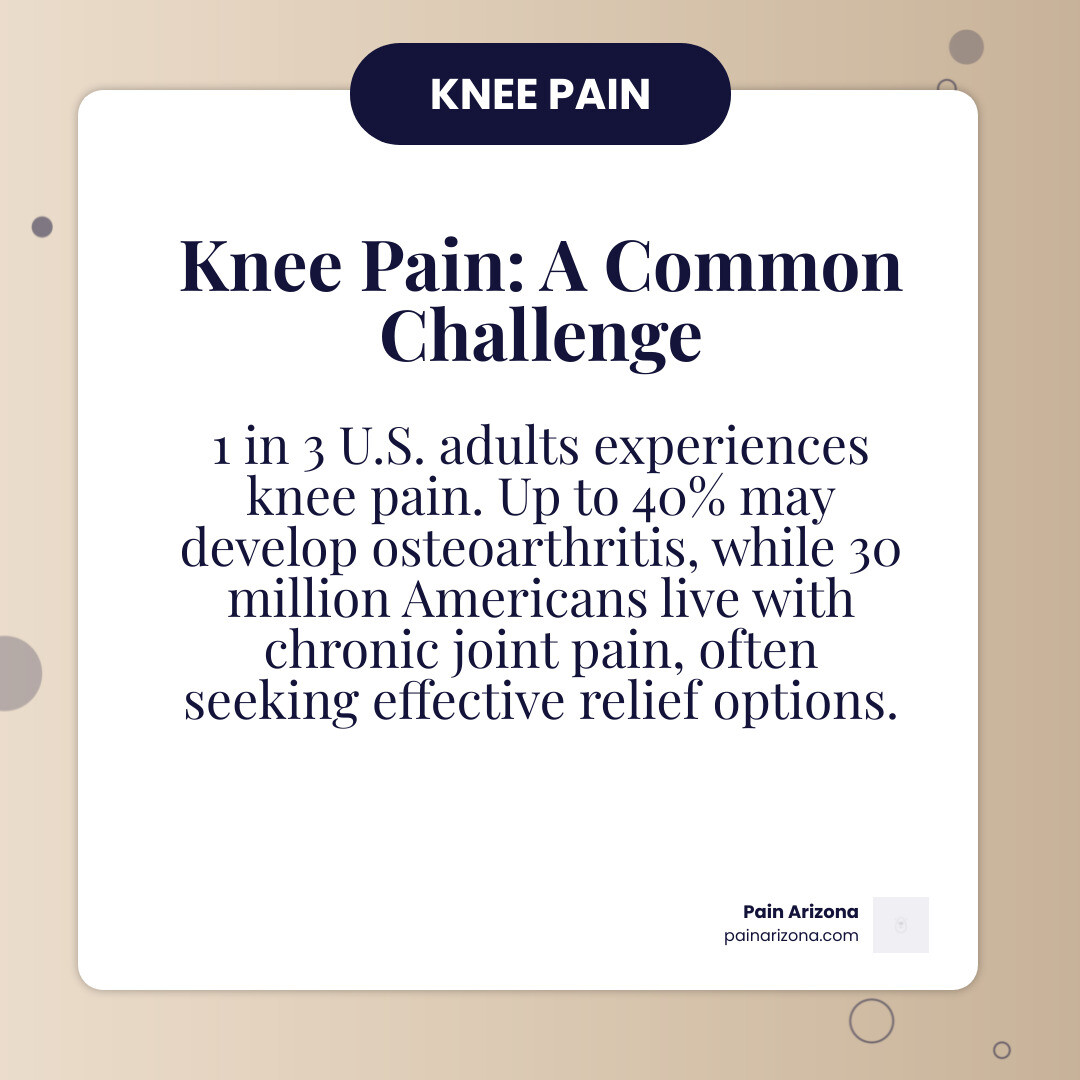
Knee pain is extremely common. One in three adults in the U.S. reports having it. Up to 40% of the population may develop knee osteoarthritis at some point. And for the 30 million Americans living with chronic joint pain, finding real, lasting relief can feel like an uphill battle. For broader context on how arthritis and joint disease affect daily function, the CDC’s arthritis resources offer helpful public health information.
If you’ve tried rest, over-the-counter medications, and basic physical therapy – and you’re still hurting – you’re not alone. And you may be wondering whether a cortisone injection is the next step.
This guide walks you through everything you need to know: how cortisone shots work, who they’re right for, what the procedure involves, and what your options are if cortisone isn’t the best fit.
I’m Dr. Nasser, a double board-certified PM&R and pain medicine physician with tens of thousands of minimally invasive procedures under my belt, including cortisone injection treatments for knee chronic pain at our Glendale-area Pain Arizona locations. I’ll help you understand your options so you can make a confident, informed decision about your care.
Understanding Cortisone Injections for Knee Pain
To understand how a cortisone injection helps, it helps to know what cortisone actually is. Cortisone is a type of corticosteroid. While many people hear the word “steroid” and think of bodybuilders, corticosteroids are entirely different. They are synthetic versions of cortisol, a hormone naturally produced by your adrenal glands in response to stress.
In the medical world, synthetic corticosteroids are used as incredibly potent anti-inflammatory agents. When injected directly into an aching, swollen joint, they act like a localized fire extinguisher, rapidly cooling down the hyper-active inflammatory response that causes chronic pain.
For a deeper dive into how these medications differ from other anti-inflammatory options, explore our detailed breakdown on cortisone vs corticosteroids.
For most of our patients in Glendale and across the Phoenix Area, receiving a targeted injection is a highly effective way to bypass the systemic side effects of oral anti-inflammatory medications. Instead of swallowing a pill that travels through your entire digestive tract and bloodstream, we place the medication exactly where it is needed most. You can read more about this localized approach in our guide to getting a cortisone shot in the knee.
How Cortisone Reduces Knee Joint Inflammation
Inside a healthy knee, a small amount of joint fluid (synovial fluid) keeps the joint lubricated, while a slippery layer of cartilage protects the ends of your bones from rubbing together. However, chronic wear and tear or injury can cause the joint lining to become severely inflamed. This inflammation degrades the quality of your joint fluid, accelerates cartilage breakdown, and irritates the local nerve endings.
When we perform a joint injection, we typically combine the corticosteroid with a fast-acting local anesthetic. This combination provides a two-phase benefit:
- Immediate Relief: The local anesthetic numbs the joint, offering rapid (though temporary) relief from mechanical pain and pressure.
- Long-Term Relief: Over the next 24 to 72 hours, the cortisone begins to shut down the production of inflammatory cells, reducing swelling and allowing the joint tissues a chance to rest and heal.
We specialize in administering these targeted therapies. To learn more about our specific approach to joint health, visit our page on Cortisone Shots at Pain Arizona.
Cortisone Injection Knee Chronic Pain Glendale: Common Causes and Candidates

Chronic knee pain is rarely a simple issue. Because the knee is the largest joint in the body and bears the brunt of our daily movements, it is highly susceptible to both acute injuries and degenerative wear.
In our Glendale clinic, we frequently recommend a cortisone injection for knee chronic pain in Glendale for patients dealing with the following conditions:
- Osteoarthritis (OA): The most common culprit, affecting up to 40% of the population. OA occurs when the protective cartilage cushioning the bones gradually wears away, leading to bone-on-bone friction and chronic inflammation.
- Rheumatoid Arthritis (RA): An autoimmune condition where the body’s immune system mistakenly attacks the joint linings. Interestingly, RA affects three to five times more women than men, often presenting between the ages of 20 and 50.
- Knee Bursitis: Inflammation of the small, fluid-filled sacs (bursae) that cushion the outside of your knee joint.
- Gout: A painful form of arthritis caused by the accumulation of uric acid crystals within the joint space.
- Tendonitis: Inflammation of the thick bands of tissue that connect your muscles to your bones (such as the patellar tendon).
If you are suffering from any of these conditions, understanding your diagnosis is the first step toward recovery. You can find comprehensive information about managing these symptoms in our resource on chronic knee pain, or learn about local care options on our dedicated Glendale pain management page.
Is a Cortisone Injection Knee Chronic Pain Glendale Treatment Right for You?
While cortisone is a powerful tool, it is not a magic cure-all, nor is it the right starting point for every patient. We generally consider a patient a prime candidate for a cortisone injection when:
- Their knee pain is accompanied by visible swelling, warmth, or significant joint stiffness.
- Conservative, first-line treatments — such as rest, ice, heat, over-the-counter pain relievers, and targeted physical therapy — have failed to provide adequate relief.
- The pain is severe enough to interfere with daily activities, sleep, or the ability to participate in rehabilitation exercises.
We always begin with a thorough medical history, physical examination, and diagnostic imaging (like X-rays or MRIs) to identify the true root cause of your pain. If you are exploring interventional options in the broader Valley area, check out our comprehensive knee injections in Phoenix to see how we tailor these treatments to individual patient needs.
The Procedure: What to Expect During and After Your Injection
Many patients feel a bit nervous before their first injection, but the actual procedure is straightforward, highly controlled, and typically takes less than 15 to 20 minutes from start to finish. Here is what you can expect when you visit us:
- Preparation and Positioning: You will be comfortably positioned, usually lying on your back with your knee slightly bent or straight.
- Sterilization: We thoroughly clean the skin over and around your knee joint with an antiseptic solution to prevent any risk of infection.
- Local Numbing: We apply a cold numbing spray or inject a small amount of local anesthetic to numb the skin and superficial tissues, making the actual joint injection much more comfortable.
- Guided Injection: Using advanced imaging guidance — such as real-time ultrasound or fluoroscopy (X-ray) — we carefully guide the needle directly into the precise joint space. This ensures the medication is delivered exactly where the inflammation is concentrated, maximizing safety and effectiveness.
- Fluid Removal (Optional): If your knee is heavily swollen, we may perform an “arthrocentesis” first. This involves withdrawing excess joint fluid through the needle before injecting the medication, which often provides immediate pressure relief.
- Medication Delivery: We gently inject the mixture of corticosteroid and local anesthetic. Once complete, we apply light pressure, clean the area, and place a small bandage over the injection site.
If you want to read more about how we utilize these imaging techniques to ensure precision, read our guide to Joint Injections at Pain Arizona.
If you are curious about the financial aspects of this treatment, we accept most insurance plans. We highly recommend checking with our office manager to see if your specific plan is accepted, and you can also read about the cost of cortisone injections to learn more about budgeting for your care.
What to Expect After Your Knee Injection
Once the procedure is complete, you will spend a few minutes in our recovery area for observation before heading home. Because of the local anesthetic used during the procedure, your knee may feel remarkably pain-free almost immediately. However, it is important to remember that this initial numbing wears off within a few hours.
The cortisone itself can take anywhere from 2 to 7 days to fully kick in. During this transition period, some patients experience what is known as a “cortisone flare.” This is a temporary increase in pain and localized swelling caused by the steroid crystals irritating the joint space before they dissolve.
To manage a cortisone flare and ensure a smooth recovery, we recommend these simple steps:
- Apply ice to the injection site for 15-20 minutes at a time to minimize soreness.
- Avoid strenuous activities, heavy lifting, or prolonged standing for the first 24 to 48 hours.
- Keep the injection site clean and dry, and avoid soaking in hot tubs, baths, or pools for at least 48 hours.
For a realistic look at the pros and cons of this recovery phase, take a look at our article demystifying cortisone injections.
Risks, Side Effects, and Frequency Limits
While cortisone injections are exceptionally safe when performed by experienced, board-certified specialists, they do carry some potential risks and limitations that must be carefully managed:
- Cartilage Breakdown: Repetitive, frequent steroid injections can actually accelerate cartilage loss and weaken the surrounding tendons over time. For this reason, we strictly limit injections in a single joint to no more than 3 to 4 times per year, with at least a three-month gap between treatments.
- Blood Sugar Elevation: Cortisone can cause a temporary spike in blood glucose levels. If you have diabetes, it is crucial to monitor your blood sugar closely for a few days following your injection.
- Infection Risk: Though extremely rare (less than 1 in 10,000 cases), introducing a needle into a joint carries a minor risk of infection. We mitigate this through strict sterile techniques.
- Skin Changes: Some patients may notice temporary skin whitening (depigmentation) or thinning of the fatty tissue directly around the injection site.
Alternatives to Cortisone for Chronic Knee Pain
For some patients — such as those with advanced cartilage loss, uncontrolled diabetes, or those who have reached their yearly limit of steroid shots — alternative treatments are highly recommended. Fortunately, modern pain management offers several effective non-surgical alternatives.
| Treatment Type | How It Works | Best For | Typical Relief Duration |
|---|---|---|---|
| Cortisone Injection | Powerful anti-inflammatory steroid that rapidly shuts down swelling. | Active inflammation, acute flare-ups, arthritis. | 1 to 6 months |
| Viscosupplementation | Injections of hyaluronic acid to restore joint lubrication and cushioning. | Mild to moderate osteoarthritis. | 6 to 12 months |
| Platelet-Rich Plasma (PRP) | Uses the patient’s own concentrated platelets to promote natural healing. | Mild arthritis, tendon injuries, active patients. | Varies individually |
| Physical Therapy | Focused exercises to strengthen the muscles supporting the knee joint. | All chronic knee conditions (as a foundational therapy). | Long-term (with continued exercise) |
Viscosupplementation is a particularly popular alternative for patients with osteoarthritis. By injecting hyaluronic acid — a substance naturally found in healthy joint fluid — we can restore the joint’s natural lubrication, reducing friction and delaying the need for surgical intervention. You can learn more about how this works on our dedicated viscosupplementation page.
Finding a Provider for Your Cortisone Injection Knee Chronic Pain Glendale
When choosing a provider for your knee injection, it is vital to select a team that views injections as one piece of a larger, comprehensive recovery plan. An injection should never be a standalone, “one-and-done” treatment. Instead, it should be used to open a “window of pain relief” that allows you to actively participate in physical therapy, rebuild joint-supporting muscle, and make lasting lifestyle adjustments.
At Pain Arizona, we pride ourselves on offering this exact level of integrated, compassionate care. Our double board-certified physicians specialize in using state-of-the-art imaging guidance to ensure every treatment is as safe, precise, and comfortable as possible. If you are located in the East Valley, we also offer these expert services at our Gilbert knee pain clinic.
Frequently Asked Questions About Knee Cortisone Shots
To help you feel completely prepared for your consultation, we have gathered quick answers to some of the most common questions our Glendale patients ask:
How long does a cortisone shot in the knee last?
The duration of pain relief varies significantly from person to person. On average, patients experience substantial relief lasting anywhere from 4 weeks to 6 months. In cases of acute inflammation (like a sudden gout attack or bursitis flare-up), a single injection may resolve the issue entirely. For advanced degenerative osteoarthritis, the relief may be shorter-lived.
Do knee cortisone injections hurt?
Most patients find the procedure to be highly tolerable, describing it as a quick pressure sensation rather than sharp pain. Because we utilize a topical numbing spray and a local anesthetic before the injection, the discomfort is kept to an absolute minimum.
How many cortisone shots can you have in a knee?
To protect your joint health and prevent cartilage breakdown, we generally recommend limiting cortisone injections to no more than 3 to 4 times per year in a single joint. If you require more frequent relief, we will work with you to explore alternative treatments like viscosupplementation, physical therapy, or regenerative medicine options.
Conclusion
Chronic knee pain doesn’t have to dictate how you live your life, keep you from enjoying walks at Thunderbird Conservation Park, or make simple daily activities feel like a chore. Whether a cortisone injection for knee chronic pain in Glendale is the right immediate step or an alternative treatment is better suited for your goals, our team at Pain Arizona is here to guide you every step of the way.

Our double board-certified physicians are dedicated to providing personalized, evidence-based, and minimally invasive care designed to treat the root cause of your pain. We accept most major insurance plans and are ready to help you regain your mobility and comfort.
Don’t wait for the pain to get worse. Book an appointment with Pain Arizona today and take your first step toward a more active, pain-free future!