
Find Your Relief: Best Pain Treatment Centers in Phoenix & Mesa
Taking the First Step Towards Neuropathy Relief
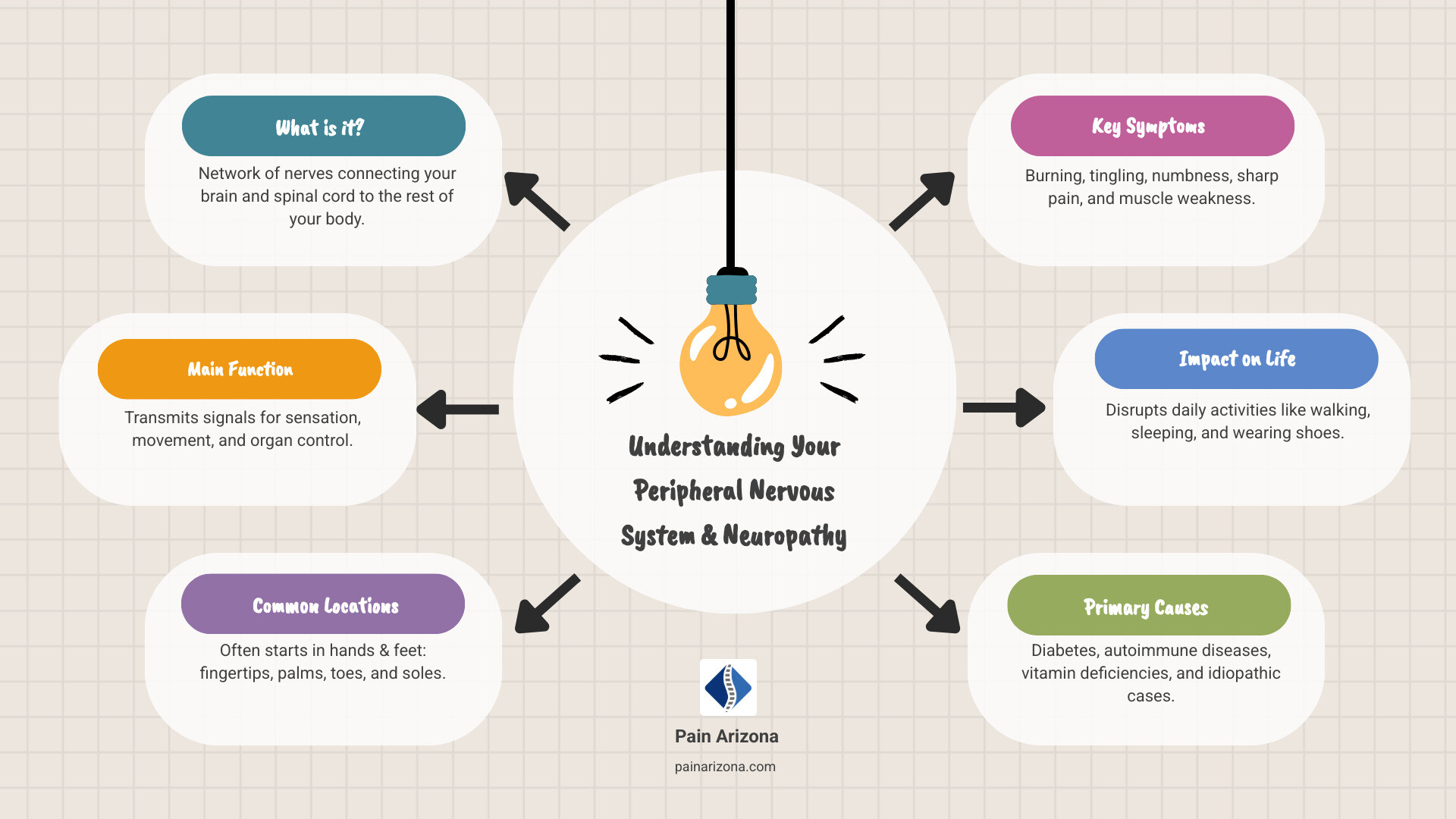
Neuropathy treatment Phoenix offers hope for residents dealing with the burning, tingling, and numbness that disrupts daily life. Peripheral neuropathy is damage to the nerves outside your brain and spinal cord, typically starting in the hands or feet. Its impact on quality of life can be severe, making simple tasks like walking or sleeping a challenge.
Many conditions can cause neuropathy. For instance, about half of all people with diabetes develop some form of nerve damage, a condition you can learn more about in this guide on Diabetic Neuropathies. However, autoimmune diseases, infections, and vitamin deficiencies can also be culprits.
The good news is that you don’t have to accept neuropathy as your new normal. Modern neuropathy treatment Phoenix centers offer a range of evidence-based therapies to reduce symptoms and slow progression, including:
- Medical & Lifestyle Management: Medications, physical therapy, nutritional support, and blood sugar control.
- Interventional Procedures: Nerve blocks, spinal cord stimulation, and radiofrequency ablation.
- Emerging Therapies: Scrambler therapy, regenerative medicine, and Low-Level Light Therapy (LLLT).
I’m Dr. Nasser, Chief Medical Officer and Medical Director at Pain Arizona. My team and I are dedicated to helping people with complex pain find lasting relief. We use minimally invasive procedures and comprehensive neuropathy treatment Phoenix approaches to address the root causes of nerve pain, not just mask the symptoms.
Understanding your options is the first step toward relief. Let’s explore what’s available to you in the Phoenix area.
Understanding Neuropathy: Causes, Types, and Symptoms
Neuropathy occurs when nerve damage disrupts communication between your brain and the rest of your body. When these peripheral nerve pathways are damaged, they can send false pain signals or fail to transmit sensations properly.
In about 30% of cases, the cause is unknown (“idiopathic” neuropathy). However, in many other cases, we can identify and address the culprit directly. Diabetes is the most common known cause, accounting for another 30% of cases. Persistently high blood sugar damages the small blood vessels that supply nerves, leading to the classic symptoms of burning and tingling. You can learn more about this specific condition on our diabetic peripheral neuropathy page.
Other common causes include:
- Autoimmune Diseases: Conditions like lupus or rheumatoid arthritis where the immune system attacks nerve tissue.
- Nutritional Deficiencies: A lack of essential B vitamins (B1, B6, B12) can cause significant nerve damage.
- Infections & Trauma: Shingles, Lyme disease, or physical injuries can directly harm nerves.
- Medications: Certain drugs, particularly for chemotherapy, are known to cause neuropathy.
Understanding the cause is critical for effective neuropathy treatment Phoenix strategies. For a solid foundation on the basics, the Peripheral Neuropathy – The Basics resource offers excellent information.
Common Symptoms You Shouldn’t Ignore
Many people wait too long to seek help, assuming their symptoms will resolve on their own. Ignoring neuropathy can lead to permanent nerve damage that is much harder to treat. Early diagnosis is key.

Symptoms depend on which nerves are affected, but certain warning signs warrant a call to a specialist:
- Sensory Symptoms: A “pins and needles” feeling, sharp or burning pain, extreme sensitivity to touch, or a gradual loss of sensation. Numbness is particularly dangerous as it can lead to unnoticed injuries.
- Motor Symptoms: Muscle weakness, difficulty gripping objects, painful cramps, and poor balance or coordination, which can increase the risk of falls.
- Autonomic Symptoms: Dizziness upon standing, digestive issues, excessive or absent sweating, and bladder problems.
If these symptoms are familiar and worsening, don’t wait. Early intervention can slow or halt the progression of nerve damage.
The Main Types of Neuropathy
Understanding your specific type of neuropathy helps us create the most effective treatment plan.
- Sensory Neuropathy: Affects nerves for touch, temperature, and pain. It can cause burning pain, tingling, or numbness.
- Motor Neuropathy: Targets nerves controlling muscles, leading to weakness, cramps, and loss of coordination.
- Autonomic Neuropathy: Impacts involuntary functions like heart rate, blood pressure, and digestion.
Neuropathy can also be classified by how many nerves are affected. Mononeuropathy involves a single nerve (e.g., carpal tunnel syndrome), while polyneuropathy is more common and affects multiple nerves, typically starting in the hands and feet.
Different conditions, like diabetes or chemotherapy, create specific types of neuropathy. Each type presents unique challenges, which is why a comprehensive evaluation and personalized neuropathy treatment Phoenix plan are essential for lasting relief.
Comprehensive Neuropathy Treatment in Phoenix: What Are Your Options?
The goal of neuropathy treatment Phoenix is to manage your pain effectively while addressing the underlying cause whenever possible. Because every person’s neuropathy is different, we use a multi-disciplinary approach, combining various therapies to create a personalized toolkit for your specific needs.

Advances in medical science mean that significant relief is possible. Let’s walk through the range of options available to you in Phoenix.
Foundational and Medical Management
These strategies are often the cornerstone of effective care.
- Medications: Anti-seizure drugs like Gabapentin and Lyrica (Pregabalin) calm overactive nerves. Certain antidepressants (like Cymbalta) are also effective at modifying pain signals. Finding the optimal dose is key, and we work with you to achieve this.
- Topical Treatments: Creams and patches containing lidocaine or capsaicin can provide localized relief with fewer systemic side effects.
- Physical Therapy: A skilled therapist can design exercises to improve strength, balance, and coordination, helping to prevent falls and maintain independence.
- Nutritional Support: Nerves need specific nutrients to heal. We may recommend supplements like Vitamin B complex (B1, B6, B12), Alpha-lipoic Acid (ALA), or Acetyl-L-carnitine to support nerve health, always ensuring they are safe and appropriate for you.
Advanced Interventional Neuropathy Treatment in Phoenix
When foundational treatments aren’t enough, these minimally invasive procedures offer powerful, lasting solutions.
- Nerve Blocks: An injection of anesthetic near the affected nerve can provide immediate relief and help diagnose the pain source. Learn more on our page about Nerve Blocks.
- Spinal Cord Stimulation (SCS): A small, implanted device sends mild electrical pulses to the spinal cord, interrupting pain signals before they reach the brain. This is a long-term solution for chronic, hard-to-treat pain.
- Radiofrequency Ablation: This procedure uses heat to create a lesion on a specific nerve, blocking its ability to transmit pain for months or even years.
- TENS Units: A portable device delivers a low-voltage electrical current through skin electrodes to disrupt pain signals and stimulate natural endorphins.
Emerging and Alternative Neuropathy Treatment in Phoenix
We are excited about several emerging therapies that can be integrated into a holistic treatment plan.
- Regenerative Medicine: Approaches like Platelet-Rich Plasma (PRP) use your body’s own growth factors to stimulate tissue repair and nerve regeneration.
- Scrambler Therapy (Calmare Device): This non-invasive, FDA-cleared device sends “no-pain” signals to retrain the brain, successfully reducing pain in over 80% of treated patients in clinical studies.
- Low-Level Light Therapy (LLLT): Also known as photobiomodulation, this therapy uses specific wavelengths of light to increase blood flow and support nerve healing, with a high success rate reported in peer-reviewed studies.
- Acupuncture and Biofeedback: Acupuncture has been shown to reduce pain and numbness, while biofeedback can help you learn to control bodily functions to manage pain and stress.
Finally, lifestyle changes like a balanced diet, regular exercise, and quitting smoking are foundational to creating an environment where nerves can heal. We believe in exploring all viable options to provide the most comprehensive neuropathy treatment Phoenix has to offer.
The Path to Diagnosis and Long-Term Management
Getting the right diagnosis and creating a solid long-term management plan can change everything. If you’re experiencing persistent numbness, tingling, burning pain, or balance problems, it’s time to see a doctor. The sooner you get help, the better your chances of preventing permanent nerve damage and serious complications like falls or non-healing foot ulcers.
Our diagnostic process begins with a comprehensive neurological and physical exam to check your reflexes, muscle strength, and sensation. We also review your full medical and family history. From there, we may recommend specific tests:
- Electromyography (EMG) and Nerve Conduction Studies (NCS): These tests measure the electrical activity of your nerves and muscles to identify the location and severity of nerve damage.
- Blood Tests: These can reveal underlying causes like diabetes, vitamin deficiencies (especially B12), or autoimmune conditions.
- Other Tests: Depending on your symptoms, we might use a skin biopsy to check for small fiber neuropathy or MRI/CT scans to rule out structural issues like nerve compression.
Once we have a diagnosis, we focus on long-term management. Your daily habits play a tremendous role. For diabetic neuropathy, strict blood sugar control is the most important factor in slowing damage and allowing nerves to heal. A balanced diet and regular, safe exercise improve blood flow and can reduce pain levels.
For anyone with neuropathy in their feet, diligent foot care is essential. Check your feet daily for cuts or sores, keep them clean, and wear well-fitting shoes to prevent serious complications.
How to Find the Right Specialist
Finding the right specialist for neuropathy treatment Phoenix is crucial. Look for physicians who are board-certified in pain management and have extensive experience treating neuropathy.
I’m Dr. Nasser, and at Pain Arizona, our double board-certified physicians believe in a patient-centered approach. A thorough evaluation is non-negotiable; we take the time to listen to you and perform a complete diagnostic workup to identify the root cause of your pain. We prioritize evidence-based, minimally invasive treatments that offer better outcomes with less downtime.
When considering a treatment, ask smart questions: “How will this impact my symptoms in five or ten years?” and “What are the risks and backup plans?” We are committed to providing clear, honest answers and creating a plan for lasting relief. For more on our philosophy, visit our Pain Arizona FAQs. We serve Phoenix, Mesa, Gilbert, Scottsdale, and Glendale and accept most insurance plans.
Frequently Asked Questions about Neuropathy
Living with nerve pain brings up many questions. Here are answers to common concerns for those seeking neuropathy treatment Phoenix.
Can peripheral neuropathy be reversed?
The answer is nuanced, but hopeful. Some types of neuropathy, especially those from treatable causes like a vitamin B12 deficiency, can improve dramatically or even resolve with early treatment. For other types, complete reversal may not be possible, but peripheral nerves have a remarkable capacity to heal when given the right support.
Even when a cure isn’t possible, we can often halt the progression of nerve damage and manage symptoms effectively to reclaim your quality of life. Our goals are to stop further damage, reduce your pain, improve your daily function, and address the root cause.
What is the most effective treatment for neuropathy?
There is no single “miracle treatment” that works for everyone. The most effective treatment is a personalized plan custom to the cause of your neuropathy, the severity of the damage, and your individual needs. This is why a comprehensive diagnosis is so critical.
Our approach often combines different strategies. For example, a patient with diabetic neuropathy might benefit from blood sugar control and spinal cord stimulation, while someone with chemotherapy-induced neuropathy might find relief with Scrambler therapy and nutritional support. The “most effective” treatment is the one custom-designed for you.
How much does neuropathy treatment cost in Phoenix?
The cost of neuropathy treatment Phoenix varies depending on the specific treatments you need. Medical management with medications is different from advanced procedures like spinal cord stimulation or Scrambler therapy.
We accept most insurance plans, and our team can help you understand your coverage. We encourage you to check with our office manager to see if your plan is accepted. For treatments not fully covered, we offer payment plans to make care accessible. Investing in the right care now can prevent more costly complications and suffering down the road. We are committed to finding a solution that works for you both medically and financially.
Your Next Step to a Pain-Free Life in Phoenix
You’ve taken an important step by learning about your condition. Living with the constant burning, tingling, and numbness of neuropathy is challenging, but you don’t have to accept it as your new normal. As we’ve explored, there are many real, evidence-based solutions available for neuropathy treatment Phoenix has to offer.
From medical management and physical therapy to advanced options like spinal cord stimulation and emerging therapies like Scrambler therapy, relief is possible. The key is finding the right combination of treatments custom to your unique situation.
At Pain Arizona, our double board-certified physicians are dedicated to this personalized approach. We take the time to conduct a thorough evaluation, identify the underlying cause of your pain, and create a treatment plan focused on lasting results, not just temporary fixes. We prioritize compassionate care and minimally invasive techniques to address the root of your pain.
We serve the entire Greater Phoenix Area, including Phoenix, Mesa, Gilbert, Scottsdale, and Glendale. The hardest part of any journey is the first step, and you’ve already begun. Now, let’s turn that knowledge into action. Whether you have diabetic neuropathy, chemotherapy-induced nerve damage, or idiopathic pain, we are here to help you find the relief you deserve.
Your path to better days starts with a conversation. Let’s work together to reclaim your comfort and quality of life.
Explore our comprehensive neuropathy treatments
We accept most insurance plans. Check with our office manager to see if your plan is accepted, and let’s get started on your journey to relief.