
The Lowdown on Cortisone Shots for Aching Finger Joints
Can Finger Joints Be Injected with Cortisone Safely?
Can finger joints be injected with cortisone? Yes — and it’s one of the most effective non-surgical options for finger and hand pain relief.
Here’s a quick answer:
| Question | Answer |
|---|---|
| Can finger joints be injected with cortisone? | Yes, all major finger joints (DIP, PIP, MCP, CMC) can be injected |
| What does it treat? | Arthritis, trigger finger, gout, rheumatoid arthritis, and more |
| Is it safe? | Yes, when performed by a trained provider with proper technique |
| How long does relief last? | Several weeks to several months |
| How often can it be repeated? | Usually no more than 2-3 times per joint per year |
If you’ve been dealing with stiff, swollen, or painful finger joints, you already know how much it affects everyday life. Gripping a coffee cup, typing, opening a jar — things most people never think about.
The good news: cortisone injections can deliver powerful, targeted relief directly to the source of that pain.
Cortisone is a synthetic version of a hormone your body already makes. It works by calming inflammation inside the joint. When pain comes from a swollen, irritated joint, getting the medication right there — rather than taking a pill that travels through your whole body — often works faster and more effectively.
But small joints like fingers present a real challenge. The joint spaces are narrow, and conditions like arthritis can make them even tighter. That’s why technique matters.
I’m Dr. Nasser — a double board-certified PM&R and pain medicine physician with experience in fluoroscopy- and ultrasound-guided injections, including treating patients asking whether can finger joints be injected with cortisone is the right option for their specific condition. In this guide, I’ll walk you through everything you need to know, from how the procedure works to what results you can realistically expect.
Learn more about can finger joints be injected with cortisone:
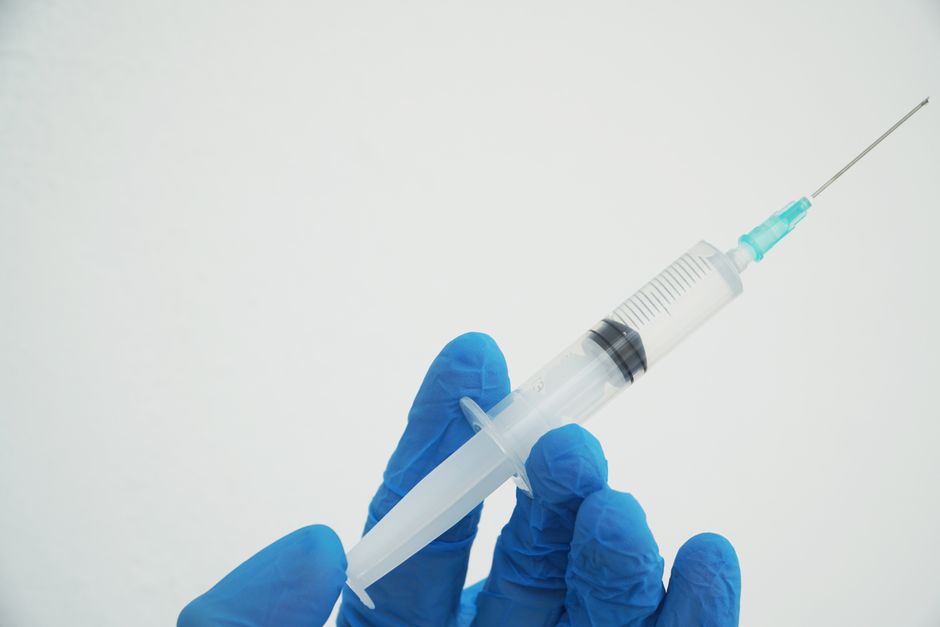
When patients ask us, “Wait, you can actually fit a needle in there?” the answer is a resounding yes. While finger joints are incredibly small, they are fully functional synovial joints, meaning they have a capsule that can hold medication.
We can safely inject all the primary joints of the hand:
- DIP (Distal Interphalangeal) Joints: The joints closest to your fingernails.
- PIP (Proximal Interphalangeal) Joints: The middle joints of your fingers.
- MCP (Metacarpophalangeal) Joints: Your large knuckles where the fingers meet the hand.
- CMC (Carpometacarpophalangeal) Joint: The “basal” joint at the bottom of your thumb.
According to the American Society for Surgery of the Hand, a Cortisone Shot: Purposes and Risks are well-documented and provide a high safety profile when performed in a clinical setting. Because these joints are so small, we often use a very fine 25-gauge or 27-gauge needle.
To ensure the procedure is as comfortable as possible, we typically perform this as a standard office procedure using a local anesthetic. This numbs the skin and the joint capsule before the cortisone is administered. For more complex cases where the joint space is severely narrowed by arthritis, we use precision guidance to ensure the medicine goes exactly where it needs to be. You can find More info about joint steroid injections on our dedicated treatment page.
Conditions Treated with Finger Joint Cortisone Injections
Finger pain isn’t a “one-size-fits-all” problem. There are several different reasons why your digits might be acting up, and cortisone is a versatile tool for many of them.
- Osteoarthritis (OA): This is the “wear and tear” arthritis. It’s especially common in the thumb (CMC joint) and the DIP joints. Cortisone helps by reducing the “bone-on-bone” inflammation.
- Rheumatoid Arthritis (RA) and Psoriatic Arthritis: These are autoimmune conditions where the body attacks the joint lining (synovium). Cortisone is excellent at calming these flares.
- Trigger Finger: Technically known as stenosing tenosynovitis, this happens when the tendon sheath thickens. We inject the steroid near the “pulley” at the base of the finger to let the tendon slide freely again. You can read more about Trigger finger from the AAOS.
- De Quervain’s Tenosynovitis: This affects the tendons on the thumb side of your wrist.
- Gout: When uric acid crystals build up in a finger joint, the pain is excruciating. A localized injection can provide rapid relief.
We’ve put together a quick look at how these injections typically perform for our patients:
| Condition | Typical Success Rate | Notes |
|---|---|---|
| Trigger Finger | 60% – 90% | Often curative after 1-2 shots |
| Thumb CMC Arthritis | 50% – 70% | Relief duration varies by stage |
| Rheumatoid Arthritis | High | Excellent for localized “flare” control |
| Gout | High | Provides very rapid inflammatory relief |
If you are curious about how these fit into a broader plan, check out Everything You Need to Know About Joint Injections for a comprehensive breakdown.
The Procedure: How Finger Joints Are Injected
If you’re nervous about the idea of a needle in your finger, don’t worry—the process is much faster and simpler than most people imagine. We follow a strict clinical protocol to ensure accuracy and safety.
First, we create a sterile field by cleaning the skin thoroughly. In some cases, especially for the thumb joint, we may use “finger traps” or manual traction. This gently pulls the joint open just a millimeter or two, which creates a much easier path for the needle to enter the joint space.
We often use fluoroscopy (live X-ray) or ultrasound guidance. This allows us to see the needle in real-time. For the thumb, we often look for the “anatomic snuffbox”—that little triangular dip at the base of your thumb—as a landmark for entry.
Once the needle is in the correct spot, we deliver a mixture of:
- Methylprednisolone or Triamcinolone: The long-acting corticosteroid.
- Lidocaine: A local anesthetic that provides immediate (though temporary) numbing.
This combination is part of our Intra-Articula Joint Injections protocol, designed to maximize comfort and effectiveness.
Preparing for Your Finger Joint Injection
You don’t need to do much to get ready, but a little preparation goes a long way. We’ll start by reviewing your medical history. It is vital to tell us if you are on any anticoagulants (blood thinners), as this can increase the risk of bruising.
If you have anxiety about needles, please let us know! We are experts at helping patients relax. We recommend wearing loose clothing so your arm and hand are easily accessible. For a deeper dive into the prep work, see What You Should Know about Steroid Injections in the Finger.
Risks, Side Effects, and Frequency Limits
While cortisone is a medical “superhero” for many, it does have some side effects we need to watch out for. Most are mild and localized to the injection site.
- Skin Atrophy and Depigmentation: Sometimes the skin at the injection site can thin out or turn a lighter color. This is more common in the small joints of the hand because the skin is so thin.
- Fat Loss: The “fat pad” around the joint can shrink slightly.
- Tendon Weakening: This is why we are very careful not to inject directly into a tendon. Repeated injections in the same spot can weaken the tissue over time.
- Blood Sugar Spikes: If you have diabetes, be aware that cortisone can raise your blood sugar for 24 to 48 hours. We recommend monitoring your levels closely for a few days after the procedure.
- Infection: This is very rare (less than 1%), but we always watch for increased redness or fever.
You can find a full list of Steroid Injections: Benefits & Side Effects in our patient resources. If you experience any unusual symptoms like facial flushing or a “flare” of pain, don’t panic—these are usually temporary. We’ve detailed these in our Cortisone Injection overview.
How Often Can Finger Joints Be Injected with Cortisone?
This is a critical question. We generally follow the “three-month rule.” This means we try to wait at least three months between injections in the exact same joint.
Why the limit? Because we care about your long-term cartilage health. While cortisone reduces pain, too much of it can actually accelerate the breakdown of cartilage or weaken the ligaments. Most physicians, including us here in Arizona, limit injections to a maximum of three per year in any single joint. We monitor your tissue integrity and cumulative effects at every visit to ensure we aren’t doing more harm than good.
Recovery and Long-Term Success Rates
Recovery is usually a “walk in the park.” We ask you to give the hand a 24-hour rest immediately following the shot. This gives the medication time to settle into the joint tissues rather than being pumped out by movement.
- Ice Packs: Use them for 20 minutes on and 20 minutes off during the first day to keep swelling down.
- Activity Limits: Avoid heavy lifting, vibrating tools, or strenuous gripping for about one week.
- Physical Therapy: We often pair injections with hand therapy. Once the pain is down, a therapist can help you strengthen the muscles around the joint to prevent the pain from coming back.
The Arthritis Foundation provides excellent tips on Injections for Arthritis in Hands that mirror our post-op advice. For more on what to expect, visit our Joint Injections page.
Expected Relief After Finger Joints Are Injected with Cortisone
So, when will you feel better?
- Immediate (1-2 hours): You’ll feel great because of the lidocaine (numbing medicine).
- The “Gap” (Day 1-3): As the lidocaine wears off, the pain might actually return or even feel slightly worse. This is called a “cortisone flare.”
- The “Sweet Spot” (Day 4-7): This is when the steroid really kicks in. Most patients see significant improvement within one week.
Success rates are quite high. For trigger finger, studies show a 60-90% resolution rate. For arthritis, the goal is often “management” rather than a “cure,” providing several months of improved mobility and pain reduction.
Frequently Asked Questions about Finger Injections
Does the injection hurt?
Most patients describe it as a “quick pinch and a sting.” Because we use very tiny needles and often apply a topical numbing cream or local anesthetic first, the actual “pain” part lasts only a few seconds. The entire procedure is usually done in about 10 to 15 minutes.
How long does the relief last?
It varies. For some, a single injection might keep trigger finger away for years. For chronic arthritis, relief typically lasts anywhere from six weeks to six months. If the pain returns quickly, it may be a sign that we need to look at other long-term management options.
Are there alternatives to cortisone?
Absolutely. If cortisone isn’t right for you, we can discuss:
- Hyaluronic Acid: Often used “off-label” for the thumb joint to provide lubrication.
- PRP (Platelet-Rich Plasma): Using your own blood’s healing factors to treat joint tissue.
- Splinting & Bracing: Sometimes giving the joint a “break” is the best medicine.
- Hand Therapy: Building strength to take the pressure off the joint.
You can explore these in our guide to Arthritis Types and Treatments.
Conclusion
At Pain Arizona, we believe that you shouldn’t have to live with hand pain that stops you from enjoying your life. Whether it’s a nagging trigger finger or the deep ache of thumb arthritis, we are here to help you find the right path forward.
I’m Dr. Nasser, and our team of double board-certified physicians is dedicated to providing compassionate, evidence-based care across the Greater Phoenix Area—including Mesa, Gilbert, Scottsdale, and Glendale. We specialize in minimally invasive treatments that target the root cause of your pain, not just the symptoms.
We accept most insurance plans. Check with our office manager to see if your plan is accepted. Ready to get back to doing what you love? Schedule a consultation for joint injections today at one of our convenient Arizona locations.