
Step-by-Step Guide to Pain Management
Why Effective Pain Management Can Change Your Life
Pain management is the medical practice of evaluating, treating, and reducing pain — using a combination of therapies tailored to your specific condition and goals.
Here’s a quick overview of what modern pain management includes:
| Approach | Examples |
|---|---|
| Non-drug therapies | Physical therapy, cognitive behavioral therapy, mindfulness |
| Non-opioid medications | NSAIDs, acetaminophen, antidepressants, anticonvulsants |
| Interventional procedures | Epidural injections, radiofrequency ablation, spinal cord stimulation |
| Complementary therapies | Acupuncture, yoga, tai chi |
| Lifestyle changes | Exercise, sleep hygiene, stress management |
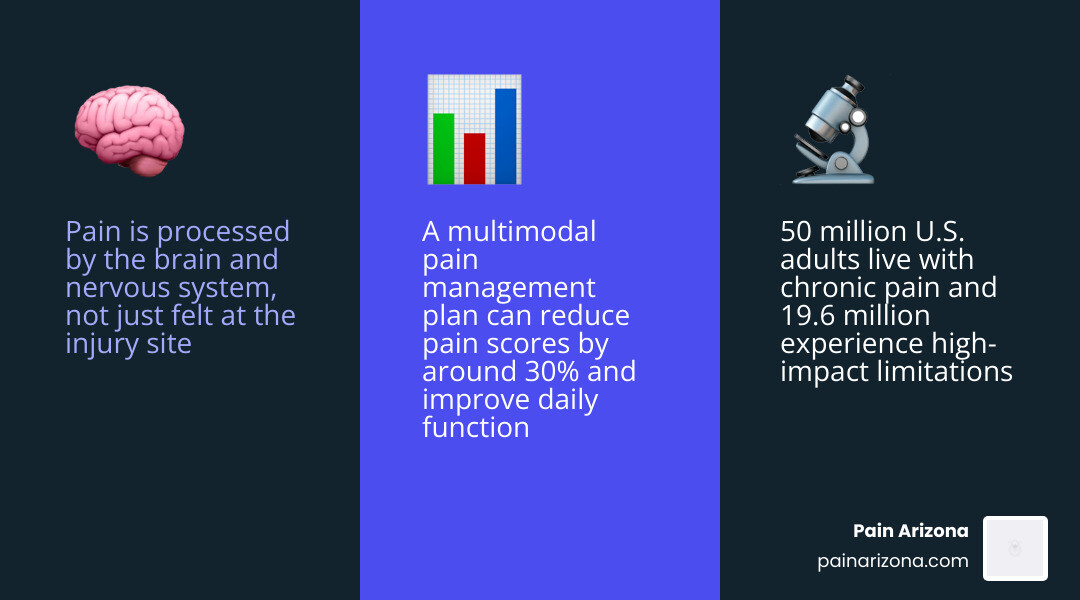
If you’re living with pain that won’t go away, you’re far from alone. According to the CDC, 50 million U.S. adults have chronic pain. Of those, 19.6 million experience what’s called high-impact chronic pain — pain severe enough to limit at least one major life activity. One in three of those people struggles with basic self-care, like getting dressed.
Chronic pain isn’t just physical. It affects your sleep, your mood, your relationships, and your ability to work. It can raise your blood pressure, trigger depression, and make it feel impossible to enjoy the things that matter most to you.
The good news? You don’t have to keep living this way. Current evidence shows that a well-designed, multimodal pain management plan can reduce pain scores by around 30% — and more importantly, help you function better and live more fully.
I’m Dr. Nasser, a double board-certified physician in Physical Medicine and Rehabilitation and pain medicine, with over 15 years of experience performing tens of thousands of minimally invasive procedures and building personalized pain management plans for patients with complex, chronic conditions. In this guide, I’ll walk you through exactly how modern pain care works — step by step — so you can make confident, informed decisions about your health.
Understanding Pain: Acute vs. Chronic
To manage pain effectively, we first have to understand what we are dealing with. Pain is not a one-size-fits-all experience. It is a highly subjective signal processed by your nervous system, and it generally falls into two distinct categories: acute and chronic.
Acute Pain: The Body’s Alarm System
Acute pain is your body’s natural protective mechanism. When you stub your toe, burn your finger on a hot stove, or recover from a surgical procedure, your nociceptors (pain-sensing nerve endings) send an immediate “danger!” signal to your brain. This type of pain is directly tied to tissue damage, behaves predictably, and gradually resolves as the underlying tissue heals.
Chronic Pain: When the Alarm System Gets Stuck
Chronic pain is entirely different. It is defined as pain that persists for more than three months, or well beyond the normal time expected for tissue healing. In many cases, chronic pain ceases to be a warning symptom of an injury and instead becomes a distinct disease process of its own.
The neurobiologic mechanisms behind chronic pain are complex. While some chronic discomfort stems from ongoing nociceptive issues (like joint inflammation in osteoarthritis), other forms are neuropathic, meaning they are caused by direct damage or irritation to the sensory nervous system itself (such as diabetic neuropathy or sciatica).
Over time, untreated or undertreated pain can lead to a phenomenon known as central sensitization. Think of this as the volume knob of your central nervous system getting turned all the way up and stuck there. Even minor touch or movement is interpreted by the brain as severe pain. To dive deeper into how these pathways function, you can read the Scientific research on pain mechanisms.
| Characteristic | Acute Pain | Chronic Pain |
|---|---|---|
| Duration | Short-term (days to weeks) | Long-term (months, years, or lifetime) |
| Purpose | Warning signal of damage or injury | No biological purpose; a disease in itself |
| Cause | Specific event, injury, or surgery | Often complex, multifactorial, or unknown |
| Nervous System Role | Standard nociceptive signaling | Central sensitization & nerve remodeling |
| Primary Treatment Goal | Cure the cause, relieve temporary symptoms | Restore daily function and quality of life |
Because chronic pain changes how your brain and spinal cord process sensations, successful recovery requires specialized, Evidence-Based Pain Management that addresses these neurological shifts rather than simply masking symptoms.
Designing a Personalized Pain Management Plan

At Pain Arizona, we do not believe in cookie-cutter medicine. Your pain is unique, which means your recovery path must be as well. A comprehensive pain management plan begins with an in-depth clinical evaluation.
When you visit us at our clinics across the Greater Phoenix Area—whether you see us at our Pain Management Clinic Phoenix or our offices in Mesa, Gilbert, Scottsdale, or Glendale—we look at the complete picture.
The Biopsychosocial Assessment
We utilize the biopsychosocial model of pain. This means we evaluate:
- Biological factors: Your physical examination, imaging (like MRIs or X-rays), and diagnostic nerve blocks.
- Psychological factors: How pain affects your sleep, stress levels, and emotional well-being (depression and anxiety are four times more common in those with chronic pain).
- Social factors: Your ability to work, interact with family, and perform daily chores.
Setting Functional Goals
While a 30% reduction in pain intensity is a fantastic medical milestone, we care just as much about your functional goals. Can you walk your dog around the block? Can you play with your grandchildren? Can you sit comfortably at your desk for a full workday?
Working with a Board Certified Pain Specialist who understands these nuances is crucial. As a Double Board Certified Doctor, I coordinate with our multidisciplinary team to ensure your plan aligns with established Clinical guidelines on chronic pain management to maximize safety and efficacy.
Multimodal Treatment Options for Lasting Relief
The most successful chronic pain relief comes from combining different therapeutic tools. Think of your treatment plan as a team of specialists working together; no single player can win the game alone. By utilizing interdisciplinary care, we can target pain from multiple angles simultaneously.
Physical Therapy and Rehabilitation
Physical therapy is often a cornerstone of our recovery plans. Gentle, guided exercise therapy helps rebuild core strength, improves joint mobility, and desensitizes a hyperactive nervous system.
Psychological Approaches
Because chronic pain physically alters brain chemistry, psychological strategies like Cognitive Behavioral Therapy (CBT) and Acceptance and Commitment Therapy (ACT) are incredibly powerful. These therapies don’t mean your pain is “in your head.” Rather, they give you concrete mental tools to reduce the emotional distress, anxiety, and sleep disturbances that amplify physical pain.
We invite you to explore Finding the Perfect Balance Between Wellness and Pain Management to learn how these therapies work in harmony.
Non-Opioid and Interventional Pain Management
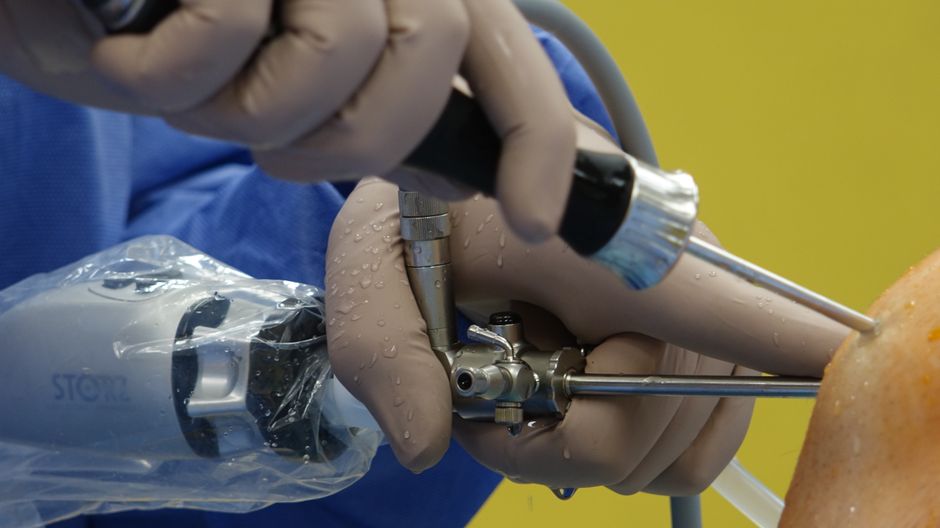
When conservative measures like physical therapy need an extra boost, we utilize targeted medical interventions and non-opioid medications. Our goal is to reduce your reliance on heavy systemic medications while directly addressing the root cause of your discomfort.
Non-Opioid Medications
We often recommend a carefully monitored regimen of non-opioid options:
- NSAIDs & Acetaminophen: To control local inflammation. (Always keep acetaminophen under 4 grams daily to protect your liver!)
- Adjuvant Medications: Certain anticonvulsants (like gabapentin) and antidepressants (like SNRIs) are highly effective at calming overactive, damaged nerves.
Advanced Interventional Procedures
If you are seeking faster, localized relief, minimally invasive interventional procedures can be life-changing. We perform these right here in our valley offices, including our specialized locations for Pain Management in Mesa Arizona, Pain Management Glendale, and Pain Management Peoria AZ.
- Epidural Steroid Injections (ESIs): Excellent for relieving severe radiating leg or arm pain caused by herniated discs.
- Joint & Trigger Point Injections: Targeted therapy to soothe arthritis or intense muscle spasms.
- Radiofrequency Ablation (RFA): A technique that uses heat to temporarily turn off the sensory nerves sending pain signals from arthritic spinal joints.
- Spinal Cord Stimulation (SCS): A cutting-edge technology that uses mild electrical currents to interrupt pain signals before they reach the brain. High-frequency (10 kHz) spinal cord stimulation has been shown to achieve a 50% or greater reduction in pain for over 70% of patients, with relief lasting a year or more.
To learn more about these advanced options, check out the Alternatives to Opioids for Managing Pain study and read Your Guide to Cutting-Edge Pain and Spine Care.
Complementary and Integrative Pain Management
True healing goes beyond clinic walls. To help you achieve lasting comfort, we advocate for incorporating evidence-based, complementary techniques into your daily routine.
- Acupuncture: Proven to stimulate the release of your body’s natural pain-relieving endorphins. It is widely recommended as a first-line therapy for chronic low back pain.
- Mindfulness & Meditation: Practices that help quiet the sympathetic (“fight or flight”) nervous system, lowering blood pressure and systemic inflammation.
- Yoga & Tai Chi: Gentle movement therapies that combine flexibility, balance, and focused breathing to reduce joint stiffness and muscle tension.
For a deeper clinical look at how these therapies fit into a medical framework, see the professional reference on the Treatment of Pain or read our guide on Integrated Pain Care: Finding Your Path to Comfort.
Specialized Care for Veterans and Vulnerable Populations
Certain populations experience pain more or require highly specialized treatment protocols. Veterans are a prime example.
According to national data, 65.6% of American Veterans reported experiencing chronic pain, with severe pain rates being 40% higher in Veterans than in non-veterans. Additionally, as many as 40% of Veterans over the age of 65 suffer from chronic back pain.
To serve those who served us, we support the principles of the VA’s stepped-care model. This approach starts with conservative, primary-care-based treatments and steps up to advanced interdisciplinary specialties when needed, ensuring safe, comprehensive care.
We also tailor our protocols for:
- Older Adults: Focusing on gentle, low-risk therapies that protect fragile joints and avoid negative drug interactions.
- Pediatric Patients: Using age-appropriate physical and psychological therapies to build long-term resilience.
- Co-existing Mental Health Conditions: Coordinating with psychiatrists and counselors to treat the mind and body simultaneously.
For more information on safe, specialized care, review the MSD Manual’s consumer guide on the Treatment of Pain or explore our resources on Chronic Pain Relief AZ.
Frequently Asked Questions About Chronic Pain
What is the difference between physical dependence and addiction?
This is one of the most common concerns we hear. Physical dependence is a normal physiological response to taking certain medications (like opioids) long-term. If you stop the medication abruptly, your body experiences withdrawal symptoms.
Addiction, on the other hand, is a psychological, compulsive disease characterized by the uncontrolled use of a substance despite knowing it is causing harm.
To keep you safe, our double board-certified physicians conduct rigorous risk assessments, utilize structured patient-clinician agreements, and perform routine monitoring to ensure all medications are used safely and as intended.
Why is a single therapy often insufficient for neuropathic pain?
Neuropathic pain—pain caused by damaged or misfiring nerves—is notoriously complex. Because the nerves themselves are sending faulty signals, traditional pain relievers like ibuprofen often do very little.
In fact, studies show that less than 50% of people with neuropathic pain get adequate relief from a single medication or therapy. To calm damaged nerves, we must combine different modalities—such as nerve-calming medications, physical therapy, and targeted interventional blocks—to achieve meaningful, lasting relief.
What are the latest research findings for chronic relief?
The field of pain management is evolving rapidly in 2026. We are moving toward “precision medicine,” where treatments are customized based on a patient’s genetic profile and specific neurological biomarkers.
Exciting advancements include daily transcranial direct current stimulation (tDCS) to calm pain centers in the brain, and the development of highly targeted, non-addictive medications (such as experimental compounds like ZH853) that mimic the pain-relieving power of opioids without the associated risks of addiction or respiratory depression.
Conclusion
Living with chronic pain can make you feel like you are merely existing rather than living. But with a comprehensive, multimodal pain management plan, a brighter, more active future is entirely within reach. By combining cutting-edge interventional procedures, smart medical management, and restorative lifestyle therapies, we can address the root cause of your pain and help you get back to doing what you love.
At Pain Arizona, our double board-certified physicians are dedicated to providing compassionate, evidence-based care to families across the Greater Phoenix Area, including Phoenix, Mesa, Gilbert, Scottsdale, and Glendale. We accept most major insurance plans—simply check with our friendly office manager to confirm your specific coverage details.
Are you ready to take the first step toward lasting relief? Schedule a consultation for advanced pain treatments with our expert team today!