
From Pills to Practices: Exploring Back Pain Treatment Options
Why Back Pain Treatment Matters for Your Quality of Life
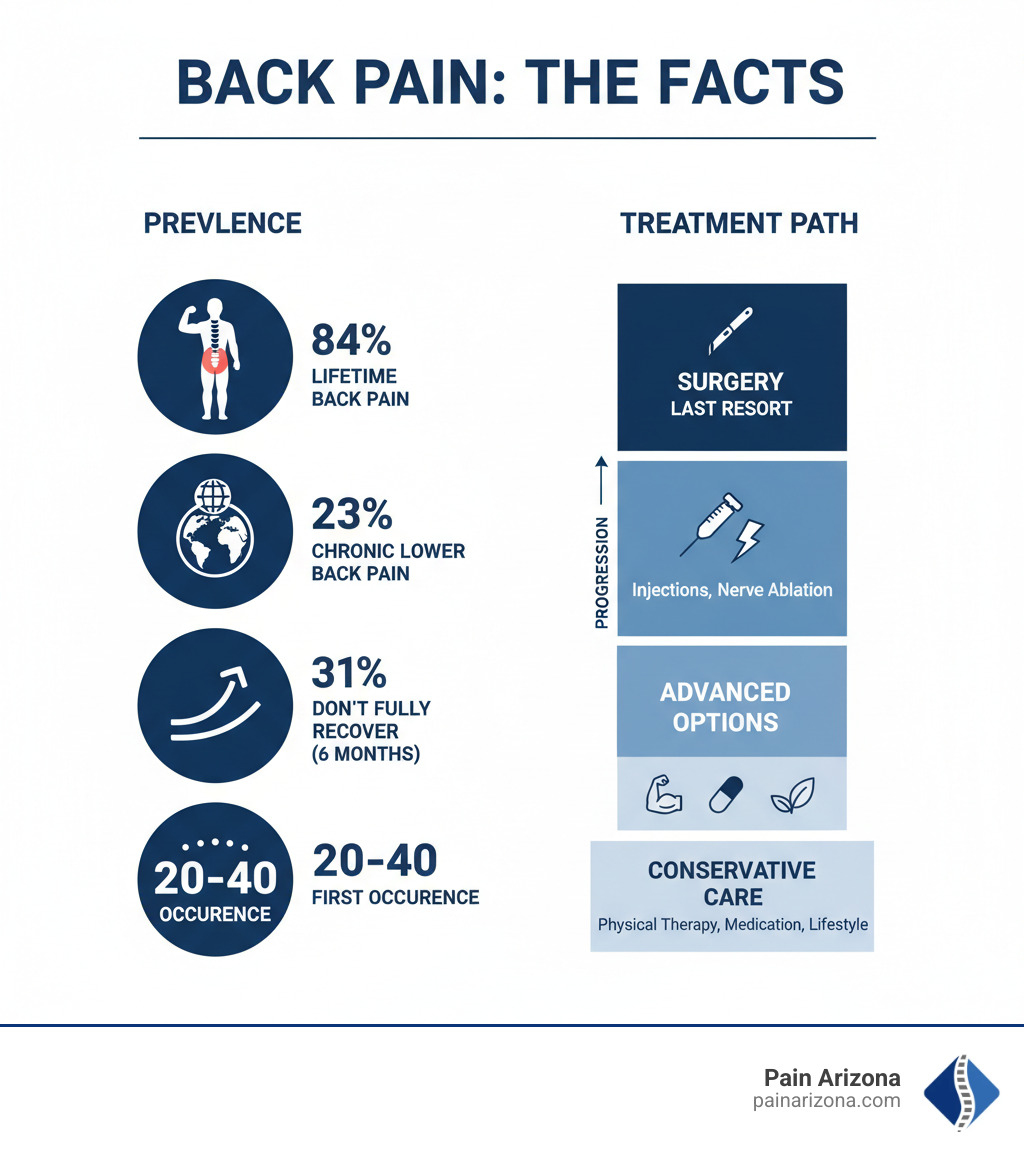
Back pain treatment ranges from simple home remedies to advanced medical procedures. If you’re among the up to 84 percent of people who will experience back pain, you know it can impact work, family, and daily activities. The good news is that most cases respond well to conservative treatment within a month.
Conservative Treatments (First-Line Options):
- Physical therapy and core strengthening
- Over-the-counter pain relievers (NSAIDs)
- Heat and ice therapy
- Staying active and avoiding bed rest
- Posture correction and ergonomics
- Weight management and smoking cessation
Advanced Treatments (When Conservative Care Isn’t Enough):
- Prescription medications
- Epidural steroid injections and nerve blocks
- Radiofrequency ablation
- Spinal cord stimulation
- Surgery (when medically necessary)
The challenge is finding the right path for your specific situation and understanding that a comprehensive approach is needed to address the root cause, not just the symptoms.
I’m Dr. Nasser, Chief Medical Officer at Pain Arizona. Having performed tens of thousands of minimally invasive procedures for back pain treatment in the Greater Phoenix area, my goal is to help you understand your options and find lasting relief.
This guide covers the full spectrum of back pain treatment, from lifestyle changes to advanced interventions, so you can make informed decisions about your care.
Understanding Your Back Pain: Causes and Diagnosis
To find the right back pain treatment, we must first understand its cause.
Sudden, sharp pain often comes from muscle strains and ligament sprains due to overexertion or awkward movements. However, many cases develop gradually from structural problems and age-related wear and tear.
Common structural causes include:
- Degenerative Disc Disease: Spinal discs lose their cushioning ability over time, leading to pain and stiffness.
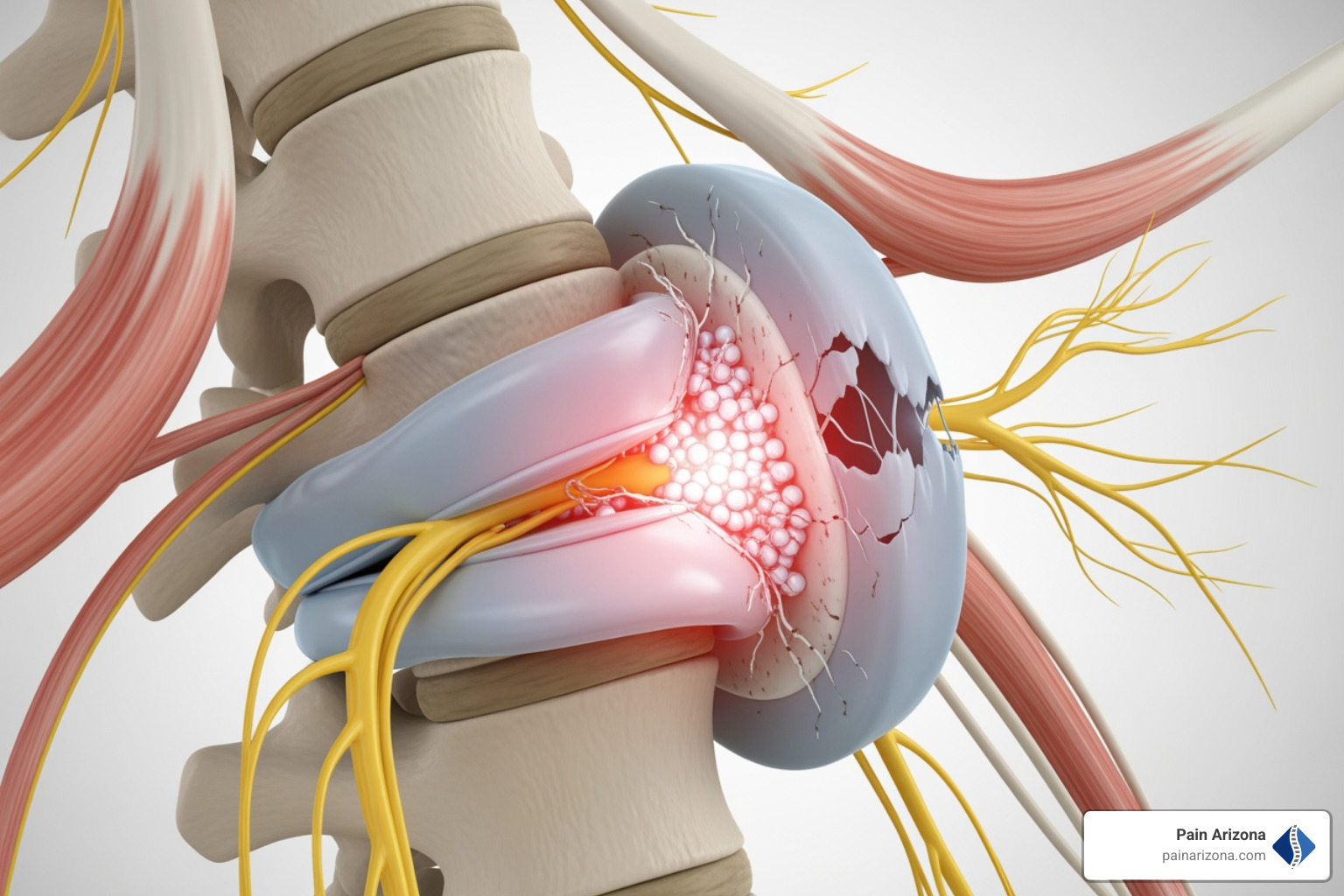
- Herniated Disc: The soft center of a disc pushes out and presses on nearby nerves, causing pain, numbness, or weakness, often down the leg.
- Spinal Stenosis: The spinal canal narrows, squeezing the spinal cord and nerves.
- Sciatica: This is a symptom, not a diagnosis, describing pain that radiates from the lower back down the leg, usually caused by nerve compression from a herniated disc or spinal stenosis.
Your first episode of back pain often occurs between ages 20 and 40. Risk factors include a BMI over 25 (which adds stress to the spine) and smoking (which impairs blood flow and healing).
The Diagnostic Process: Finding the “Why”
An accurate diagnosis is the first step toward effective back pain treatment. Our systematic approach includes:
-
Medical History and Physical Exam: We’ll discuss your symptoms, daily activities, and health history. We then assess your movement, range of motion, and check for tender spots or muscle spasms to understand the pain’s nature and intensity.
-
Diagnostic Tests: If pain is severe or persistent, imaging helps us see inside your spine.
- X-rays show bones, revealing arthritis, fractures, or alignment issues.
- MRI and CT scans provide detailed images of soft tissues like discs, nerves, and ligaments, helping diagnose herniated discs or spinal stenosis.
- Nerve studies (EMG) measure electrical activity to confirm if a nerve is compressed or damaged.
At Pain Arizona, we combine this information to pinpoint the cause of your pain and recommend the most effective treatment. Learn more about our approach on our Diagnosis and treatment – Pain Arizona page.
Conservative Back Pain Treatment: Your First Line of Defense
For most people, back pain treatment doesn’t require invasive procedures. Most back pain improves within a month using home treatment, especially for those under 60. The World Health Organization also recommends non-surgical interventions as the first line of management. This approach recognizes your body’s ability to heal with the right support.

One of the most important principles is to stay active. Prolonged bed rest weakens muscles and stiffens joints, slowing recovery. Light activity, like walking, maintains strength and promotes blood flow needed for healing. While you should avoid movements that increase pain, don’t stop moving altogether. Movement is medicine.
Key Lifestyle Changes for a Healthier Back
Daily habits have a huge impact on back health. Small adjustments can make a big difference.
- Posture: Slouching increases the load on your spine. Sit upright with your shoulders relaxed and feet flat on the floor. Use a small pillow for lower back support. Take frequent breaks from sitting.
- Sleep: If you sleep on your back, place a pillow under your knees. If you’re a side sleeper, put a pillow between your knees to align your hips, pelvis, and spine. A comfortably firm mattress is also key.
- Weight Management: Extra weight, especially around the midsection, forces your spine to tilt and creates uneven stress. Research shows a BMI over 25 increases back pain risk. Maintaining a healthy weight directly reduces this strain.
- Smoking Cessation: Smoking restricts blood flow to spinal discs, accelerating their degeneration. It also impairs calcium absorption, increasing osteoporosis risk. Quitting is one of the best things you can do for your spine. Learn more about how smoking affects bone health from the National Institute on Aging.
Therapeutic and Hands-On Approaches
Several professional therapies offer excellent non-surgical back pain treatment.
- Physical Therapy: Often the cornerstone of recovery, PT teaches you targeted exercises to increase flexibility, strengthen core muscles, and improve posture. A strong core acts like a natural corset for your spine. You can explore some simple core exercises to get started.
- Chiropractic Adjustments: These hands-on treatments realign the spine and can relieve tight muscles and improve posture.
- Massage Therapy: A therapeutic massage relaxes tense muscles, reduces pain signals, and improves circulation, providing meaningful short-term relief for chronic back pain.
- Acupuncture: This practice involves inserting thin needles into specific points to stimulate your body’s natural pain-relieving chemicals. A growing body of evidence supports its effectiveness for back pain.
- Heat and Ice Therapy: For acute injuries, use ice for 20 minutes at a time to reduce swelling. After a few days, switch to heat (heating pad or warm bath) to relax muscles and promote healing.
Medication-Based Back Pain Treatment Options
Medications can help manage pain, especially during flare-ups.
- Over-the-counter (OTC) medications: NSAIDs like ibuprofen (Advil) and naproxen (Aleve) reduce pain and inflammation. Acetaminophen (Tylenol) targets pain without addressing inflammation.
- Prescription medications: Muscle relaxants can be used short-term for painful spasms. Certain antidepressants, like duloxetine (Cymbalta), can relieve chronic back pain by influencing pain signals in the brain, even in people without depression.
- Opioid medications: Due to risks of dependence and addiction, opioids are not a first-line treatment for chronic back pain. When prescribed, it is for short-term use under close supervision. At Pain Arizona, we prioritize safe Medication Management.
When Conservative Care Isn’t Enough: Advanced & Surgical Options
Sometimes, despite best efforts, chronic back pain persists after three months or more. When pain continues to steal your quality of life, it’s time to consider more advanced back pain treatment options. Many of these procedures are minimally invasive, offering significant relief without the risks and long recovery of traditional surgery.
Red Flag Symptoms: When to Seek Immediate Help
While most back pain isn’t an emergency, certain “red flag” symptoms require immediate medical attention as they can signal serious conditions like spinal cord compression. Seek urgent care if you experience:
- New or worsening loss of bladder or bowel control
- Numbness or tingling in your groin or inner thigh area (“saddle anesthesia”)
- New or worsening leg weakness that makes walking difficult
- Unexplained weight loss, fever, or night sweats with your back pain
- Severe back pain after a fall or trauma
- Constant, progressive pain that doesn’t improve with rest, especially at night
Prompt medical assessment is also warranted if you have a history of cancer or are over 55 with new, unexplained back pain. Do not wait with these symptoms.
Minimally Invasive Procedures for Targeted Relief
When conservative treatments fail, minimally invasive procedures can target specific pain sources with precision.
- Lumbar Epidural Steroid Injection: An injection of corticosteroid into the epidural space reduces inflammation around irritated nerve roots. It is particularly effective for radiating leg pain (sciatica) and can provide relief for a month or two, creating a window for effective physical therapy. Learn more about Epidural Steroid Injections.
- Facet Joint Injections: Steroids are delivered directly into the small, arthritic joints of the spine to reduce inflammation and pain.
- Radiofrequency Ablation (RFA): If facet injections provide temporary relief, RFA uses heat to “turn off” the nerves sending pain signals from those joints. Relief can last six months to a year or more.
- Spinal Cord Stimulation: For severe, chronic pain, an implanted device delivers mild electrical impulses to the spinal cord, blocking pain signals from reaching the brain. We specialize in Spinal Cord Stimulator Implants and have seen life-changing results.
- Nerve Blocks: Anesthetic is injected near specific nerves for either diagnostic (to find the pain source) or therapeutic (to provide relief) purposes.
Advanced Back Pain Treatment: When to Consider Surgery
Surgery is always our last resort for back pain treatment. The best spine surgeons agree it should only be considered after conservative options have been thoroughly exhausted.
Surgery may be a reasonable option in specific situations:
- Progressive Nerve Damage: Increasing muscle weakness or severe leg pain indicating significant nerve compression.
- Clear Structural Problem: A severely herniated disc or significant Spinal Stenosis that is directly compressing nerves.
- Spinal Instability: The spine requires surgical stabilization.
- Debilitating Pain: Pain that prevents you from working or caring for yourself after all other treatments have failed.
Even in ideal cases, surgery does not guarantee complete pain relief. We strongly encourage getting a second opinion before making this significant decision. Fortunately, today’s advanced minimally invasive procedures help many patients avoid surgery altogether.
Frequently Asked Questions about Back Pain Treatment
As a pain specialist at Pain Arizona, I often hear the same questions about back pain treatment. Let’s clear up some common misconceptions.
Is bed rest good for back pain?
No, this is one of the biggest myths. While resting for a day or two is fine for an acute injury, prolonged bed rest is counterproductive. It causes muscles to weaken and joints to stiffen, making recovery harder.
Movement is key. Gentle activity like walking promotes blood flow and accelerates healing. The goal is to continue your normal activities as much as possible, avoiding only the specific movements that worsen your pain. Don’t let fear of pain lead to inactivity.
How long does most back pain last?
The duration depends on the type of pain.
- Acute back pain is sudden and typically improves within a month with home treatment, especially for those under 60.
- Subacute back pain lasts between four and 12 weeks.
- Chronic back pain is pain that persists for three months or longer.
Unfortunately, about 31 percent of people don’t fully recover within six months. Recurrence is also common, which is why long-term prevention strategies are so important, not just treating the immediate episode.
Can my diet affect my back pain?
Yes, your diet plays a role through inflammation and weight management.
Many types of back pain involve inflammation. An anti-inflammatory diet rich in omega-3s (salmon, flaxseeds), colorful fruits, and vegetables can help calm it. Conversely, processed foods, sugars, and unhealthy fats promote inflammation.
Weight management is also crucial. Excess weight, especially around your midsection, increases the load on your spinal discs and vertebrae, leading to unnatural curvature and pain. Maintaining a healthy weight through a balanced diet directly reduces the physical pressure on your back, making it a powerful tool in your back pain treatment plan.
Conclusion: Your Path to a Pain-Free Life
You’ve now explored the full range of back pain treatment options, from home remedies to advanced procedures. This knowledge empowers you to take control of your healing journey.
There is no one-size-fits-all solution. The key is a personalized treatment plan that addresses your specific condition and goals. We recommend a stepped-care approach: start with conservative treatments like staying active, improving posture, and strengthening your core. If pain persists, more advanced options are available. Chronic pain is complex, and needing additional help is normal.
At Pain Arizona, our philosophy is built around this approach. Serving the Greater Phoenix Area with locations in Phoenix, Mesa, Gilbert, Scottsdale, and Glendale, our double board-certified physicians specialize in finding the root cause of your pain, not just masking symptoms. We are committed to evidence-based, minimally invasive treatments that help you regain function.
Whether you’re dealing with a herniated disc, spinal stenosis, or another condition, we offer the full spectrum of back pain treatment options. You deserve to live without pain limiting your life.
We accept most insurance plans; please check with our office to confirm yours is accepted. Your journey to relief starts with reaching out for help.
Take that step today. Explore our comprehensive back pain treatments and schedule a consultation. Let’s work together to get you back to living your life fully.