
Relief from Facial Pain: A Guide to Trigeminal Neuralgia Treatment
When Everyday Life Becomes Unbearable: Understanding Your Treatment Options
Trigeminal neuralgia treatment offers hope for one of the most severe types of facial pain known. If you’re searching for relief, here are your main options:
Quick Treatment Overview:
- First-line: Anticonvulsant medications (Carbamazepine, Oxcarbazepine) – 80-90% experience at least partial relief
- Minimally invasive: Percutaneous procedures (radiofrequency ablation, glycerol injection, balloon compression) – immediate relief in up to 90%, shorter duration
- Non-invasive radiation: Gamma Knife radiosurgery – 80%+ pain control, takes weeks to work
- Most definitive: Microvascular Decompression (MVD) surgery – highest long-term success (~80% at 10-20 years)
Trigeminal neuralgia is a chronic nerve disorder causing sudden, severe facial pain, often described as an electric shock. The pain can be so intense it’s been called “the suicide disease,” but effective treatments can help you reclaim your life.
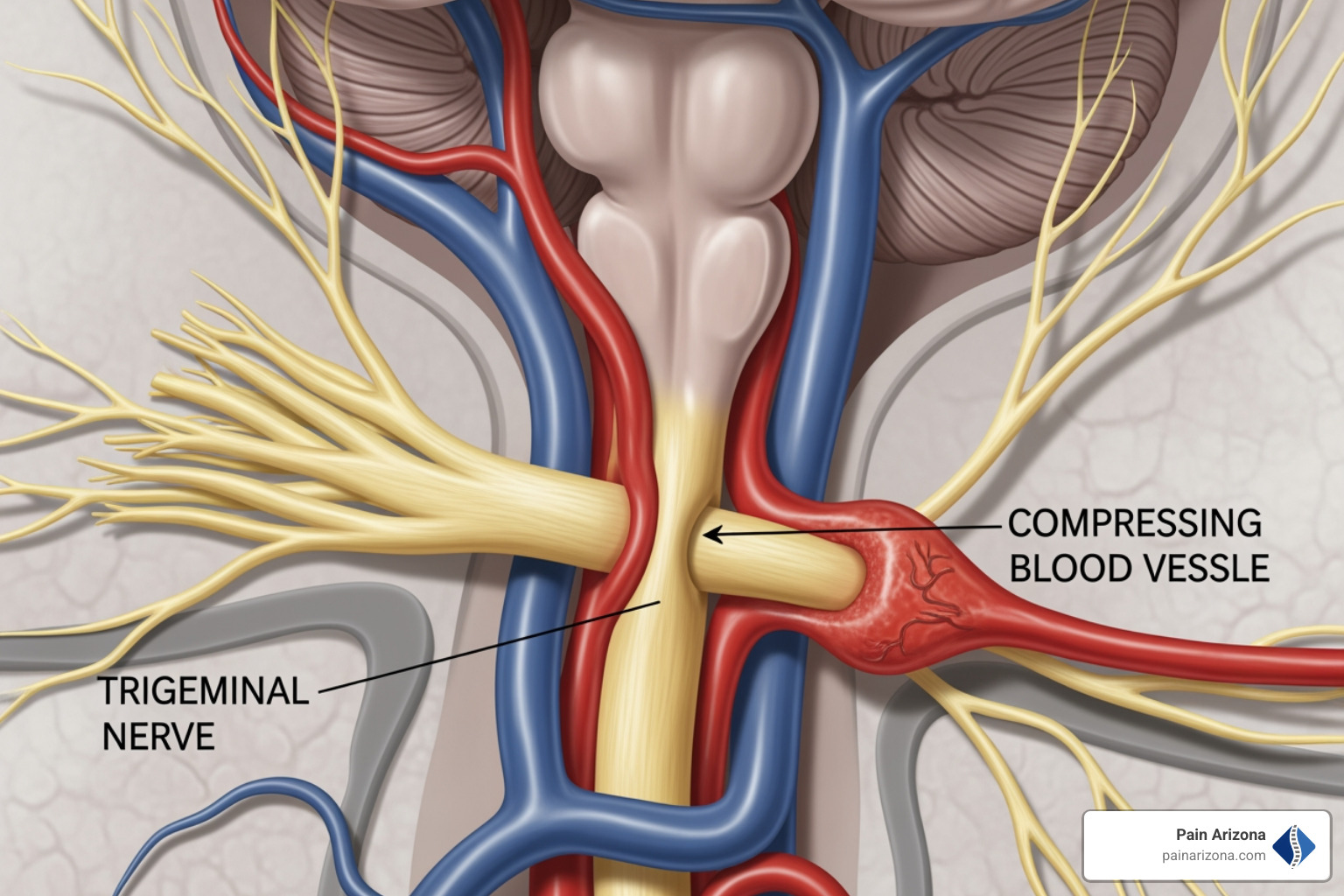
This pain typically occurs when a blood vessel presses on the trigeminal nerve, which carries sensation from your face to your brain. This compression causes intense pain signals triggered by simple activities like brushing your teeth, washing your face, or a light breeze. The pain usually affects one side of the face in attacks lasting seconds to minutes. Over time, attacks may become more frequent, making the right trigeminal neuralgia treatment essential.
I’m Dr. Nasser, Chief Medical Officer at Pain Arizona. I’ve spent over a decade helping patients find lasting relief from complex pain conditions. My goal is to help you understand your options so you can make informed decisions about your care.
Let’s walk through what trigeminal neuralgia is, how it’s diagnosed, and what treatments can help you find relief.

Understanding Trigeminal Neuralgia: Symptoms, Causes, and Types
Your trigeminal nerve, or fifth cranial nerve, is one of the most important nerves in your face. It has three branches—ophthalmic, maxillary, and mandibular—that carry sensations from your face to your brain and control chewing muscles. Trigeminal neuralgia is a chronic disorder that occurs when this nerve is irritated or damaged, causing sudden, severe facial pain.
The most common cause is neurovascular compression, where a blood vessel presses against the nerve near the brainstem. This pressure damages the nerve’s protective coating, causing it to send intense pain signals. In other cases, underlying conditions like multiple sclerosis, a tumor, or a facial injury can cause the pain, requiring different trigeminal neuralgia treatment approaches.
Primary Symptoms and Common Triggers
The pain of trigeminal neuralgia is often described as a sudden electric shock or stabbing pain on one side of the face. Attacks are brief, lasting from a few seconds to two minutes, but can occur in rapid succession. The condition often follows a pattern of episodes and remissions, with pain-free periods that can last months or years before the pain returns, often more frequently.
What makes this condition so challenging is that everyday activities can trigger an attack. These triggers include:
- Touching your face
- Chewing or talking
- Brushing your teeth
- Smiling
- A cool breeze on your face
This can lead people to avoid basic activities like eating or washing their face for fear of triggering the excruciating pain.
Main Causes and Types of Trigeminal Neuralgia
Identifying the type of trigeminal neuralgia is key to finding the right treatment.
- Type 1 (TN1), or Classical: The most common form, characterized by sharp, shock-like pain attacks. It is typically caused by neurovascular compression.
- Type 2 (TN2), or Atypical: Involves a constant background pain that is aching, burning, or throbbing, sometimes with sharp attacks superimposed.
- Secondary Trigeminal Neuralgia: Caused by an underlying condition, such as multiple sclerosis (MS), a tumor, or a facial injury.
- Idiopathic Trigeminal Neuralgia: The cause cannot be identified despite thorough testing.
Trigeminal neuralgia usually develops after age 50 and is more common in women. Whatever the type, effective trigeminal neuralgia treatment options are available.
The Path to Diagnosis and Initial Medical Management
Diagnosing trigeminal neuralgia relies heavily on your description of the pain. At Pain Arizona, we start with a comprehensive history, asking about the pain’s type, duration, frequency, and triggers. This is followed by a neurological exam to pinpoint which nerve branches are affected and help differentiate TN from other facial pain conditions.
How Trigeminal Neuralgia is Diagnosed
A crucial step is ruling out other conditions like dental issues, TMJ disorders, or migraines. To confirm the diagnosis and identify a cause, your doctor will likely order a Magnetic Resonance Imaging (MRI) scan. An MRI can show if a blood vessel is compressing the nerve (a common cause) or detect other issues like tumors, cysts, or signs of multiple sclerosis.
First-Line Medical Trigeminal Neuralgia Treatment
Medication is the first line of trigeminal neuralgia treatment for most patients, aiming to block abnormal pain signals.
Anticonvulsant Medications: These drugs are highly effective at slowing electrical impulses in nerves.
- Carbamazepine (Tegretol®): The gold standard, providing at least partial relief for 80-90% of patients. Doses are increased gradually to balance pain relief with side effects like dizziness, drowsiness, and nausea. Serious risks, though rare, exist and should be discussed with your doctor.
- Oxcarbazepine (Trileptal®): A similar first-line option that is often better tolerated.
If these aren’t effective or cause difficult side effects, other medications may be tried, including Baclofen, Lamotrigine, or Gabapentin. Dosages are carefully managed, and if pain goes into remission, your doctor may suggest tapering off the medication to minimize long-term side effects.
Advanced Trigeminal Neuralgia Treatment: Surgical and Procedural Options
When medications fail or their side effects become intolerable, it’s time to consider advanced trigeminal neuralgia treatment. These procedures work by either relieving pressure on the trigeminal nerve or interrupting its pain signals. At Pain Arizona, we help you choose the best approach for your specific situation.

Microvascular Decompression (MVD)
MVD is the most definitive surgical option for TN caused by blood vessel compression. A neurosurgeon makes an opening in the skull behind the ear, moves the compressing blood vessel away from the nerve, and places a tiny cushion between them. It offers the highest long-term success, with about 80% of patients experiencing lasting pain relief for 10-20 years or more. As brain surgery, it carries risks like infection, hearing loss, facial numbness, and, rarely, stroke.
Brain Stereotactic Radiosurgery (e.g., Gamma Knife)
This non-invasive outpatient procedure uses highly focused radiation beams to create a lesion on the trigeminal nerve, disrupting pain signals. There are no incisions. Pain relief is gradual, taking several weeks to a month to become effective. Over 80% of patients achieve significant pain control. The main side effect is facial numbness (20-30% of patients), and pain can recur within 3-5 years, though the procedure can be repeated. You can read more in this scientific research on radiosurgery.
Percutaneous Procedures (Rhizotomy)
These minimally invasive techniques involve inserting a needle through the cheek to damage specific nerve fibers and block pain. They offer faster relief than radiosurgery but are less durable than MVD, typically lasting months to a few years. They are a good option for patients who are not candidates for major surgery.
- Radiofrequency Thermal Lesioning: Uses heat to create a lesion. Provides immediate relief for up to 90% of patients, but pain may return in 3-4 years.
- Glycerol Injection: Uses a chemical to damage the nerve. Success rates are high, but facial numbness is a common side effect.
- Balloon Compression: A small balloon is inflated to compress and damage nerve fibers, providing pain control for a period of time.
When to Consider Surgery for Trigeminal Neuralgia Treatment
We recommend considering a procedure when medications are no longer controlling your pain or their side effects are unmanageable. The decision depends on your overall health, the cause of your TN, and your treatment goals. For classical TN with clear nerve compression, MVD is often recommended for its long-term success. If surgery is too risky or not preferred, radiosurgery and percutaneous options are excellent alternatives. Our goal is to find the safest, most effective path to relief for you.
Living with Trigeminal Neuralgia: Outlook, Support, and Complementary Therapies
Living with trigeminal neuralgia is a journey of managing a chronic condition. While there is no single cure, the range of trigeminal neuralgia treatment options offers real hope for a better quality of life. With the right combination of medical care and self-management, many people reclaim the activities that matter most.

Long-Term Outlook and Prognosis
Your long-term outlook depends on the type of TN you have and your treatment’s effectiveness. Many patients achieve significant pain relief, sometimes for years. However, pain can return even after successful treatment. Procedures like MVD can provide relief for 10-20 years, while less invasive options may last a few years before needing another intervention.
TN can be progressive, with attacks becoming more frequent and intense over time. This is why regular follow-up care with a pain specialist is crucial to monitor your condition and adjust treatments as needed. Ongoing research continues to offer hope for new and better ways to manage TN.
Impact on Mental and Emotional Health
The psychological impact of TN can be as devastating as the physical pain. Patients face a higher risk of anxiety and depression. The constant fear of triggering an attack can lead to social isolation and dread of simple activities like talking, eating, or smiling. This emotional toll is why TN has been called “the suicide disease.”
Psychological support is just as crucial as physical treatment. Therapy can provide coping tools to manage anxiety and depression. It is a sign of strength to seek help for the mental and emotional challenges of living with chronic pain.
Complementary Therapies and Support Resources
Complementary therapies can be valuable additions to your trigeminal neuralgia treatment plan. While they don’t cure TN, they can help manage symptoms and reduce stress.
- Acupuncture and Biofeedback have helped some patients reduce pain intensity.
- Yoga and meditation are powerful tools for relaxation and stress reduction.
- Nutritional therapy can support overall health, and some find that avoiding certain foods helps.
- Support groups provide a life-changing connection with others who understand. Organizations like the Trigeminal Neuralgia Association offer resources and community. You can visit the Trigeminal Neuralgia Association UK for support to find information and groups.
At Pain Arizona, we believe in treating the whole person, helping you find the resources that work for your unique situation.
Frequently Asked Questions about Trigeminal Neuralgia
Here are answers to the questions I hear most often from patients at Pain Arizona about trigeminal neuralgia treatment.
What is the most successful treatment for trigeminal neuralgia?
Success depends on your goals, as different treatments offer different benefits:
- For Initial Relief: Anticonvulsant medications like Carbamazepine are the first-line choice, helping 80-90% of patients.
- For Longest-Lasting Relief: Microvascular Decompression (MVD) surgery offers the best long-term success (~80% relief for 10-20+ years) but is the most invasive.
- For a Non-Invasive Option: Gamma Knife radiosurgery provides significant pain control for over 80% of patients, though relief is not immediate.
- For Minimally Invasive, Quick Relief: Percutaneous procedures offer immediate relief for up to 90% of patients, but pain often returns within a few years.
At Pain Arizona, we help you weigh these factors to find the best solution for you.
Can trigeminal neuralgia go away on its own?
It’s rare for trigeminal neuralgia to go away permanently on its own. Many patients experience periods of remission where the pain vanishes for months or even years. However, these remissions are usually temporary, and the pain almost always returns. Consistent management with a pain specialist, even during pain-free periods, is key to extending remissions and managing future episodes.
Is trigeminal neuralgia a progressive disease?
For many, yes. Over time, attacks can become more frequent and intense, while pain-free periods may shorten or disappear. Medications may also become less effective. This progression is why many patients eventually consider procedural or surgical trigeminal neuralgia treatment. Early and consistent management with a specialist can help slow this progression and maintain your quality of life.
Conclusion: Finding Your Path to Relief
Living with the severe pain of trigeminal neuralgia is overwhelming, but you have options and you don’t have to face this alone. As we’ve discussed, a wide range of trigeminal neuralgia treatment exists, from first-line medications to advanced surgical solutions. The right path depends on your specific condition, health, and goals.
There is no one-size-fits-all answer, which is why a personalized approach is essential.
At Pain Arizona, we see you as a person, not just a diagnosis. Our double board-certified physicians combine advanced expertise with genuine compassion to create an evidence-based treatment plan for your life. We serve patients throughout the Greater Phoenix Area, including Phoenix, Mesa, Gilbert, Scottsdale, and Glendale, and we accept most insurance plans.
Your pain is real, and it deserves expert attention. It does not have to define your future. Many of our patients find significant relief and return to living fuller lives.
Ready to take the next step? Learn more about our minimally invasive pain solutions and find out how we can help you find lasting relief from facial pain. Your journey to a more comfortable life starts with a single conversation.