
How to Get Acute Pain Relief Without Losing Your Mind
When Pain Hits Hard: What You Can Do Right Now
Acute pain relief is something most of us need at some point — and we usually need it fast.
Here are the most effective options, from immediate home care to prescription treatments:
| Approach | Best For | Speed of Relief |
|---|---|---|
| Ice or heat therapy | Injuries, muscle pain, back pain | Minutes |
| Ibuprofen + acetaminophen | Moderate pain, inflammation | 20-30 minutes |
| Topical NSAIDs (e.g., diclofenac gel) | Sprains, strains, surface injuries | 30-60 minutes |
| Prescription medications | Moderate to severe pain | Varies |
| Journavx (suzetrigine) | Moderate to severe acute pain in adults | Within dosing window |
| TENS unit or nerve block | Surgery, neuropathic, or refractory pain | Varies |
Pain stops everything. It’s hard to focus on work, family, or even a simple conversation when your body is screaming for relief.
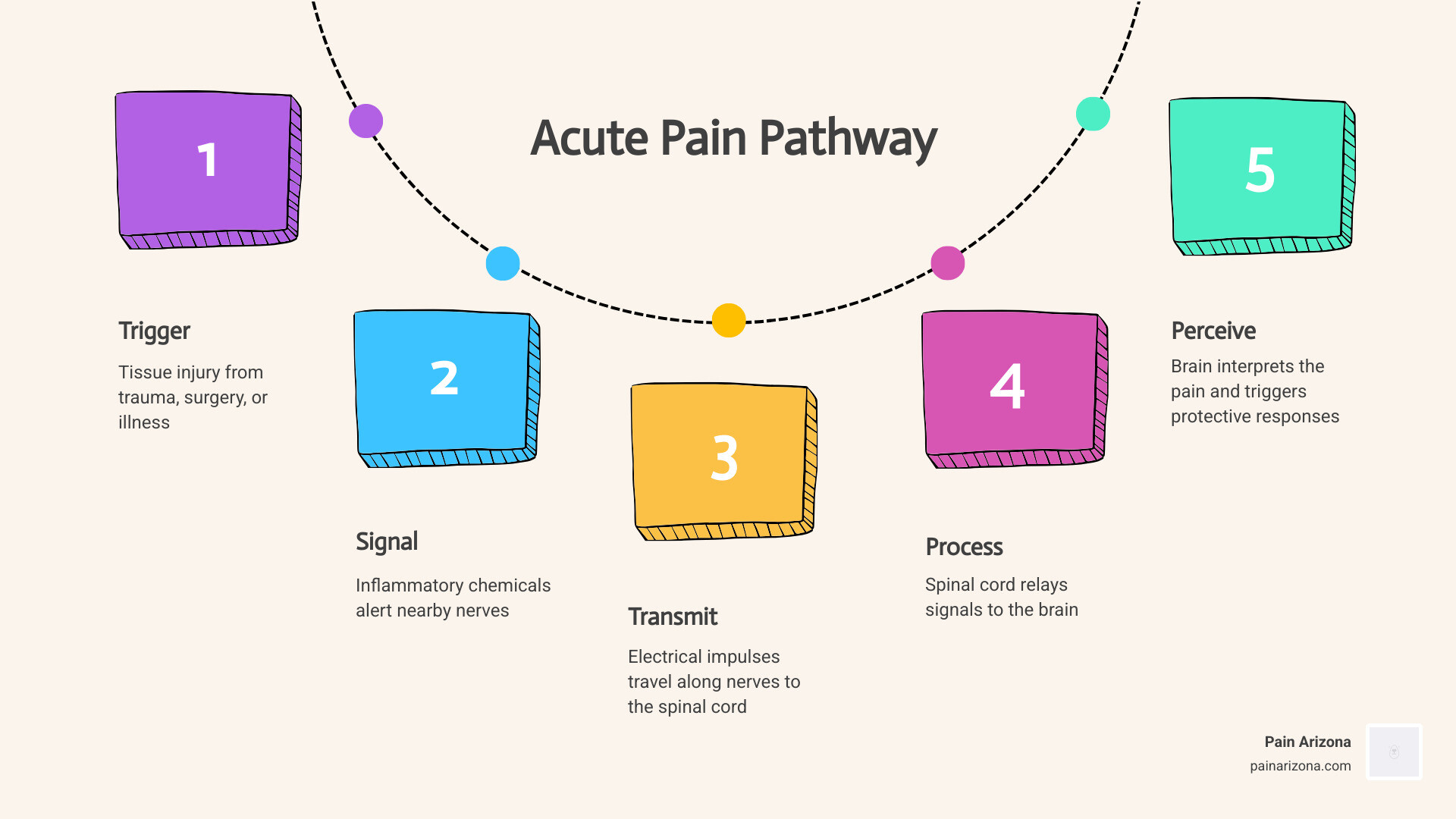
The good news: acute pain — the sudden, sharp kind that follows an injury, surgery, or illness — is temporary. It’s your body’s built-in warning system, signaling that something needs attention. And unlike chronic pain, it typically resolves once the underlying cause is treated.
But “temporary” doesn’t mean you have to suffer through it. The right treatment, started quickly, can make a real difference in how fast you heal and how well you function in the meantime.
I’m Dr. Nasser, a double board-certified physical medicine, rehabilitation, and pain medicine physician with over a decade of experience helping patients in the Greater Phoenix Area find effective acute pain relief through evidence-based, minimally invasive care. In this guide, I’ll walk you through exactly what works — from what you can do at home right now to the newest medical options available.
Understanding Acute Pain vs. Chronic Pain
To manage pain effectively, we must first understand what we are dealing with. In our clinical practice, we categorize pain primarily by its duration and biological purpose.
Acute pain is defined as sudden-onset discomfort that acts as a physiological warning sign of tissue damage, trauma, or disease. It is self-limiting, typically lasting anywhere from a few moments to less than a month, and rarely exceeding a subacute transition window of 30 to 90 days. When you break a bone, burn your hand, or undergo a surgical procedure, the sharp, intense sensation you feel is acute pain. It is your body’s protective mechanism telling you to rest and protect the injured area so healing can occur.
Conversely, chronic pain persists long after the initial injury has healed—typically defined as lasting beyond three months or past the expected window of healing. Instead of serving as a helpful alarm system, chronic pain becomes a disease state in itself, often driven by central sensitization where the nervous system remains in a persistent state of high reactivity. While we specialize in helping patients find long-term comfort through Chronic Pain Relief AZ, managing acute pain promptly and effectively is one of the best ways to prevent it from transitioning into a chronic condition.
According to clinical guidelines on Acute Pain Management in Adults, untreated or poorly managed acute pain can lead to permanent changes in the peripheral and central nervous systems. By implementing a proactive treatment plan early, we can reduce this sensitization and speed up your overall recovery.
Common Causes and Types of Acute Pain
In our clinics across Phoenix, Mesa, Gilbert, Scottsdale, and Glendale, we see patients experiencing acute pain from a wide variety of sources. The most common causes and types include:
- Trauma and Musculoskeletal Injuries: Sprains, strains, joint dislocations, and bone fractures.
- Post-Operative Pain: Pain following inpatient or outpatient surgical procedures. Statistics show that more than 80% of patients who undergo surgery report pain at discharge, with 75% to 86% describing it as severe or extreme.
- Dental Pain: Acute pain from tooth decay, infections, or surgical interventions like third-molar extractions.
- Visceral Pain: Sudden, severe internal pain such as kidney stones (renal colic) or acute abdominal conditions.
- Neuropathic Pain: Sudden nerve compression or irritation, such as acute sciatica or shingles.
Evidence-Based Strategies for Acute Pain Relief
When you are in severe discomfort, you want a solution that works immediately without compromising your safety. Historically, the medical community relied heavily on prescription opioids for moderate to severe pain. However, we now know that this approach carries significant risks.
Today, modernized clinical practices follow the updated CDC guidelines, which emphasize maximizing non-opioid pharmacologic therapies and non-pharmacologic methods before turning to opioids. A comprehensive, systematic review on the Efficacy and Harms of Opioid Analgesics for Acute Pain highlights that oral opioids often provide only very small incremental pain relief for conditions like acute musculoskeletal pain compared to non-opioids, while significantly increasing the risk of adverse events like nausea, vomiting, dizziness, and constipation.
Furthermore, early exposure to opioids carries a real risk of long-term dependency. For example, medical opioid use among opioid-naïve high school seniors is independently associated with a 33% increase in the risk of future opioid misuse. Even a brief prescription after a common procedure can have lasting consequences; approximately 1 in 300 opioid-naïve women become persistent prescription opioid users following a cesarean delivery.
To mitigate these risks of addiction and diversion, we focus on Evidence-Based Pain Management that utilizes multimodal analgesia—combining different classes of pain relievers and therapies that target different pathways to achieve superior relief with fewer side effects.
Non-Pharmacologic Methods for Immediate Acute Pain Relief
Many patients are surprised to learn how effective non-pharmacologic therapies can be. When applied correctly, these methods can dramatically reduce pain scores without a single drug interaction.
- R.I.C.E. Protocol (Rest, Ice, Compression, Elevation): This remains the gold standard for acute musculoskeletal injuries. Ice reduces localized inflammation and numbs pain receptors, while elevation and compression prevent excessive swelling.
- Heat Therapy: Excellent for non-inflammatory acute low back pain or muscle spasms, as it promotes blood flow and relaxes tight tissues.
- TENS (Transcutaneous Electrical Nerve Stimulation): A small device that sends mild electrical pulses through pads placed on the skin. This stimulates sensory nerves to block pain signals from reaching the brain.
- Massage and Physical Therapy: Gentle mobilization and soft-tissue therapies help restore function, reduce muscle guarding, and speed up recovery.
- Cognitive and Relaxation Strategies: Techniques like deep breathing, mindfulness, and guided imagery can lower heart rate and reduce the psychological distress that amplifies physical pain.
As outlined in the Evidence Summary – Treatments for Acute Pain: A Systematic Review, non-pharmacologic interventions like heat therapy for low back pain and massage for post-operative recovery are highly effective components of an integrated care plan.
Combining Over-the-Counter Medications for Acute Pain Relief
For mild to moderate acute pain, combining over-the-counter (OTC) medications is one of the most powerful tools we have. Specifically, taking acetaminophen (Tylenol) and ibuprofen (Advil/Motrin) together provides a synergistic effect—meaning they work better together than either drug does alone.
While ibuprofen reduces pain, fever, and localized swelling by inhibiting COX enzymes (reducing inflammatory prostaglandins), acetaminophen works primarily in the central nervous system to block pain signaling and lower fevers.
The clinical metric used to measure this efficacy is the Number Needed to Treat (NNT) for 50% pain relief. A lower NNT indicates a more effective treatment:
- Ibuprofen 200 mg alone: NNT of 3.0
- Acetaminophen 1,000 mg + Ibuprofen 400 mg: NNT of 1.5
| Medication | Mechanism of Action | Maximum Daily OTC Dose | Key Safety Considerations |
|---|---|---|---|
| Acetaminophen | Central nervous system pain block, fever reducer | 3,000 mg – 4,000 mg | Risk of liver toxicity; limit to 2,000 mg in cases of liver disease or heavy alcohol use. |
| Ibuprofen (NSAID) | Peripheral COX inhibition, reduces swelling/inflammation | 1,200 mg (OTC limit) | Gastrointestinal irritation, cardiovascular risks, and renal (kidney) strain. |
When combining these medications, you can either take them together every six hours or alternate them every three to four hours to maintain a steady level of relief. Always review the official Label: PAIN RELIEF- acetaminophen tablet, coated to ensure you do not exceed the safe daily limits, and consult a healthcare provider if you have underlying kidney, liver, or cardiovascular conditions. For a deeper clinical look at these strategies, you can read the American Academy of Family Physicians guide on Pharmacologic Therapy for Acute Pain.
The New Frontier: Journavx (Suzetrigine) for Moderate to Severe Pain
For decades, the treatment of moderate to severe acute pain faced a major hurdle: if over-the-counter medications weren’t strong enough, the only remaining option was often prescription opioids. This left patients and doctors choosing between inadequate pain control and the risks of opioid dependency.
That changed with the FDA approval of Journavx (suzetrigine). Journavx represents a massive breakthrough in modern medicine—it is a first-in-class, non-opioid oral analgesic designed specifically to treat moderate to severe acute pain in adults.
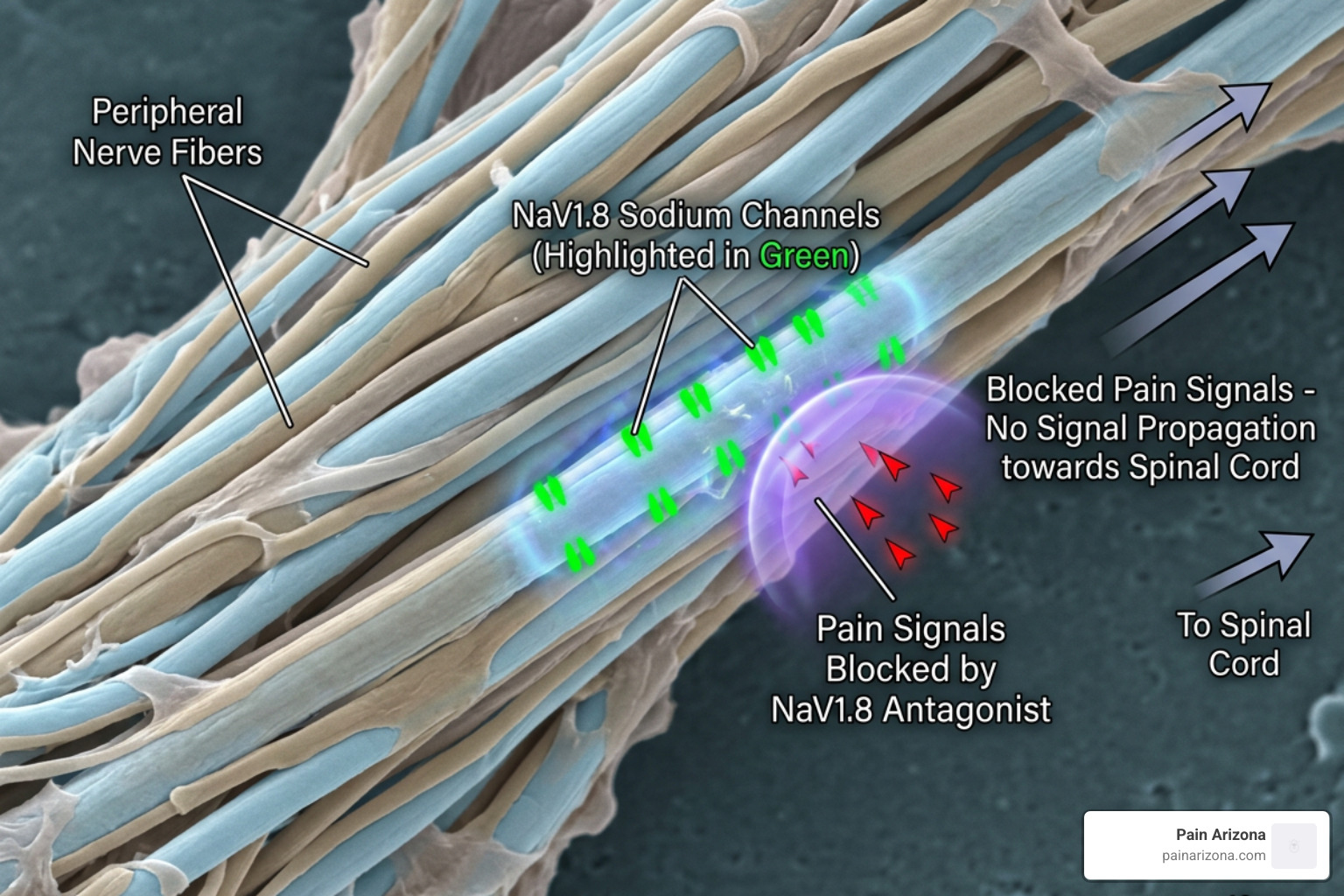
Unlike opioids, which bind to mu-opioid receptors in the central nervous system (causing systemic side effects like sedation, respiratory depression, constipation, and a high risk of addiction), Journavx works selectively in the peripheral nervous system. It is a selective inhibitor of the NaV1.8 sodium channel, a channel highly concentrated on peripheral pain-sensing neurons (nociceptors). By blocking these specific channels, Journavx stops the pain signal at the source, preventing it from traveling up the spinal cord to the brain. Because it does not enter the central nervous system in a way that triggers dopamine-reward pathways, it carries absolutely no risk of physical dependence or addiction.
Clinical Trial Findings and Efficacy
The FDA’s approval of Journavx was supported by a robust clinical trial program evaluating 874 participants across multiple randomized, double-blind, placebo-controlled trials.
To test its efficacy in real-world acute pain scenarios, researchers evaluated Journavx in two distinct surgical models representing soft-tissue pain and orthopedic/bone pain:
- Abdominoplasty Study: Participants undergoing tummy tuck surgery reported significantly lower pain scores over a 48-hour period compared to those receiving a placebo.
- Bunionectomy Study: Patients recovering from bunion surgery experienced rapid, meaningful, and sustained pain relief compared to the placebo group.
These trials demonstrated that targeting peripheral sodium channels is a highly effective way to manage severe post-operative pain without relying on heavy opioid regimens. This aligns with findings from other major acute pain studies, such as the Morphine Plus Placebo vs Morphine Plus Acetaminophen for Acute Pain in the Emergency Department trial, which emphasize that multimodal, targeted approaches consistently yield superior, safer pain relief than relying solely on traditional opioid monotherapy.
Safety Profile and Side Effects
Because Journavx acts selectively on peripheral sodium channels, its safety profile is exceptionally clean compared to traditional prescription pain relievers. It does not cause respiratory depression, cognitive impairment, or severe constipation.
During clinical trials, the most common adverse reactions reported were mild to moderate and resolved on their own:
- Mild itching (pruritus)
- Temporary muscle spasms
- A slight, transient increase in blood levels of creatine phosphokinase (an enzyme related to muscle activity)
- Mild skin rash
There are no black-box warnings for addiction or overdose associated with Journavx. However, as with any new medication, it is important to review potential drug interactions and contraindications with your physician, particularly if you have pre-existing liver or kidney impairment.
Patient-Centric Factors and Barriers in Pain Management
At Pain Arizona, we believe that effective pain management is never a one-size-fits-all solution. Every patient brings a unique physiological makeup, medical history, and set of life circumstances that influence how they experience pain and respond to treatments.
- Age: Pediatric patients and older adults require highly tailored dosing. For example, older adults are more sensitive to the gastrointestinal and cardiovascular side effects of NSAIDs, and they metabolize opioids much more slowly.
- Comorbidities: Patients with pre-existing kidney disease, liver dysfunction, or cardiovascular issues must avoid certain medications. For instance, severe liver disease limits acetaminophen use, while renal disease contraindicates NSAIDs.
- Genetics: Genetic variations can cause individuals to metabolize pain medications differently, making some standard doses ineffective and others dangerously strong.
- Health Literacy and Education: Understanding how to take medications safely, when to use non-pharmacologic therapies, and how to identify warning signs is essential for a safe recovery.
We address these individual variables through our guide on Integrated Pain Care: Finding Your Path to Comfort, helping patients navigate their options safely.
Addressing Access Barriers and Disparities
Unfortunately, significant disparities and barriers still exist in the healthcare system when it comes to accessing appropriate acute pain management:
- Prescribing Disparities: Studies show that non-Hispanic Black patients are significantly less likely than non-Hispanic White patients to receive opioid prescriptions at discharge from emergency departments for non-definitive pain conditions (such as back or abdominal pain). Furthermore, Black pediatric patients with appendicitis are statistically less likely to receive opioid analgesia for moderate to severe pain compared to White pediatric patients (12.2% vs. 33.9%).
- Pharmacy Supply Shortages: Research reveals that only 25% of pharmacies in predominantly nonwhite neighborhoods carry sufficient supplies to treat patients in severe pain, compared to 72% of pharmacies in predominantly white neighborhoods.
- Socioeconomic and Insurance Barriers: Many advanced non-opioid therapies, interventional procedures, and physical therapies face strict coverage limitations from insurance providers, leaving low-income patients with fewer safe options.
At our clinics, we actively work to break down these barriers by providing equitable, compassionate care, utilizing low-cost community resources, and offering administrative support to help patients secure insurance approval for the treatments they need. We accept most insurance plans; simply check with our office manager to see if your plan is accepted.
For those seeking specialized care in nearby areas, we offer dedicated support across our multiple locations, including Mesa and Scottsdale, to ensure you receive timely, professional care.
Frequently Asked Questions About Acute Pain
What is the fastest way to achieve acute pain relief at home?
For immediate relief at home, use the R.I.C.E. protocol (Rest, Ice, Compression, Elevation) for injuries, or apply heat for muscle tension. Combining this with a scheduled, alternating regimen of over-the-counter ibuprofen and acetaminophen (if medically safe for you) and applying a topical NSAID gel directly to the painful area can provide rapid, highly effective relief.
Can I safely combine ibuprofen and acetaminophen for acute pain relief?
Yes, taking them together is highly effective and widely recommended by physicians because they target different pain pathways. To do this safely, you can take them together every six hours, or alternate them every three hours. Always ensure you do not exceed the maximum daily limits: 1,200 mg of ibuprofen (OTC limit) and 3,000 mg to 4,000 mg of acetaminophen per day. If you have a history of liver, kidney, or stomach issues, consult a doctor first.
How does Journavx differ from traditional opioids for acute pain relief?
Journavx (suzetrigine) is entirely non-addictive. While opioids target receptors in the brain and spinal cord—causing side effects like sedation, constipation, respiratory depression, and physical dependence—Journavx selectively blocks the NaV1.8 sodium channels on peripheral nerves. This stops the pain signal from ever reaching the brain, offering powerful relief for moderate to severe pain without any opioid-related risks.
Conclusion
Acute pain can be incredibly disruptive, but finding relief shouldn’t mean compromising your long-term health and safety. From time-tested home remedies and smart over-the-counter combinations to groundbreaking medical advancements like Journavx, you have more safe, non-opioid options today than ever before.
If you are dealing with sudden, severe, or persistent pain, don’t try to tough it out alone. At Pain Arizona, our double board-certified physicians are dedicated to providing compassionate, evidence-based, and minimally invasive treatments to address the root cause of your discomfort. We serve communities throughout the Greater Phoenix Area—including Phoenix, Mesa, Gilbert, Scottsdale, and Glendale—and we accept most insurance plans.
Let us help you get back to living your life comfortably. Schedule a consultation at Pain Arizona today to build a personalized, safe, and effective pain relief plan.