
Back Pain Doctor: Advanced Relief Guide 2026
Why Finding the Right Back Pain Doctor Matters for Your Recovery
If you’re searching for a back pain doctor, you’re not alone—about 80% of people will experience lower back pain at some point in their lives. The good news? The right specialist can help you find lasting relief, not just mask symptoms.
Quick Answer: Who Should You See for Back Pain?
- Start with your Primary Care Physician (PCP) – They can evaluate your pain and provide initial treatment or referrals
- See a Physiatrist – A specialist in physical medicine and rehabilitation who focuses on non-surgical treatment
- Consult a Pain Management Specialist – A physician trained in diagnosing root causes and providing comprehensive treatment including minimally invasive procedures
- Seek immediate care if you experience loss of bowel/bladder control, severe weakness, or pain after trauma
When to See a Back Pain Doctor:
- Pain lasting more than a few weeks
- Pain that interferes with daily activities
- Radiating pain down your legs
- Numbness or tingling
- Previous treatments haven’t worked
Most back pain improves within a month with home treatment, especially for people younger than 60. However, chronic back pain can worsen if left untreated, making it crucial to seek specialized care early.
I’m Dr. Nasser, Chief Medical Officer and Medical Director at Pain Arizona, where I’ve spent over 15 years helping patients across the Greater Phoenix area find relief through evidence-based, minimally invasive treatments. As a double board-certified pain medicine physician and physiatrist, I’ve performed tens of thousands of procedures and understand that choosing the right back pain doctor is the first step toward reclaiming your life from chronic pain.
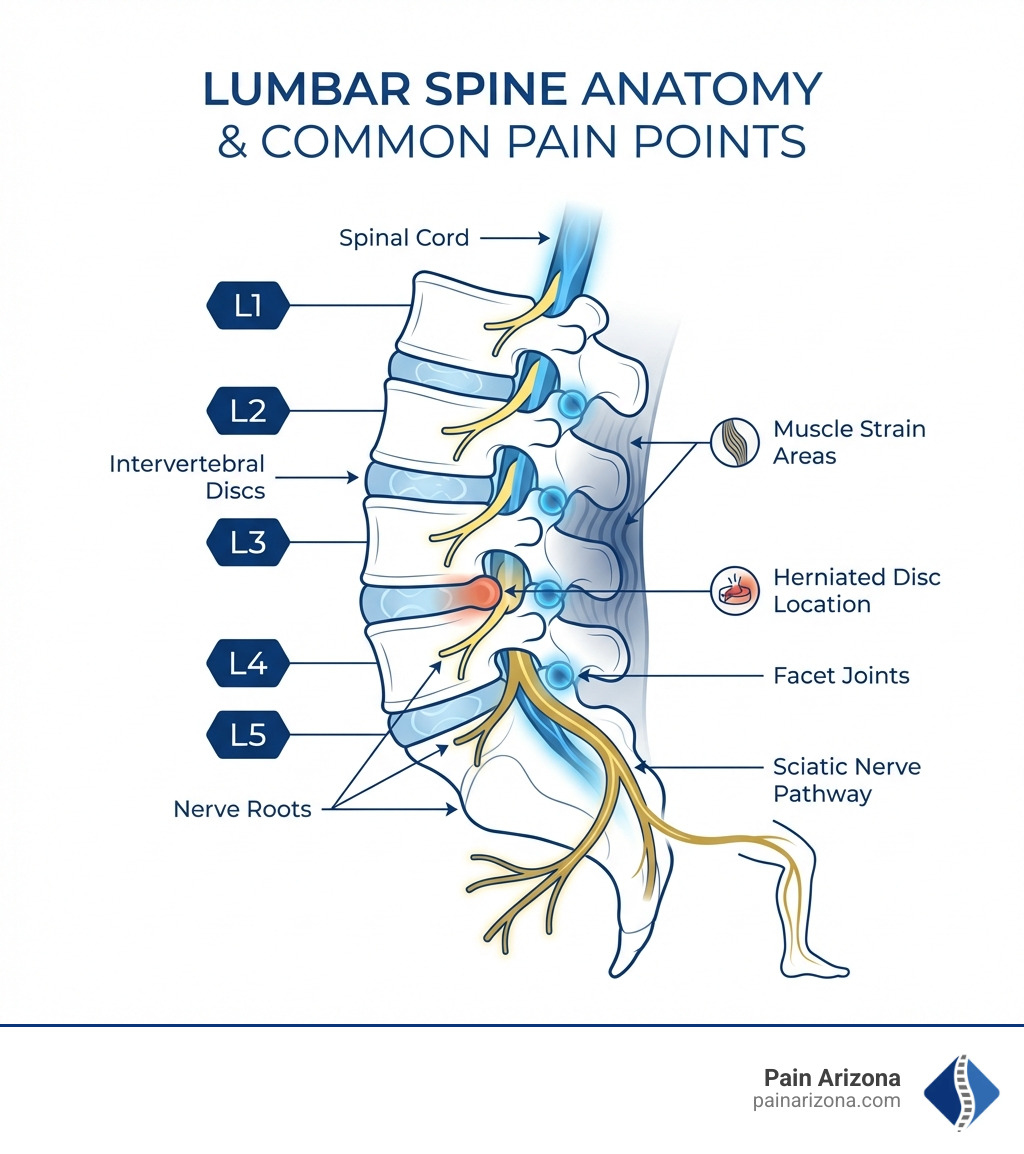
Basic back pain doctor glossary:
Understanding Your Back Pain: When to Seek Professional Help
Back pain, especially in the lower back, is a universal experience for many. But knowing when a nagging ache crosses the line into a problem that requires professional medical attention can be tricky. Let’s explore the different types of back pain and what might be causing yours.

Acute vs. Chronic Back Pain
Understanding the duration of your pain is often the first step in determining the right course of action.
- Acute Back Pain: This is pain that comes on suddenly, often after an injury or strenuous activity, and typically lasts for a few days to a few weeks. Most acute back pain, especially for those younger than 60, tends to resolve within a month with home treatment, such as rest, ice, heat, and over-the-counter pain relievers.
- Chronic Back Pain: This is pain that persists for three months or more. Unlike acute pain, chronic back pain often doesn’t respond to initial home treatments and can significantly impact your daily life, making even simple tasks challenging. If your pain falls into this category, it’s a strong signal that it’s time to see a back pain doctor. Chronic back pain can get worse if left untreated, so seeking early intervention is incredibly important.
Red Flag Symptoms: When to See a Doctor Immediately
While most back pain isn’t a sign of a severe underlying condition, certain “red flag” symptoms warrant immediate medical attention. These include:
- Loss of bowel or bladder control: This could indicate a serious nerve compression issue.
- Severe weakness or numbness in one or both legs: This might suggest nerve damage.
- Pain following a fall, accident, or other trauma: Even if the pain seems minor, rule out fractures or other injuries.
- Unexplained weight loss or fever accompanying back pain: These could be signs of an underlying infection or other serious medical condition.
- Pain that is constant, progressive, and not relieved by rest, or that is worse at night: This pattern can sometimes indicate more serious issues.
If you experience any of these symptoms, please don’t hesitate to seek emergency care. For less urgent but persistent pain, we recommend consulting a back pain doctor when:
- Your pain lasts more than a few weeks.
- Your pain interferes with your daily activities, work, or sleep.
- You experience radiating pain, numbness, or tingling down your legs (a common sign of sciatica).
- Previous treatments or home remedies haven’t provided relief.
Common Causes of Back Pain
Back pain can stem from a wide array of issues, ranging from minor muscle strains to more complex spinal conditions. Our team often sees patients in Phoenix, Mesa, Gilbert, Scottsdale, and Glendale with conditions such as:
- Muscle Strains and Sprains: Often caused by sudden movements, heavy lifting, or overexertion. These usually heal with rest and conservative care, but sometimes they can linger and become chronic.
- Degenerative Disc Disease: As we age, the discs between our vertebrae can wear down, losing their cushioning properties. This can lead to pain, stiffness, and other spinal problems.
- Herniated Discs: Sometimes referred to as a “slipped” or “ruptured” disc, this occurs when the soft inner material of a spinal disc pushes through its tougher outer layer, potentially pressing on nearby nerves and causing significant pain, numbness, or weakness.
- Spinal Stenosis: This is a narrowing of the spinal canal, which can put pressure on the spinal cord and nerves. It often leads to pain, numbness, or cramping in the back and legs, especially when walking.
- Sciatica: A common type of radiating pain that travels along the path of the sciatic nerve, which branches from your lower back down through your hips and buttocks and down each leg. It’s often caused by a herniated disc or spinal stenosis compressing the nerve.
- Arthritis: Osteoarthritis can affect the small facet joints in the spine, leading to stiffness, pain, and reduced mobility.
Identifying the specific cause of your back pain is crucial for effective treatment. That’s where a specialized back pain doctor comes in.
Who Should You See? Navigating the Different Types of Back Pain Specialists
When back pain strikes, it’s natural to wonder which type of medical professional can best help you. The journey often begins with your primary care physician, but for persistent or complex pain, specialized expertise is often needed.
Primary Care Physician (PCP)
Your family doctor or internist is typically your first point of contact for any health concern, including back pain. They can:
- Provide initial assessment: Evaluate your symptoms, medical history, and perform a basic physical exam.
- Offer initial treatments: Suggest rest, over-the-counter pain relievers, or basic exercises.
- Make referrals: If your pain doesn’t improve or if they suspect a more complex issue, your PCP will refer you to a specialist.
Physiatrists (Physical Medicine and Rehabilitation Physicians)
A physiatrist is a physician specializing in physical medicine and rehabilitation. They are often considered the “primary care doctor of the back” because of their focus on non-surgical treatment of musculoskeletal issues. Their expertise lies in:
- Diagnosing and treating pain and disability: They focus on restoring function and improving quality of life.
- Developing comprehensive rehabilitation plans: This often includes physical therapy, medication, and other non-invasive techniques.
- Understanding the entire musculoskeletal system: They are experts in how muscles, bones, nerves, and ligaments work together.
Pain Management Specialists
For many patients in the Greater Phoenix Area, a pain management specialist is the ideal back pain doctor when conservative treatments haven’t worked or when the pain is chronic and complex.
The Role of a Specialized Back Pain Doctor (Pain Management Specialist)
Our pain management specialists at Pain Arizona are uniquely positioned to address the intricacies of back pain. We are double board-certified physicians, often with backgrounds in anesthesiology and physical medicine and rehabilitation (like Dr. Nasser), who have undergone extensive fellowship training specifically in pain medicine. This specialized training allows us to:
- Focus on accurate diagnosis: We go beyond superficial symptoms to identify the true root cause of your pain. This often involves a thorough physical examination, detailed medical history, and careful review of diagnostic imaging.
- Develop comprehensive treatment plans: Our approach is holistic and patient-centered. We understand that pain is a complex experience, and we tailor treatment strategies to your specific condition, lifestyle, and goals. We aim to restore function and improve your overall well-being, not just mask the pain temporarily.
- Use minimally invasive procedures: We are experts in a wide range of advanced, minimally invasive techniques that can provide significant relief with less downtime compared to traditional surgery. These procedures are often performed right in our clinics across Arizona, including Phoenix, Mesa, Gilbert, Scottsdale, and Glendale.
- Medication Management: While we prioritize non-pharmacological and minimally invasive approaches, we understand that medication can play a role in managing pain. We carefully manage medications, focusing on the smallest effective dose for the shortest duration, especially given the history of the opioid crisis, to ensure safety and prevent dependence.
- Coordinate care with other specialists: We believe in a collaborative approach. We work closely with physical therapists, primary care physicians, and other healthcare providers to ensure you receive integrated and comprehensive care. Our goal is to guide you through your treatment journey, ensuring continuity and the best possible outcomes.
Choosing a pain management specialist like those at Pain Arizona means choosing a partner who is dedicated to understanding your pain and finding the most effective, least invasive solutions available.
The Path to Relief: Diagnosis and Advanced Treatment Options
Once you’ve decided to see a back pain doctor, the next step is often a comprehensive diagnostic process to pinpoint the exact cause of your discomfort. This is crucial because effective treatment hinges on an accurate diagnosis.
The Diagnostic Process
When you visit our clinics in the Greater Phoenix Area, our specialists will conduct a thorough evaluation, which typically includes:
- Physical Exam: We’ll assess your posture, range of motion, reflexes, muscle strength, and sensation. We might ask you to rate your pain on a scale of zero to 10 and describe how it affects your daily activities.
- Medical History: We’ll discuss your symptoms, when they started, what makes them better or worse, previous injuries, past treatments, and your overall health.
- Imaging Tests:
- X-rays: Can reveal issues with bones, such as arthritis, fractures, or spinal alignment problems. However, they don’t show soft tissues like discs or nerves.
- MRI (Magnetic Resonance Imaging) and CT (Computed Tomography) Scans: These advanced imaging techniques provide detailed cross-sectional images of bones, discs, muscles, ligaments, and nerves. They are excellent for identifying herniated discs, spinal stenosis, tumors, or infections.
- Myelogram: Sometimes used in conjunction with a CT scan, this involves injecting a contrast dye into the spinal canal to highlight spinal cord or nerve compression.
- Nerve Studies (Electromyography – EMG): If nerve compression is suspected, an EMG can measure the electrical impulses produced by muscles and nerves. This helps confirm nerve damage and pinpoint its location.
This comprehensive approach allows us to create a clear picture of what’s causing your pain, guiding us toward the most effective treatment plan.
Non-Surgical Pathways to Pain Relief
At Pain Arizona, our philosophy is always to start with the least invasive, most conservative treatments first. Most back pain can be successfully managed without surgery. Our non-surgical options include:
- Physical Therapy: This is often a cornerstone of back pain treatment. Our physical therapists design personalized programs to strengthen the muscles supporting your back, improve flexibility and posture, and teach you techniques to move safely. Exercise-Based Rehab is key to long-term relief.
- Medications: We may prescribe a range of medications, including anti-inflammatory drugs, muscle relaxants, or nerve pain medications, always with careful consideration of potential side effects and the goal of reducing pain to allow for active rehabilitation.
- Injections: These targeted treatments can deliver medication directly to the source of pain.
- Epidural Steroid Injections: Used to reduce inflammation around compressed nerve roots, providing temporary but significant relief, especially for radiating pain like sciatica.
- Facet Joint Injections: Target the small joints in your spine that can become arthritic and painful.
- Nerve Blocks: Injections that temporarily block pain signals from specific nerves.
- Radiofrequency Ablation: If injections provide temporary relief, radiofrequency ablation can offer longer-lasting results. This procedure uses heat to temporarily disable nerve fibers that are sending pain signals, often used for chronic facet joint pain.
- Spinal Cord Stimulation: For chronic, debilitating pain that hasn’t responded to other treatments, spinal cord stimulation involves implanting a small device that sends mild electrical pulses to the spinal cord, interrupting pain signals before they reach the brain.
- Regenerative Medicine: We offer cutting-edge regenerative therapies like Platelet-Rich Plasma (PRP) and Stem Cell Therapy, which harness your body’s natural healing abilities to repair damaged tissues and reduce pain.
Surgical and Advanced Interventions
While we exhaust non-surgical options first, there are cases where surgical intervention becomes necessary, particularly when conservative treatments have failed to provide relief, or if there’s increasing muscle weakness or nerve damage.
- When Surgery is Considered: Surgery is typically a last resort, recommended only if other treatments have not provided sufficient relief, or if there are signs of progressive neurological deficits (like worsening weakness or loss of function).
- Minimally Invasive Spine Procedures: We specialize in minimally invasive techniques that offer significant advantages over traditional open surgery. These procedures involve smaller incisions, less muscle disruption, reduced blood loss, shorter hospital stays, faster recovery times, and less post-operative pain. Examples include endoscopic spine surgery, microdiscectomy, and laser surgery, which can reduce disc size to relieve nerve pressure.
- Benefits of Minimally Invasive Options: Our focus on these advanced techniques means you can often return to your normal activities much sooner. We leverage state-of-the-art technology to ensure precision and optimize outcomes, delivering the safest, highest-quality surgical care when needed.
- Kyphoplasty: This is a minimally invasive procedure specifically designed to treat vertebral compression fractures, often caused by osteoporosis. It involves injecting bone cement into the fractured vertebra to stabilize it, reduce pain, and restore vertebral height.
Our team works closely to determine the most appropriate and effective treatment path for your unique condition, always with your safety and well-being as our top priority.
Making the Right Choice: How to Select Your Back Pain Doctor
Choosing the right back pain doctor is a critical step towards finding lasting relief. It’s not just about finding someone qualified, but someone who aligns with your needs and treatment philosophy. Here’s what we recommend considering:
- Board Certification: Always ensure your doctor is board-certified in pain medicine (or a related specialty like physical medicine and rehabilitation or anesthesiology with a pain fellowship). This signifies that they have met rigorous standards of training and expertise. Our physicians at Pain Arizona are double board-certified, demonstrating our commitment to the highest level of care.
- Experience with Your Condition: Ask about the doctor’s experience treating conditions similar to yours. A specialist who frequently handles your specific type of back pain will have a deeper understanding of its nuances and the most effective treatments. Dr. Nasser, for instance, has over 15 years of experience and has performed tens of thousands of procedures, giving our team extensive expertise.
- Treatment Philosophy: Look for a back pain doctor who emphasizes a holistic, evidence-based, and minimally invasive approach. We believe in addressing the root cause of your pain with the least aggressive yet most effective treatments possible, reserving surgery as a last resort. This patient-focused philosophy aims to restore function and improve your overall quality of life.
- Patient Reviews: Online reviews can offer insights into other patients’ experiences with a doctor’s compassion, communication, and effectiveness.
- Insurance Coverage: Confirm that the clinic accepts your insurance plan. We accept most insurance plans, and we encourage you to check with our office manager to see if your specific plan is accepted. Understanding your financial obligations upfront can prevent unexpected stress.
- Our Practitioners: We encourage you to explore our team of dedicated pain management specialists. Each brings a wealth of experience and a commitment to compassionate care.
What to Expect from Your First Back Pain Doctor Appointment
Your first visit is an opportunity for us to get to know you and your pain. Preparing for this appointment can help ensure you get the most out of it.
- Preparing for Your Visit:
- List Your Symptoms: Detail when the pain started, its intensity (on a scale of 0-10), what makes it better or worse, and any other symptoms like numbness, tingling, or weakness.
- List Your Questions: Don’t hesitate to write down any questions you have about your condition, treatment options, or prognosis.
- List Your Medications and Supplements: Include all prescription drugs, over-the-counter medications, and supplements you are currently taking.
- Bring Medical Records: If you have previous X-rays, MRI reports, or notes from other doctors, bring them along. This can prevent duplicate tests and provide valuable context.
- Consider a Companion: Bringing a family member or friend can help you remember information and provide support.
- Complete Patient Forms in Advance: Many clinics allow you to fill out forms online beforehand, saving you time during your appointment.
- During Your Appointment, Expect:
- A Comprehensive Evaluation: We’ll conduct a thorough physical exam and review your detailed medical history. We’ll ask about how your pain affects your daily activities, work, and sleep, and even discuss any related emotional or mental stressors.
- Discussion of Treatment Goals: We’ll talk about what you hope to achieve through treatment. Our goal is to develop a personalized treatment plan that aligns with your expectations and helps you regain function and improve your quality of life.
We believe in open communication and ensuring you feel heard, understood, and confident in your treatment plan.
Beyond the Clinic: Lifestyle, Prevention, and Future Outlook
Managing back pain isn’t solely about medical treatments; it’s also about empowering you with strategies for long-term health and prevention. At Pain Arizona, we emphasize a holistic approach that extends beyond our clinic walls in Phoenix, Mesa, Gilbert, Scottsdale, and Glendale.
Lifestyle Changes for Back Pain Management
Small adjustments to your daily routine can have a significant impact on managing and preventing back pain.
- Proper Posture and Ergonomics: Maintaining good posture, whether sitting, standing, or lifting, is fundamental. Ensure your workspace is ergonomically designed to support your spine. Poor posture can place unnecessary strain on your back.
- Exercise and Core Strengthening: Regular physical activity, particularly exercises that strengthen your core muscles (abdominal and back muscles), provides crucial support for your spine. Our Exercise-Based Rehab programs are custom to help you build strength and flexibility safely. Activities like walking, swimming, and yoga (with appropriate modifications) can be incredibly beneficial.
- Diet and Weight Management: Maintaining a healthy weight reduces the load on your spine. A balanced, anti-inflammatory diet can also help reduce overall inflammation in the body, which contributes to pain.
- Quit Smoking: Smoking can impair blood flow to spinal tissues, accelerate disc degeneration, and hinder healing, making back pain worse and recovery slower.
- Stress Management: Chronic stress can increase muscle tension and pain perception. Techniques like mindfulness, meditation, and deep breathing can help manage stress and, in turn, alleviate back pain.
Can Back Pain Be Completely Cured, or Is It About Management?
This is a question we hear frequently. For many cases of acute back pain, a complete “cure” is possible, meaning the pain resolves entirely and doesn’t return with proper care and lifestyle adjustments.
However, for chronic back pain, the focus often shifts from a complete cure to effective management. This means reducing pain to a tolerable level, improving function, and enhancing your quality of life so you can engage in activities you enjoy. Chronic pain can sometimes establish “pain pathways” in the brain, making it harder to treat later, which underscores the importance of early intervention. Our goal is to empower you with the tools and treatments to manage your condition proactively, preventing it from worsening and regaining control over your life.
Latest Advancements in Back Pain Treatment
The field of pain medicine is constantly evolving, and at Pain Arizona, we are committed to staying at the forefront of these advancements. We continuously explore and integrate New Procedures and technologies to offer you the most effective care.
- Minimally Invasive Techniques: The ongoing development of minimally invasive spine procedures means less trauma to the body, quicker recovery times, and often better outcomes for patients requiring intervention.
- Regenerative Medicine: Therapies like PRP and stem cell treatments represent a significant advancement, offering new hope for tissue repair and long-term pain relief by leveraging the body’s own healing mechanisms.
- Advanced Neuromodulation: Innovations in spinal cord stimulation and other neuromodulation techniques provide increasingly sophisticated ways to interrupt pain signals and offer relief for complex, chronic pain conditions.
- Personalized Medicine: Our understanding of pain is becoming more nuanced, leading to highly personalized treatment plans based on individual genetic, physiological, and lifestyle factors.
We are dedicated to providing compassionate, evidence-based care, utilizing these advanced procedures, technologies, and medications to help you achieve the best possible outcomes.
Conclusion: Take the First Step Towards a Pain-Free Life
Living with back pain doesn’t have to be your permanent reality. As we’ve explored, understanding your pain, knowing when to seek help, and choosing the right back pain doctor are crucial steps on the path to relief.
Chronic back pain can significantly impact your life, but it is treatable. Our team at Pain Arizona, serving the communities of Phoenix, Mesa, Gilbert, Scottsdale, and Glendale, is dedicated to finding the root cause of your pain and developing a personalized, evidence-based treatment plan. We combine advanced, minimally invasive procedures with a compassionate, patient-centered approach to help you regain function and improve your quality of life.
You don’t have to suffer in silence. Take the first step towards a pain-free life.
Contact Us to start your journey to relief