
Chandler chronic pain: Top Doctors for Relief
Your Guide to a Life with Less Pain
Chandler chronic pain affects thousands in the Greater Phoenix area. Understanding your treatment options is the first step toward real relief. Whether it’s back pain, nerve damage, or fibromyalgia, the right care in Chandler means finding specialists who treat the root cause, not just the symptoms.
Quick answers for those seeking Chandler chronic pain management:
- What it is: Pain lasting longer than 3-6 months, often accompanied by anxiety, depression, and reduced quality of life
- Where to get help: Pain medicine specialists, physical medicine doctors, and multidisciplinary clinics in Chandler and nearby Mesa, Scottsdale, and Phoenix
- Treatment options: Minimally invasive procedures (nerve blocks, spinal cord stimulation), medications, physical therapy, and psychological support like CBT
- Insurance: Most practices accept major insurance plans—check with our office manager to see if your plan is accepted
- First steps: Schedule a consultation, prepare your medical history, and be ready to discuss your pain patterns and goals
Chronic pain is widespread, affecting nearly one in five adults. Its impact goes beyond physical discomfort, leading to sleep issues, strained relationships, and hopelessness; tragically, one in four patients at chronic pain services report suicidal thoughts. But there is hope. Modern pain management combines advanced medical and therapeutic approaches, offering real pathways to relief and improved function.
I’m Dr. Nasser, Chief Medical Officer at Pain Arizona, where I’ve devoted my career to helping patients throughout the Greater Phoenix area—including Chandler—find lasting solutions for their chronic pain through comprehensive, individualized care. With training in both physical medicine and rehabilitation and interventional pain medicine, I’ve performed tens of thousands of procedures aimed at addressing the root causes of Chandler chronic pain, not just covering up symptoms.
Chandler chronic pain basics:
Understanding Chronic Pain and Chronic Pain Syndrome
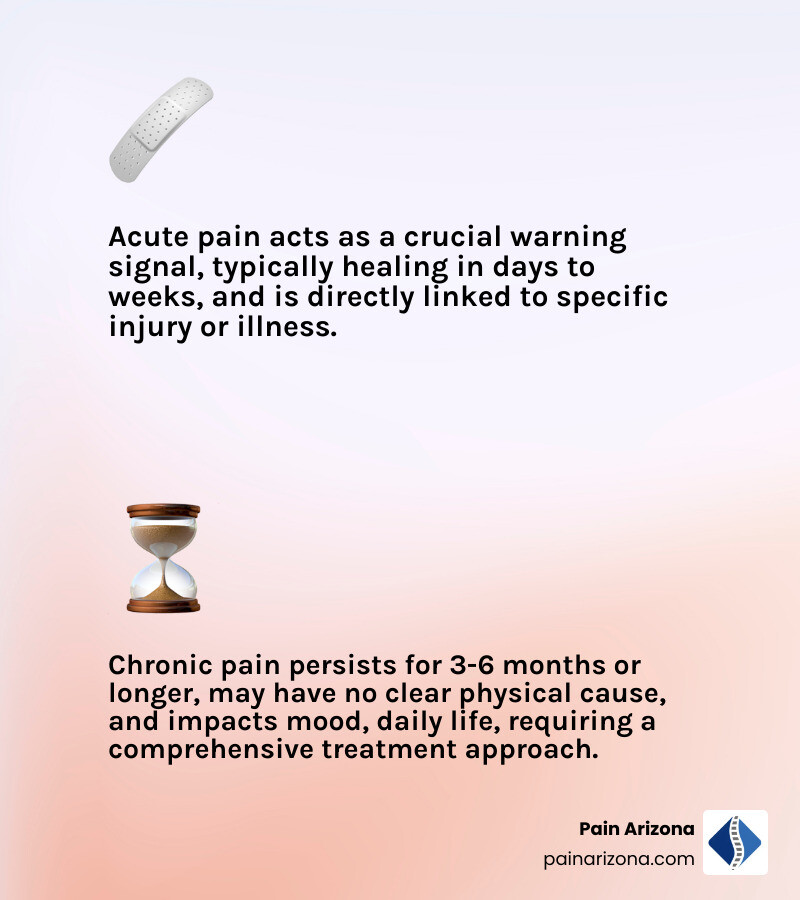
Chronic pain is pain that persists beyond the normal healing time, typically three to six months or longer. Unlike acute pain’s warning signal, chronic pain can become a condition in itself, continuing after an initial injury has healed. It’s a complex sensory and emotional experience that profoundly affects every aspect of life.
Persistent pain can evolve into Chronic Pain Syndrome (CPS). While chronic pain is the physical discomfort, CPS includes that pain plus a range of other symptoms like anxiety, depression, sleep problems, and fatigue. It’s a complex condition where physical pain and psychological distress create a debilitating cycle that diminishes quality of life.
Chronic pain’s nature is complex. It can stem from an illness or injury, like arthritis or degenerative disc disease. However, it can also arise from nerve dysfunction, where nerves send pain signals to the brain without ongoing tissue damage. The pain is real, even if the original cause is gone. Understanding this is key to effective management.
The Symptoms Beyond the Physical Ache
Living with Chandler chronic pain means more than just enduring physical discomfort. It’s a battle that extends into your mental and emotional landscape, often leading to a range of debilitating symptoms that can feel just as overwhelming as the pain itself.

Beyond the persistent physical ache, chronic pain syndrome frequently causes symptoms such as:
- Anxiety: Constant pain can create perpetual worry about the future and pain flare-ups. Anxiety disorders co-occur in 25-29% of chronic pain patients.
- Depression: The relentless nature of pain can cause sadness, hopelessness, and loss of interest in activities. Major depression affects 32% to 57% of chronic pain patients.
- Sleep problems: Pain disrupts sleep, leading to insomnia or poor sleep quality, which can worsen pain.
- Chronic fatigue: Managing pain and poor sleep leads to persistent exhaustion that rest doesn’t alleviate.
- Irritability: Constant pain wears down patience, leading to irritability and frustration.
- Guilt: Individuals may feel guilty about their limitations or the impact on loved ones.
- Loss of interest in sex: Pain, fatigue, and emotional distress can significantly reduce libido.
- Suicidal thoughts: The profound suffering can lead to suicidal ideation, reported by one in four patients at a chronic pain service.
These symptoms often lead to social isolation, creating a challenging cycle of pain and emotional distress. This is where mental health professionals are indispensable. Psychologists screen for and treat co-occurring psychological disorders, helping patients develop coping mechanisms, challenge unhelpful thoughts like fear avoidance, and regain control over their lives.
Understanding the Causes of Chandler Chronic Pain
The causes of Chandler chronic pain are often complex. It can begin with an acute injury or illness that doesn’t resolve as expected, turning a temporary warning signal into a persistent problem.
Common underlying conditions that can lead to chronic pain syndrome include:
- Unresolved injuries: An injury that doesn’t heal properly can leave residual pain that lingers for months or years.
- Degenerative disc disease: The discs between our vertebrae can wear down, leading to persistent back or neck pain. This is a common culprit for Low Back Pain Chandler Mesa Scottsdale Phoenix Glendale and Neck Pain Chandler Mesa Scottsdale Phoenix Glendale.
- Arthritis: Conditions like osteoarthritis cause inflammation and damage to joints, resulting in chronic pain. We frequently treat Knee Pain Chandler Mesa Scottsdale Phoenix Glendale and Hip Pain Chandler Mesa Scottsdale Phoenix Glendale.
- Fibromyalgia: A chronic disorder characterized by widespread musculoskeletal pain accompanied by fatigue, sleep, memory, and mood issues.
- Nerve damage (neuropathy): Damaged nerves can send faulty pain signals to the brain, even without an ongoing injury.
- Sciatica: Nerve pain that radiates from your lower back down one or both legs.
- Complex Regional Pain Syndrome (CRPS): A chronic pain condition that usually affects a limb after an injury, stroke, or surgery.
These are just a few examples. Our goal at Pain Arizona is always to identify the root cause of your pain, whether it’s SI Joint Pain Chandler Mesa Scottsdale Phoenix Glendale, Face Pain Chandler Mesa Scottsdale Phoenix Glendale, Pelvic Pain Chandler Mesa Scottsdale Phoenix Glendale, Mid-Back Pain Chandler Mesa Scottsdale Phoenix Glendale, Shoulder Pain Chandler Mesa Scottsdale Phoenix Glendale, or Foot Pain Chandler Mesa Scottsdale Phoenix Glendale.
See all conditions we treat.
Comprehensive Treatment for Chandler Chronic Pain
Effective management of Chandler chronic pain requires a comprehensive, multidisciplinary approach that treats the whole person. Our team, led by double board-certified physicians, creates individualized plans by combining advanced medical interventions with therapeutic techniques. This integrated model addresses the physical, emotional, and social facets of pain and has been shown to be superior to stand-alone treatments.
Medical and Interventional Treatments
For many individuals living with Chandler chronic pain, medical and interventional treatments form a cornerstone of their management plan. These treatments are designed to reduce pain signals, decrease inflammation, and improve function, often by targeting the specific nerves or structures causing the pain.

Our medical and interventional options include:
- Medications: This can range from NSAIDs for inflammation to antidepressants and anti-seizure drugs, which can help manage neuropathic pain.
- Nerve Block Injections: Injecting an anesthetic and sometimes a steroid near specific nerves to block pain signals.
- Epidural Steroid Injections: Delivers anti-inflammatory medication into the epidural space around the spinal cord, commonly for back and neck pain.
- Facet Joint Injections and Medial Branch Blocks: These target the small joints in the spine that can cause significant back and neck pain.
- Sacroiliac (SI) Joint Injections: Addresses pain originating from the SI joint, which connects the spine to the pelvis.
- Trigger Point Injections: Used to relieve pain in muscle knots or “trigger points.”
- Radiofrequency Ablation (RFA): Uses heat to ablate (burn) nerve tissue, interrupting pain signals for longer-lasting relief.
- Spinal Cord Stimulation (SCS): A small implanted device delivers mild electrical pulses to the spinal cord, masking pain signals before they reach the brain.
- Dorsal Root Ganglion (DRG) Stimulation: Similar to SCS but targets specific DRG nerves, making it highly effective for localized chronic pain.
- Stem Cell Therapy: An innovative approach using the body’s own regenerative cells to promote healing and reduce pain.
- Hyaluronic Acid Injections: Often used for joint pain, particularly in the knee, to lubricate the joint.
- Botox® Injections: Can be used to treat certain types of chronic pain, including chronic migraines and muscle spasticity.
We are committed to offering evidence-based, minimally invasive treatments that address the root cause of your pain.
Explore our treatment options.
Therapeutic and Lifestyle Approaches
While medical interventions are powerful, lasting relief from Chandler chronic pain often comes from a holistic approach that includes therapeutic and lifestyle adjustments. These strategies empower you to actively participate in your recovery, building resilience and improving your overall quality of life.
Our therapeutic and lifestyle approaches include:
- Physical Therapy: Essential for improving strength, flexibility, and mobility to restore function and reduce pain.
- Massage Therapy: Can help relax muscles, reduce tension, and improve circulation.
- Biofeedback: Teaches you to control involuntary bodily processes, such as muscle tension, to reduce pain and stress.
- Transcutaneous Electrical Nerve Stimulation (TENS): A non-invasive method using low-voltage electrical current for pain relief.
- Cognitive Behavioral Therapy (CBT): A psychological treatment that helps you identify and change negative thought patterns and behaviors related to pain.
- Acceptance and Commitment Therapy (ACT): Encourages you to accept difficult feelings while committing to actions that align with your values.
- Mindfulness-Based Stress Reduction (MBSR): Practices like meditation help you become more aware of the present moment, reducing stress and improving your ability to cope with pain.
- Pain Reprocessing Therapy (PRT): A newer treatment designed to help the brain “unlearn” pain responses, especially when pain persists after physical healing.
- Nutrition: A balanced diet can play a crucial role in reducing inflammation and supporting overall health.
Here are some self-care tips experts offer for individuals living with chronic pain:
- Prioritize self-care: Pay attention to your body’s signals and ensure adequate rest.
- Stay persistent and positive: Focus on what you can control and maintain a good attitude.
- Engage in regular, gentle movement: Even light activity can improve mood and reduce stiffness.
- Practice good sleep hygiene: Establish a consistent sleep schedule and comfortable environment.
- Seek social connection: Don’t let pain lead to isolation. Maintain contact with friends, family, or a support group.
- Learn and apply coping strategies: Use techniques like deep breathing or distraction to manage pain flares.
- Be an active participant: As a patient, being actively engaged in your care is key to recovery.
- Consider deprescribing: Sometimes, reducing or stopping unnecessary medications under medical guidance can be beneficial.
How to Find the Right Pain Management Services in Chandler
Finding the right care for Chandler chronic pain is a critical step. Look for experienced providers with a comprehensive, multidisciplinary team approach. When preparing for your first appointment (which may be a convenient telehealth visit), be ready to discuss your medical history, pain patterns, and how it impacts your daily life. We believe every patient deserves to be heard, educated on their pain’s source, and given viable treatment options.
Finding a Specialist for Chandler Chronic Pain
When searching for a specialist to help manage your Chandler chronic pain, it’s beneficial to understand the different types of medical professionals who can contribute to your care team.
You might look for:
- Pain medicine specialists: Physicians trained in the evaluation, diagnosis, and treatment of all types of pain.
- Neurologists: Specialists in the nervous system, crucial for nerve-related pain.
- Physical Medicine & Rehabilitation (PM&R) physicians: Also known as physiatrists, they focus on restoring function and improving quality of life.
- Interventional Spine Medicine specialists: Physicians who perform minimally invasive procedures for back and neck pain.
- Sports Medicine physicians: Can help with pain related to injuries and physical activity.
- Rheumatologists: Specialists in inflammatory conditions like arthritis.
- Integrative Medicine practitioners: Offer a holistic approach, combining conventional and complementary therapies.
When making your choice, we recommend asking for referrals from your primary care physician and checking patient reviews. Websites like Healthgrades can provide valuable insights into doctors’ experience and patient feedback. We encourage you to explore Best Chronic Pain Doctors in Chandler, AZ to find highly-rated specialists in the area.
Regarding insurance, we accept most insurance plans. We understand that navigating insurance can be complex, so we always advise checking with our office manager to see if your specific plan is accepted. We aim to make quality pain management accessible in Chandler and the surrounding Phoenix area.
The Role of Mental Health in Your Recovery
We cannot overstate the critical role of mental health professionals in managing Chandler chronic pain. Chronic pain is not just a physical ailment; it deeply impacts our psychological and emotional well-being.
- Psychologists and Therapists: These professionals are vital for addressing co-occurring anxiety, depression, and sleep disturbances. They provide evidence-based therapies like CBT, ACT, and PRT to help patients develop coping strategies and challenge unhelpful thoughts about pain. You can find qualified professionals through resources like Find Chronic Pain Therapists and Psychologists in Chandler, AZ .
- Support Groups: Connecting with others who understand what you’re going through can be incredibly powerful. Support groups offer a safe space to share experiences and reduce feelings of isolation.
- Addressing Pain Stigma: Chronic pain patients often face stigma and disbelief, which can cause delays in seeking care. Mental health professionals can help you steer this stigma and advocate for your needs.
- Managing Anxiety and Depression: Since major depression and anxiety are common in chronic pain patients (affecting 32-57% and 25-29% respectively), mental health support is essential. These conditions can worsen pain and disability.
- Impact on Relationships: Chronic pain strains relationships through irritability and social withdrawal, leading to communication and intimacy issues. A partner’s response can impact pain severity. Therapists can offer counseling to help improve communication and maintain healthy relationships.
Seeking help for your mental health is a sign of strength and a crucial component of holistic pain management. For additional support and resources, you can Get help from the National Library of Medicine.
Frequently Asked Questions about Chronic Pain Management
We often encounter similar questions from individuals seeking relief from Chandler chronic pain. Here, we address some of the most common ones to provide clarity and guidance.
How does chronic pain syndrome differ from chronic pain?
Chronic pain is pain lasting three to six months or longer, beyond a normal healing time. Chronic Pain Syndrome (CPS) includes this persistent pain plus significant psychological and social consequences like anxiety, depression, and functional disability. The pain becomes intertwined with one’s mental and emotional state, creating a complex, debilitating condition. While all CPS involves chronic pain, not all chronic pain becomes CPS.
What are the latest advancements in treating chronic pain?
Exciting advancements include Neuromodulation techniques like Spinal Cord Stimulation (SCS) and Dorsal Root Ganglion (DRG) Stimulation, which use implantable devices to mask pain signals. Advanced psychological approaches like Pain Reprocessing Therapy (PRT) help the brain “unlearn” chronic pain responses. Regenerative Medicine (e.g., Stem Cell Therapy) aims to repair damaged tissues, while minimally invasive procedures are continually being refined for better precision and faster recovery.
How does chronic pain affect personal and work relationships?
Chronic pain has far-reaching negative consequences. Personal relationships suffer from irritability, mood swings, and reduced participation in activities, leading to strain, communication breakdown, and intimacy issues. Work life is impacted by decreased productivity and missed days, causing financial stress. Colleagues may not understand the invisible nature of the condition, leading to feelings of being disbelieved. The stigma associated with chronic pain can be profound, making therapeutic guidance for both the patient and their loved ones beneficial.
Take the First Step Towards a Pain-Free Life in Chandler
Living with Chandler chronic pain is a battle, but you are not alone, and there is hope. As we’ve explored, relief comes from a holistic, personalized plan that addresses both body and mind—from medical interventions to therapeutic strategies. Empowerment comes from understanding your condition and taking proactive steps toward recovery.
At Pain Arizona, our double board-certified physicians are dedicated to creating compassionate care plans to help you reclaim your life. We specialize in identifying the root cause of your pain and offering evidence-based, minimally invasive treatments for lasting relief.
Don’t let Chandler chronic pain define your days. Take the first step towards a brighter, more comfortable future. Contact us to schedule your consultation today and find the solutions you deserve.