
Regenerative Medicine Mesa: Powerful Healing 2025
What You Need to Know About Regenerative Medicine in Mesa
Regenerative medicine Mesa is a cutting-edge approach that uses your body’s natural healing abilities to repair damaged tissues, reduce pain, and restore function. Unlike traditional treatments that often just mask symptoms, regenerative therapies target the root cause of your condition.
Quick Overview:
- What it is: Biological treatments that stimulate your body’s natural healing process
- How it works: Uses concentrated platelets, stem cells, or growth factors to repair damaged tissue
- Common treatments: PRP therapy, stem cell therapy, prolotherapy
- Conditions treated: Arthritis, tendon injuries, chronic back pain, joint degeneration, sports injuries
- Benefits: Natural pain relief, faster healing, reduced need for surgery, minimal downtime
- Typical timeline: Results appear within 4-6 weeks, with continued improvement over 3 months
If you’re living with chronic pain, you may have tried medications or physical therapy. But what if you could help your body heal itself from the inside out? That’s what regenerative medicine offers.
Instead of covering up pain with pills or cutting away tissue with surgery, these therapies work with your body’s natural repair systems. They deliver concentrated healing factors directly to injured areas—whether it’s a worn-out knee, a damaged tendon, or a degenerative disc in your spine. Research shows these approaches can reduce inflammation, promote tissue repair, and help patients avoid more invasive procedures.
I’m Dr. Nasser, Chief Medical Officer at Pain Arizona, and I’ve performed tens of thousands of regenerative procedures over my career. My focus on regenerative medicine Mesa combines minimally invasive techniques with evidence-based care to help patients find lasting relief.

Understanding Regenerative Medicine: A New Approach to Healing
At its simplest, regenerative medicine Mesa is about helping your body do what it naturally wants to do: heal itself. When you’re dealing with age, severe injury, or chronic conditions, your body’s natural healing process sometimes needs a boost.
Regenerative medicine provides that boost. Instead of just covering up your pain with medication or jumping straight to surgery, these treatments work with your body’s natural healing abilities. We use concentrated platelets, growth factors, and specialized cells to stimulate tissue repair and cell regeneration right where you need it most.
This approach targets the root cause of your pain, not just the symptoms. If you have a worn-out knee, we’re not just masking the discomfort—we’re working to repair the damaged tissue. Most treatments are minimally invasive injections, which means less downtime, fewer risks, and a much faster return to your life. For more details, check out our comprehensive page on Regenerative Medicine.
How Regenerative Medicine Differs from Traditional Treatments
Traditional pain management often relies on pills, temporary injections, or surgery. Regenerative medicine takes a completely different path. Instead of just managing your symptoms or cutting away damaged tissue, it focuses on actually healing what’s broken.
Here’s how the two approaches stack up:
| Feature | Regenerative Medicine | Traditional Treatments |
|---|---|---|
| Primary Goal | Targets the root cause of pain and tissue damage, promoting natural healing. | Manages symptoms (e.g., pain, inflammation), may repair or remove damaged tissue. |
| Approach | Uses biologics (e.g., PRP, stem cells) to stimulate the body’s repair processes. | Uses medication (painkillers, anti-inflammatories), physical therapy, or surgery. |
| Invasiveness | Minimally invasive (typically injection-based). | Can range from non-invasive (medication, PT) to highly invasive (surgery). |
| Healing Mechanism | Improves natural tissue regeneration, repair, and anti-inflammatory responses. | Blocks pain signals, reduces inflammation, or physically alters/removes tissue. |
| Recovery Time | Generally short, with minimal downtime. | Varies widely; can be significant after surgery. |
| Potential Side Effects | Low risk, often related to injection site (mild soreness); uses patient’s own cells. | Can include digestive issues, addiction (opioids), surgical complications, scarring. |
| Long-Term Outlook | Aims for durable relief by restoring function and tissue health. | Relief can be temporary; may not prevent future degeneration or recurrence of symptoms. |
While traditional treatments have their place, regenerative medicine offers a fundamentally different option for those seeking lasting results. The key difference? Traditional treatments often work against your symptoms, while regenerative medicine works with your body.
The Primary Benefits for Patients
So what does this mean for you? The primary benefits are clear:
- Natural Pain Relief: By addressing the source of your pain—inflammation, damaged cartilage, or degenerative tissue—you can experience significant, lasting relief without relying on medications.
- Faster Healing: Since these procedures are minimally invasive, you’re not dealing with the trauma of surgery. Most people are back to light activities within days, not months.
- Reduced Need for Surgery: Regenerative therapies may offer an alternative to procedures like knee replacement or rotator cuff surgery, helping many patients avoid going under the knife.
- Improved Function: Beyond pain relief, these treatments deliver better mobility and increased strength, allowing you to return to the activities you love.
- Long-Term Results: Unlike a cortisone shot that wears off, regenerative treatments aim to change the tissue itself, with your body continuing to heal for months after the procedure.
The science is promising. For example, research published in The Lancet on Mesenchymal Stem Cells (MSCs) has shown they can help modulate the immune system and decrease inflammation, highlighting the potential of these therapies. You can read more about this scientific research on MSCs for post-COVID recovery.
Common Regenerative Therapies Explained
When you visit our clinic in Mesa, we’ll determine which regenerative treatment is right for you. We have several powerful options, each designed to work with your body’s natural healing abilities. Here are the most common therapies we offer.
Platelet-Rich Plasma (PRP) Therapy
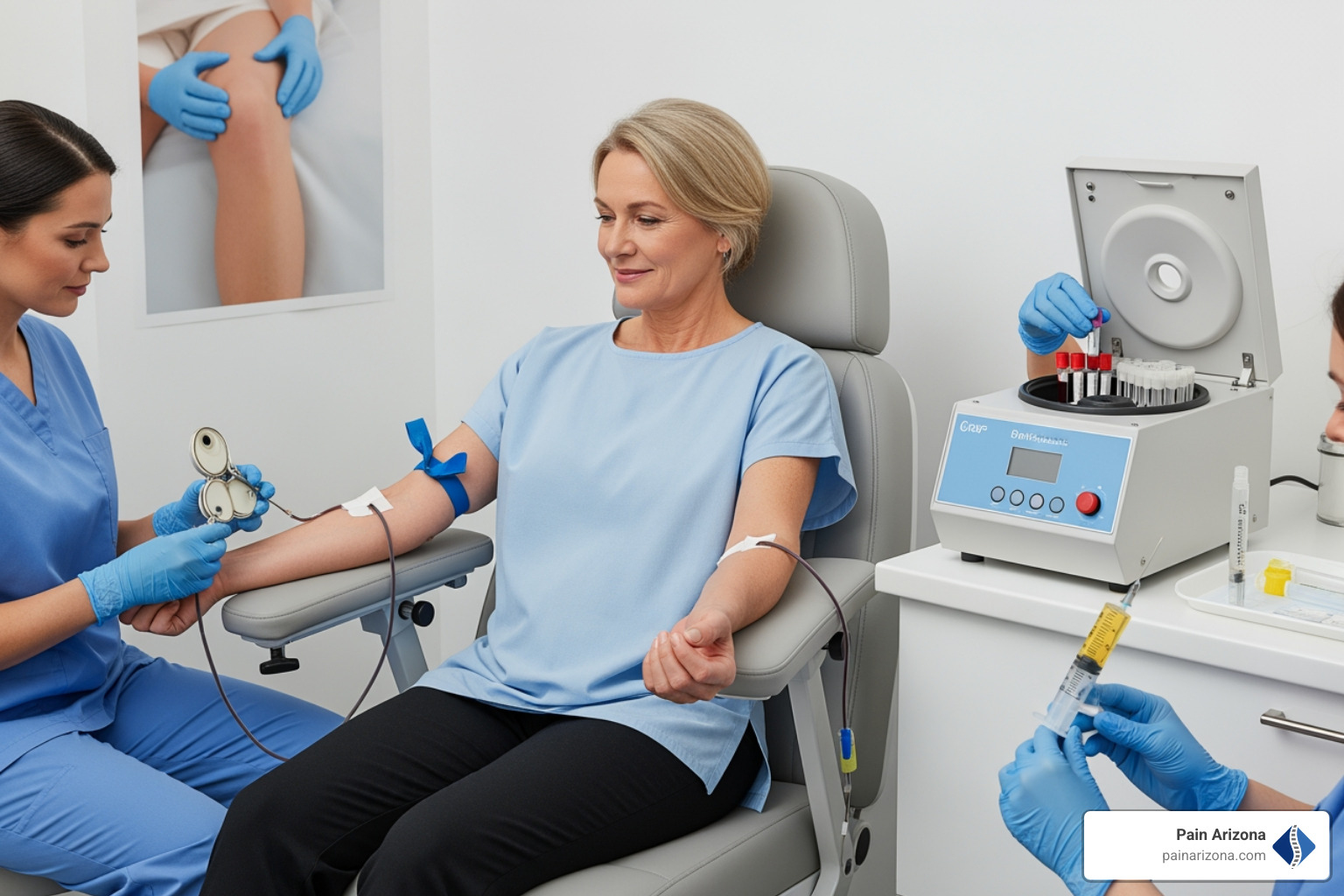
Your blood contains platelets, which are packed with growth factors that signal your body to repair damaged tissue. Platelet-Rich Plasma (PRP) therapy concentrates this natural healing power.
The process is simple: we draw a small amount of your blood and use a centrifuge to separate and concentrate the platelets. This creates a powerful healing solution with 5 to 10 times more platelets than normal blood. We then inject this platelet-rich plasma directly into your injured area using ultrasound or X-ray guidance for precision. The concentrated growth factors get to work reducing inflammation and encouraging your body to grow new, healthy tissue.
PRP is highly effective for joint pain (knees, shoulders) and tendon injuries like tennis elbow and rotator cuff tears. Learn more about Platelet-Rich Plasma Therapy and how Healing With Your Own Blood can aid your recovery.
The Role of Stem Cell Therapy
Stem cells are the body’s master cells, capable of developing into many different types of specialized cells. This makes them invaluable for repairing damaged tissues, such as cartilage in a worn-out joint or a degenerative disc.
We primarily work with Mesenchymal Stem Cells (MSCs), which can be harvested from your own bone marrow or fat tissue. We also use ethically sourced cells from umbilical cord tissue from consenting donors after healthy births. These sources are rigorously regulated for safety. We never use embryonic stem cells.
When injected into damaged areas, these cells signal your body to reduce inflammation and promote the growth of new tissue, creating an environment where healing can flourish. Stem cell therapy is a powerful option for severe arthritis, degenerative disc disease, and significant joint injuries. Explore how Stem Cell Therapy provides innovative solutions for pain and recovery.
Prolotherapy for Joint and Ligament Pain
Prolotherapy, or “proliferation therapy,” strengthens weakened ligaments and tendons. This treatment is ideal when joint instability or looseness is a problem.
Prolotherapy works by injecting a mild irritant solution (typically dextrose, a natural sugar) into the weakened connective tissue. This triggers a controlled, localized inflammatory response, which kickstarts your body’s natural repair process. Over the following weeks, your body produces new collagen, strengthening the ligaments and tendons. This leads to more stable joints and decreased pain.
Prolotherapy is effective for chronic instability in the lower back, neck, knees, and shoulders. Learn more about Prolotherapy: Regenerative Medicine for Joint Pain.
Recovery Process and Timeline
Regenerative therapies are outpatient procedures, so you go home the same day. You may experience some temporary soreness or mild swelling at the injection site, which is a normal sign that the healing process has begun. We recommend taking it easy for 24 to 72 hours.
Healing is a gradual process. While some patients feel better within a few weeks, most notice progressive improvement over several months as the body builds new tissue. To maximize results, we often incorporate Physical Therapy to help strengthen the healing tissues and restore proper movement. We’ll monitor your progress and support you throughout your recovery.
Conditions That Can Be Treated with Regenerative Medicine
Wondering if regenerative medicine can help you? These therapies have shown remarkable success across a broad range of conditions involving joint degeneration, soft tissue damage, and persistent pain. At Pain Arizona, we use regenerative medicine Mesa treatments to address the underlying tissue damage rather than just masking symptoms, offering real hope for patients in Mesa, Gilbert, Phoenix, and beyond.

Joint Pain and Arthritis
Joint pain is one of the most common reasons people seek regenerative medicine. These treatments can bring relief to a wide range of joint-related issues:
- Osteoarthritis: In this “wear-and-tear” arthritis, cartilage breaks down, causing bones to rub together. Regenerative therapies can help stimulate new cartilage growth and reduce inflammation in the knees, hips, shoulders, and other joints.
- Rheumatoid Arthritis: While not a cure for this autoimmune condition, regenerative medicine can help manage inflammation and repair joint damage, improving comfort and function.
- Degenerative Disc Disease: When the cushioning discs in your spine break down, it can lead to chronic back pain. These therapies can help improve disc health and reduce associated pain.
We treat joints throughout the body, including knees, hips, shoulders, elbows, wrists, ankles, the small joints of the hands and feet, and the spinal facet joints.
Soft Tissue and Sports Injuries
Athletes and active individuals often find that regenerative medicine gets them back in the game faster and more completely. These therapies are highly effective for injuries that are slow to heal.
- Tendon Injuries: Conditions like Achilles tendinopathy, jumper’s knee, and chronic tendinitis respond well to treatments that help rebuild damaged tendon tissue.
- Ligament Sprains: Prolotherapy and PRP can strengthen damaged ligaments in the knees, ankles, and other joints, restoring stability.
- Rotator Cuff Tears: Regenerative medicine offers a way to promote natural healing in the shoulder, potentially helping you avoid surgery.
- Other common injuries like plantar fasciitis, tennis elbow, golfer’s elbow, and persistent muscle strains also respond well to treatment.
We often combine these therapies with Exercise-Based Rehab to ensure you return to your activities stronger and more resilient.
Chronic Pain Conditions
For those who have been hurting for months or years, regenerative medicine can offer new hope.
- Lower Back Pain: We can often achieve lasting relief by addressing the root causes of back pain, such as degenerative disc disease, facet joint arthritis, or ligament instability.
- Sciatica: By treating the underlying spinal issues that cause nerve compression, we can significantly improve the shooting pain associated with sciatica.
- Nerve Damage: Some regenerative therapies can support nerve regeneration and reduce neuropathic pain.
Any chronic musculoskeletal pain—originating from your muscles, bones, joints, or tendons—may benefit from these innovative treatments. We create a personalized plan for every patient. View all conditions we treat to learn more.
Finding a Qualified Provider for Regenerative Medicine in Mesa
When you’re ready to explore regenerative medicine Mesa options, choosing the right provider is critical to your success. The quality of care can vary widely, so you deserve a provider who combines expertise with genuine care.

What to Look for in a Clinic
Finding the right clinic starts with knowing what matters most. Look for a practice that offers:
- Board-Certified Physicians: This demonstrates a high level of training and expertise in pain management and regenerative medicine.
- Evidence-Based Practice: Treatments should be based on solid scientific research, not marketing hype.
- Transparent Communication: Your doctor should clearly explain the treatment, expected results, and costs, and welcome your questions.
- Individualized Treatment Plans: A good provider creates a custom plan for your specific needs, rather than using a one-size-fits-all approach.
- Imaging Guidance: The use of ultrasound or X-ray during injections ensures precision and safety, leading to better results.
At Pain Arizona, we’ve built our practice around these principles. We are committed to compassionate, evidence-based care and accept most insurance plans for consultations.
Key Questions to Ask Your Provider
Before committing to a treatment, feel confident in your decision by asking these questions:
- What specific treatment do you recommend for me, and why?
- How do you determine if I’m a good candidate for this therapy?
- What are the realistic success rates and expected outcomes for my condition?
- What is the source of the biologics (PRP, stem cells), and what are your safety protocols?
- What are the total costs, and what does my insurance cover?
- What are the potential risks and side effects of the procedure?
A provider who welcomes your questions is one you can trust.
Understanding Potential Risks and Side Effects
Regenerative medicine treatments are generally very safe, especially when using your body’s own biologics like PRP. However, it’s important to understand the potential risks.
Most side effects are minor and temporary, related to the injection itself. These include:
- Injection site pain or soreness
- Mild swelling or bruising
More serious complications like infection, allergic reactions, or nerve damage are rare, especially when a qualified physician follows strict sterile technique and uses image guidance. We follow rigorous safety protocols to minimize any risk.
Before any procedure, we’ll review your health history to identify any potential contraindications and discuss all risks openly. Your safety and informed consent are our top priorities.
Frequently Asked Questions about Regenerative Medicine
It’s normal to have questions about regenerative medicine. Here are answers to the questions I hear most often in my practice in the Mesa and Phoenix area.
How long does it take to see results from regenerative medicine?
The timeline for improvement varies depending on the therapy, the severity of your condition, and your body’s individual healing capacity. Healing is a gradual process.
Most patients start noticing some improvement in pain and mobility within 4 to 6 weeks. However, the body continues to repair and regenerate tissue for months afterward. The full benefits typically unfold over 3 to 6 months, with continued improvement possible even beyond that.
This gradual timeline is a sign of true healing, not just a temporary fix. Patience is key, as is following through with any recommended physical therapy.
Is regenerative medicine covered by insurance?
This is a common and important question. Currently, most regenerative medicine procedures are considered investigational by insurance companies and are not covered.
However, your initial consultation and evaluation with our team are typically covered by most insurance plans. This allows us to diagnose your condition and determine if you are a candidate for these therapies.
The regenerative procedures themselves are usually an out-of-pocket expense. We are committed to being fully transparent about all costs upfront. Our office manager can help you understand your insurance coverage for the consultation and the expected costs for any recommended treatments.
Many patients find that the investment is worthwhile when compared to the costs and downtime associated with major surgery.
Is regenerative medicine safe?
Yes, regenerative medicine is generally very safe when performed by qualified, experienced providers.
Safety is high for several reasons:
- It uses your own body’s healing components. Treatments like PRP use your own blood, which dramatically reduces the risk of allergic reactions or rejection.
- It is minimally invasive. Procedures typically involve only an injection, avoiding the risks associated with major surgery and general anesthesia.
The risks are quite low. The most common side effects are temporary and mild, such as soreness or bruising at the injection site. Serious complications like infection are extremely rare when providers follow strict sterile protocols and use image guidance for precision.
We always conduct a thorough review of your health history to ensure you are a good candidate and discuss any potential risks with you beforehand. Your safety is our top priority.
Your Path to Healing in Mesa
Living with chronic pain doesn’t have to be your reality. Regenerative medicine Mesa offers a new way to approach healing—one that works with your body to repair itself from within.
Instead of masking symptoms with medication or resorting to invasive surgery, these innovative treatments address the root cause of your pain. Whether you’re dealing with arthritis, a sports injury, or chronic back pain, regenerative medicine can help restore function and bring back the activities you love.
At Pain Arizona, our team of double board-certified physicians is committed to walking this path with you. We serve patients throughout Mesa, Phoenix, Gilbert, and Scottsdale, creating personalized treatment plans based on proven therapies and precise, image-guided techniques. Our focus is on evidence-based, compassionate care that gives you the best possible chance at lasting relief.
The path to a pain-free future starts with a conversation. If you’re ready to explore your options and take the next step toward reclaiming your life, we invite you to reach out. We accept most insurance plans for consultations, and our team is here to answer your questions.
Learn more about our treatments