
Back Pain Specialist Phoenix: Expert Relief 2025
Finding Relief: Why You Need a Back Pain Specialist Phoenix
A back pain specialist Phoenix can help you find lasting relief through personalized, evidence-based care. If you’re searching for expert help, here are your main options in the Phoenix area:
Top Types of Back Pain Specialists in Phoenix:
- Physiatrists (PM&R) – Focus on non-surgical treatment and restoring function
- Pain Management Specialists – Expert in advanced procedures like injections and nerve blocks
- Orthopedic Spine Specialists – Can offer both conservative and surgical solutions
- Physical Therapists – Guide rehabilitation and strengthen your back
- Chiropractors – Provide hands-on spinal adjustments
When to See a Specialist:
- Pain lasting more than 6 weeks
- Severe pain that interferes with daily life
- Pain radiating down your leg
- Numbness or weakness
Up to 80% of people experience lower back pain, and the frustration is real when rest and over-the-counter remedies don’t provide lasting relief. The good news is that Phoenix is a hub for leading spine experts who use advanced diagnostics to find the root cause of your pain. Whether it’s a herniated disc, sciatica, or chronic pain, a solution exists.
I’m Dr. Nasser, Chief Medical Officer at Pain Arizona, double board-certified in Physical Medicine & Rehabilitation and Pain Medicine. I’ve spent over 15 years helping Phoenix-area patients find relief through minimally invasive procedures, regenerative medicine, and comprehensive pain management as a back pain specialist Phoenix residents trust.
This guide will cover when to seek help, the types of specialists available, what to expect, and how modern treatments can help you reclaim your life.
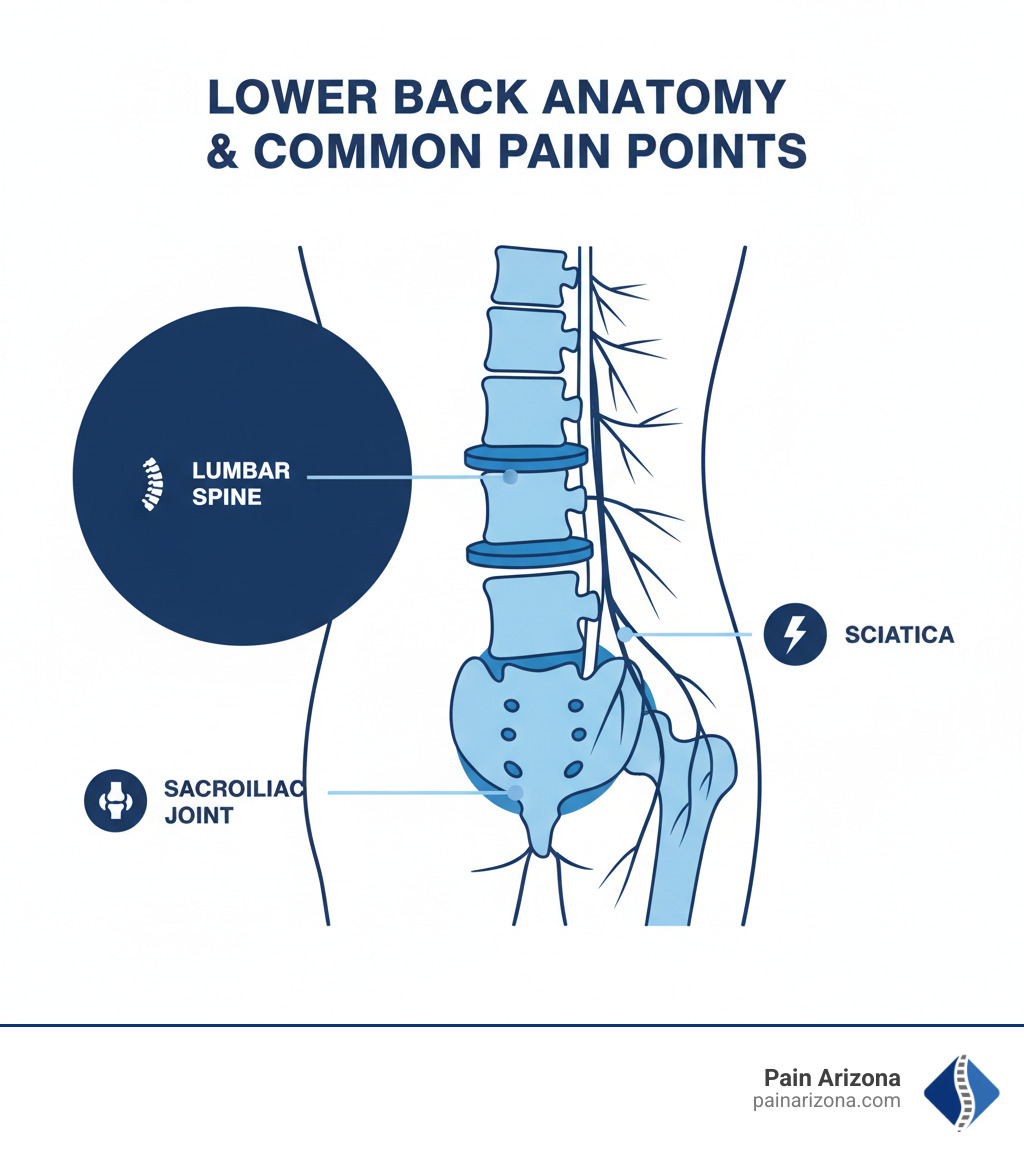
Understanding Your Back Pain: When to Seek Help
Not all back pain is the same, and understanding the cause is the first step toward relief. As a back pain specialist Phoenix patients trust, my priority is an accurate diagnosis to address the root cause, not just mask symptoms.
Common causes of back pain include:
- Muscle strains and ligament sprains: Often from heavy lifting, sudden movements, or poor posture.
- Degenerative Disc Disease: The natural wear and tear of spinal discs over time, leading to stiffness and pain.
- Arthritis: Inflammation of the small facet joints connecting your vertebrae, causing stiffness.
- Herniated discs: When a disc’s inner material pushes out and presses on a nerve, causing sharp, localized, or radiating pain (sciatica).
Other conditions include spinal stenosis (narrowing of the spinal canal), compression fractures, and facet joint syndrome. Less commonly, back pain can signal a more serious issue, which is why persistent pain should always be evaluated.
When to See a Specialist
While most back pain improves on its own, it’s time to see a specialist if you experience:
- Pain lasting more than 6 weeks
- Severe or worsening pain that disrupts your life
- Pain that interferes with daily activities like work or sleep
- Pain radiating down your leg (sciatica)
- Numbness, tingling, or weakness in your legs or feet
For more comprehensive information, visit our Back Pain page or review this Low Back Pain Fact Sheet from the National Institute of Neurological Disorders and Stroke.
Red Flag Symptoms Requiring Immediate Attention
Seek immediate medical care if you experience back pain with any of the following:
- Loss of bowel or bladder control
- Numbness in your groin or “saddle” area
- Fever
- Unexplained weight loss
- Progressive or sudden weakness in your legs
- Pain that worsens at night or doesn’t improve with rest
If you have these symptoms, don’t wait. An urgent evaluation is necessary to rule out serious conditions like cauda equina syndrome or a spinal infection. As a back pain specialist Phoenix residents rely on, I’d rather see you and give you peace of mind than have you wait and risk a more serious problem.
Finding the Right Back Pain Specialist in Phoenix
Finding the right specialist for persistent back pain can feel overwhelming. At Pain Arizona, we use a multidisciplinary approach, combining different areas of expertise for your care. We always start with conservative treatments first, focusing on a patient-centric philosophy that treats you, not just your symptoms.

Types of Specialists for Back Pain
Phoenix offers a range of specialists. Understanding their roles can help you find the right fit:
- Physiatrists (Physical Medicine & Rehabilitation): Non-surgical doctors who restore function through comprehensive plans. As a board-certified physiatrist, this is the care I provide.
- Pain Management Specialists: Experts in advanced interventional procedures like nerve blocks and spinal cord stimulation.
- Orthopedic Spine Specialists: Surgeons who can provide both non-surgical and surgical solutions for spinal conditions.
- Physical Therapists: Guide rehabilitation with personalized exercise programs to strengthen your back and improve mobility.
- Chiropractors: Provide manual spinal adjustments to treat neuromuscular disorders.
How to Choose the Best Back Pain Specialist in Phoenix for You
Choosing the right back pain specialist Phoenix is a personal decision. Look for a specialist with:
- Board certification and fellowship training: This indicates proven expertise and advanced skills. Our physicians at Pain Arizona are double board-certified.
- Experience and reputation: Seek providers with extensive experience treating conditions like yours.
- “Top Doc” awards: Recognition from peers is a strong indicator of quality.
- A conservative treatment philosophy: The best specialists explore non-surgical options first.
- Positive patient reviews: Get insight into the patient experience.
We invite you to Meet our practitioners to learn more about our team’s qualifications.
The Value of a Second Opinion
Getting a second opinion for persistent pain or a surgery recommendation is essential. It can confirm your diagnosis, introduce you to new treatment options, and help you avoid unnecessary procedures. Studies show a second opinion leads to a new or refined diagnosis for a high percentage of patients. It provides the peace of mind you need to make confident healthcare decisions.
Your Path to Relief: Diagnosis and Treatment
Finding lasting relief starts with a precise diagnosis. As your back pain specialist Phoenix, we create a personalized care plan to restore your function and help you get back to the activities you love.

What to Expect During Your First Appointment
We know a new doctor’s visit can be intimidating, so we make our first appointments thorough and informative. Your initial visit, often lasting 45 minutes or more, includes:
- A comprehensive medical history review: We’ll discuss when your pain started, what it feels like, and how it affects your life.
- A detailed discussion of your symptoms: We’ll explore the nature of your pain—sharp, dull, radiating—and any related symptoms like numbness or weakness.
- A thorough physical examination: We’ll assess your posture, range of motion, muscle strength, and nerve function.
- An initial diagnosis and treatment overview: We’ll explain what we believe is causing your pain and outline the next steps, always starting with the most conservative options.
You’ll leave with a clear understanding of your condition and a roadmap for recovery.
Advanced Diagnostic Methods Used in Phoenix
To identify the precise source of your pain, we use a range of tools:
- Physical Exam: A hands-on assessment provides invaluable clues about your condition.
- X-rays: Reveal bone abnormalities, alignment issues, and signs of arthritis.
- MRI Scans: Provide a detailed look at soft tissues like discs, nerves, and ligaments.
- CT Scans: Offer excellent cross-sectional views of bone structures.
- Electrodiagnostic Testing (EMG/NCV): Assesses nerve and muscle function to identify damage or pinched nerves.
- Diagnostic Injections: Help pinpoint the exact source of pain by temporarily numbing a specific area.
Using these methods, we develop a treatment strategy custom specifically to you.
Advanced and Specialized Back Pain Treatments
As your back pain specialist Phoenix, our mission at Pain Arizona is to help you get back to living your life. We focus on restoring function with evidence-based, minimally invasive treatments that give you maximum relief without unnecessary risk.
Non-Surgical Treatment Options
Most back pain resolves without surgery. We combine several conservative approaches for the best results:
- Physical therapy and rehabilitation: The foundation of recovery, strengthening core muscles and improving flexibility.
- Anti-inflammatory medications: Reduce inflammation and pain.
- Epidural steroid injections: Deliver powerful anti-inflammatory medication to the source of nerve irritation. We offer several types, including Therapeutic, standard Epidural Steroid Injection, and Lumbar Epidural Steroid Injection.
- Facet Joint Injections: Target arthritis pain in the small joints of the spine.
- Radiofrequency ablation (RFA): Provides long-lasting relief by disabling pain-signaling nerves.
- Spinal cord stimulation (SCS): A device that masks chronic pain signals before they reach the brain.
- Spinal Decompression Therapy: Gently stretches the spine to relieve pressure on discs and nerves.
- Regenerative Medicine: Treatments like Prolotherapy, Platelet Rich Plasma (PRP) therapy, and Bone Marrow Aspirate Concentrate (BMAC) use your body’s own healing abilities to repair damaged tissues.
- Specialized bracing and chiropractic care: Provide support and improve spinal alignment.

Minimally Invasive and Surgical Options for a back pain specialist Phoenix
When non-surgical treatments aren’t enough, we may recommend advanced procedures that offer smaller incisions, faster recovery, and less pain.
- Kyphoplasty and Vertebroplasty: Stabilize spinal compression fractures with bone cement.
- Laminectomy: Creates more space for compressed nerves.
- Microdiscectomy: Removes the portion of a herniated disc that is pressing on a nerve.
- Endoscopic spine surgery: Uses a tiny camera for ultra-precise procedures.
- Spinal fusion and artificial disc replacement: Address instability, with the latter preserving motion.
You can explore our treatments in more detail on our website.
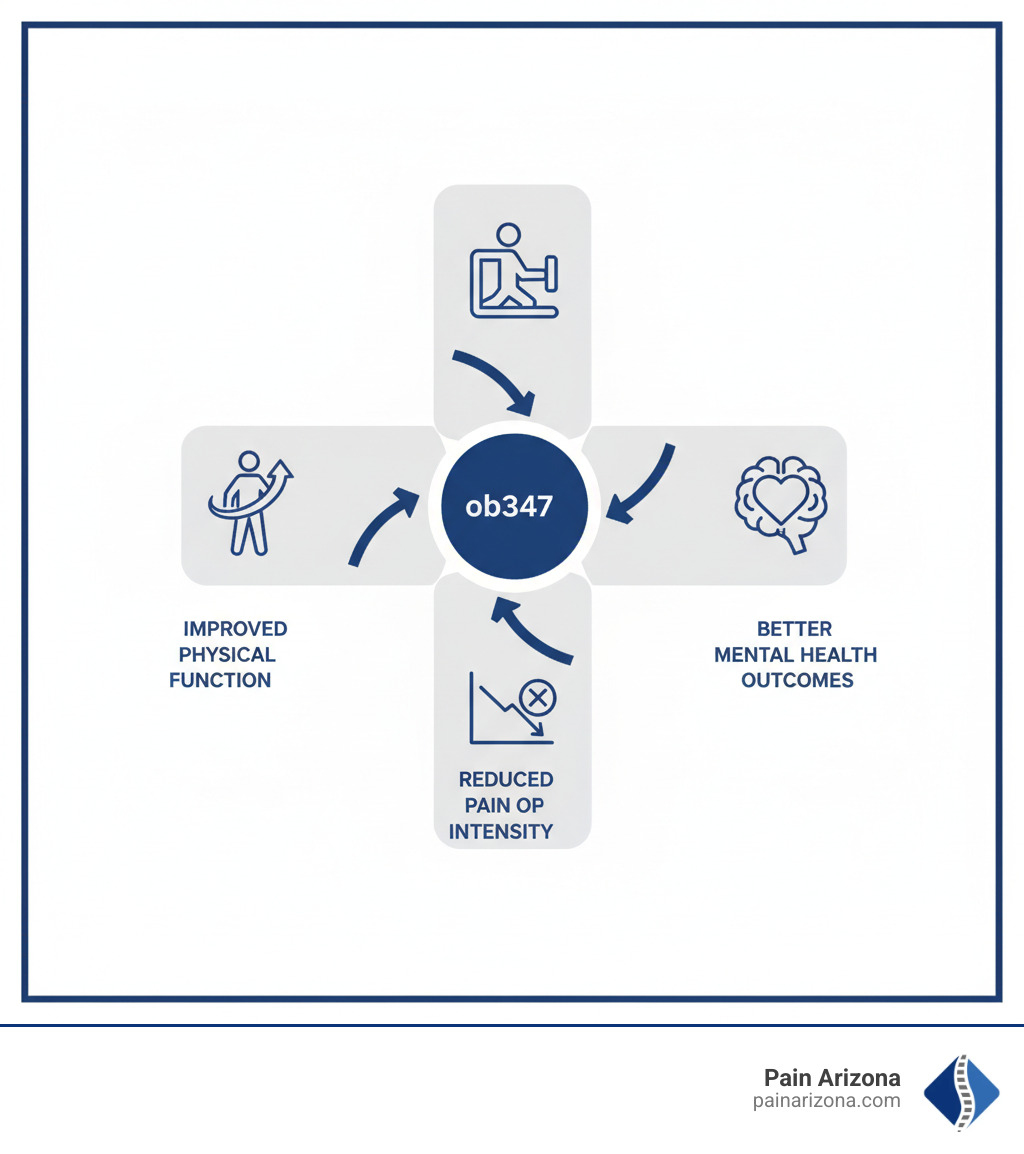
Chronic Pain Management and Rehabilitation
I’m Dr. Nasser, and I want you to know there is hope for chronic pain. Our holistic approach addresses the physical, emotional, and psychological aspects of persistent pain.
- Behavioral health integration: Pain psychologists help you develop coping strategies to reduce the emotional burden of pain.
- Physical and aquatic therapy: Build strength and maintain mobility, with water therapy offering a low-impact environment.
- Pain psychology: Addresses the mind-body connection to help manage anxiety, depression, and fear related to pain.
Our goal is to build your long-term resilience against chronic back pain and improve your quality of life. We accept most insurance plans; please check with our office.
Frequently Asked Questions about Back Pain Specialists
When you’re dealing with persistent back pain, you likely have questions. As your back pain specialist Phoenix, I want to address the most common concerns we hear.
How do I know if my back pain is serious?
Most back pain is not serious and improves with time. However, you should seek immediate medical attention for “red flag symptoms” such as:
- Loss of bowel or bladder control
- Numbness in the groin or saddle area
- Fever with back pain
- Unexplained weight loss
- Sudden or progressive leg weakness
- Severe pain that doesn’t improve with rest
If your pain isn’t an emergency but has lasted over six weeks, is severe, or radiates down your leg, it’s time to see a specialist. For more details, visit our Back Pain page.
What is the difference between a physiatrist and an orthopedic specialist for back pain?
Both are experts, but they have different focuses.
- A physiatrist (like me) is a non-surgical specialist in Physical Medicine and Rehabilitation (PM&R). We diagnose the root cause of pain and create comprehensive, non-operative treatment plans involving physical therapy, injections, and medication to restore function.
- An orthopedic spine specialist is a surgeon who treats the structural components of the spine. While they perform surgery, many also provide excellent non-surgical care.
At Pain Arizona, we often collaborate to ensure you receive the most appropriate care.
Will I need surgery for my back pain?
Probably not. The vast majority of back pain—up to 90% of cases—resolves with conservative treatment. Our philosophy is to exhaust all effective non-surgical options first. This includes physical therapy, anti-inflammatory medications, and targeted injections like Facet Joint Injections. Surgery is only considered when these treatments fail to provide relief or in cases of severe nerve compression or spinal instability. Even then, we prioritize the least invasive surgical techniques available. Please contact us to discuss your non-surgical options.
Take the Next Step Towards a Pain-Free Life in Phoenix
If you’re dealing with persistent back pain that affects your daily life, we understand how frustrating it can be. But you don’t have to live with this pain. Phoenix is home to some of the most advanced spine care in the country, and effective treatment is within reach.
The key to lasting relief is a comprehensive approach that addresses the root cause of your pain. At Pain Arizona, our commitment is to provide compassionate, evidence-based care custom to you. As double board-certified physicians, we focus on minimally invasive treatments that restore function and help you get back to the activities you love.
We’ve helped thousands of patients who thought they had to “just live with it” find real, lasting relief, often without the need for surgery. Our approach starts with listening to your story, using advanced diagnostics to pinpoint the problem, and developing a treatment plan that fits your goals.
We accept most insurance plans, so cost shouldn’t be a barrier to care. Please check with our office manager to confirm your plan is accepted.
You’ve taken the first step by educating yourself. Now, take action. Don’t let back pain steal another day. Whether you’re in Phoenix, Scottsdale, Chandler, or Glendale, we’re here to help. Contact us to discuss your low back pain with a specialist in Phoenix, Scottsdale, Chandler, or Glendale.
Your journey to a pain-free life starts now. Let’s take that step together.