
Radiculitis: Ultimate Pain Relief Guide 2025
Understanding Radiculitis: What It Really Means
Radiculitis is inflammation or irritation of a nerve root where it connects to your spinal column, causing pain that radiates along the nerve’s path. It’s a term describing symptoms you feel when a nerve root is pinched, inflamed, or not working properly.
Quick Definition:
- What it is: Inflammation of spinal nerve roots
- Main symptom: Radiating pain along the nerve path (neck to arm, or back to leg)
- Common locations: Cervical (neck), thoracic (mid-back), or lumbar (lower back) spine
- Key difference: Radiculitis emphasizes inflammation; radiculopathy means nerve dysfunction or damage
- Treatment outlook: Most cases improve with conservative care
If you’re experiencing sharp, shooting pain traveling from your spine down an arm or leg, you’re not alone. Over 10% of adults over 40 deal with radiculitis, and it’s increasingly common in younger adults. The good news is this condition is treatable, and understanding it is the first step toward relief.
I’m Dr. Nasser, Chief Medical Officer at Pain Arizona. With over 15 years of experience, I diagnose and treat nerve-related pain like radiculitis using advanced and conservative care. My goal is to find the root cause of your radiating pain and create a personalized plan to get you back to the activities you love.

What is Radiculitis vs. Radiculopathy?
Researching radiating pain can be confusing, with terms like radiculitis, radiculopathy, and radicular pain often used interchangeably. Understanding their differences helps clarify what’s happening in your spine and why certain treatments are recommended.
Radiculitis is inflammation or irritation of a nerve root where it branches off the spinal cord. When a nerve root becomes inflamed, it sends pain signals along its specific pathway. This radiating pain follows patterns on your skin called dermatomes, which act as a roadmap to help us identify the affected nerve root.
| Condition | Definition | Key Characteristics |
|---|---|---|
| Radiculitis | Inflammation of a spinal nerve root, describing the symptoms felt when a nerve root is pinched, irritated, or inflamed. | Primarily involves radiating pain along the nerve’s path. The suffix “-itis” denotes inflammation. Pain is the main symptom, though numbness or tingling may occur. Often considered a descriptor of symptoms indicating an inflammatory process. |
| Radiculopathy | Dysfunction or damage to a spinal nerve root caused by compression, irritation, or inflammation. | Characterized by neurological deficits beyond just pain: numbness, tingling, muscle weakness, or loss of reflexes in the area supplied by the affected nerve. Indicates the nerve’s ability to transmit signals is compromised. |
| Radicular Pain | The symptom of pain that radiates along the distribution of a nerve, starting from the nerve root being compressed or irritated. | The sensation itself—pain that travels from your spine into your extremities. Can be mild or severe, often described as sharp, burning, or shooting. This is a symptom of both radiculitis and radiculopathy. |
The Key Difference: Inflammation vs. Dysfunction
The key difference is that radiculitis specifically means inflammation of the nerve root—the “-itis” suffix always denotes inflammation. With radiculitis, you typically experience intense radiating pain, often without significant muscle weakness.
Radiculopathy, however, indicates the nerve isn’t just inflamed—it’s not working properly. Compression or damage prevents it from transmitting signals normally, leading to numbness, tingling (pins and needles), or muscle weakness.
Think of radiculitis as an angry, irritated nerve, while radiculopathy is a nerve that’s malfunctioning due to prolonged pressure. Both are treatable, and early diagnosis improves the chance of a full recovery.
Sciatica: A Common Form of Radicular Pain
Sciatica is the most common example of radicular pain, often a form of lumbar radiculitis. It describes pain starting in the lower back that travels along the sciatic nerve—the body’s longest nerve.
This nerve runs from your lower spine, through your buttocks, and down the back of your leg, sometimes to your foot. Pain following this path suggests an irritated or compressed nerve root in your lower back. The pain can range from a mild ache to a sharp, burning sensation or an electric shock down the leg. For more details, visit our page on Sciatica.
What Causes a Nerve Root to Become Irritated?
Understanding the triggers for nerve root irritation is key to finding relief. When something presses on or inflames a nerve root, the signals are disrupted, causing pain. This pressure or inflammation usually stems from changes in your spinal structure, either from gradual degeneration or a sudden injury. The radiating pain you feel is transferred from the irritated nerve root in your spine along the nerve’s entire path.
Common Spinal Conditions Leading to Radiculitis
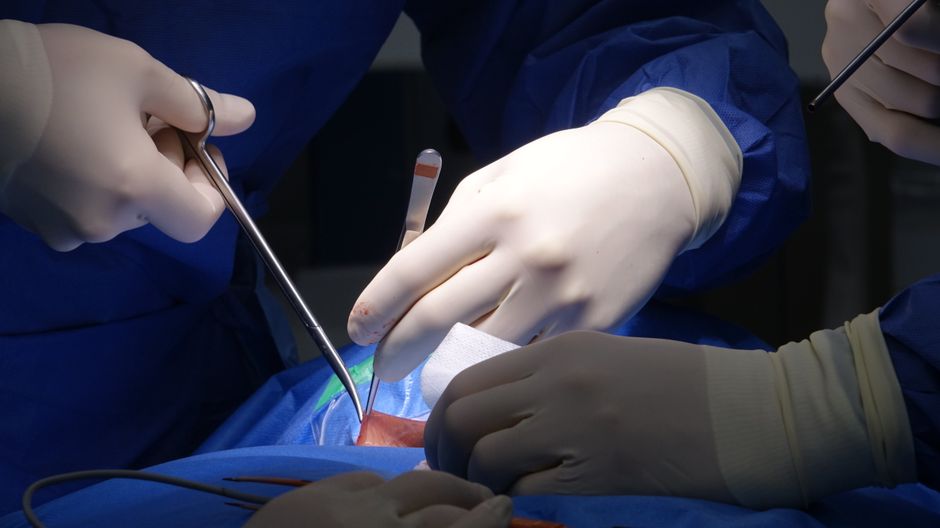
Several spinal conditions are common culprits. Herniated discs are a primary cause of radiculitis. When a disc’s soft center pushes through its outer layer, it can press on a nerve root or leak inflammatory chemicals. Learn more on our Herniated Discs page.
Spinal stenosis is a narrowing of the spinal canal that pressures the spinal cord and nerve roots. It affects 1-2% of people, mostly men over 50, with 80-90% of cases occurring in the lumbar spine, making it a major cause of lower back radiculitis.
Bone spurs (osteophytes) are bony growths on vertebrae that can encroach on nerve roots. Similarly, foraminal stenosis is a narrowing of the openings where nerve roots exit the spinal canal, pinching the nerve.
Finally, Degenerative Disc Disease is the natural aging of spinal discs. As they lose water and flexibility, they can bulge, herniate, or lead to bone spurs, all contributing to nerve root compression.
Risk Factors for Developing Radiculitis
While anyone can develop radiculitis, certain factors increase your risk. Age-related wear and tear is the most significant, explaining why it’s more common in people over 50, though it’s increasingly seen in adults aged 25-35.
Poor posture places undue stress on your spine over time, especially from hunching over a computer or phone. Obesity adds strain, particularly to the lower back, accelerating degenerative changes.
Jobs or hobbies with repetitive heavy lifting or strenuous activities place significant pressure on your spine. Frequent twisting or exposure to vibrations also makes discs more vulnerable. I always advise patients to use proper lifting techniques.
Smoking impairs blood flow to spinal discs, hindering their ability to repair themselves and accelerating degeneration. Genetics can also play a role, as some people are more susceptible to spinal conditions that cause radiculitis.
Understanding the Types and Symptoms of Radiculitis
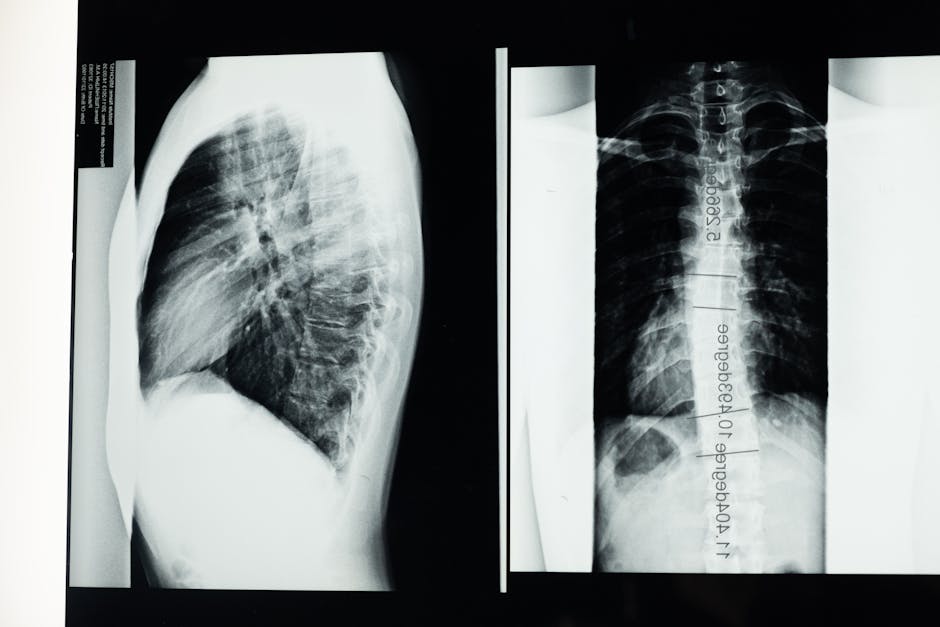
When a nerve root is irritated, the pain can travel far from the source. Each nerve root sends signals to a specific body part, so symptoms of radiculitis differ depending on which spinal section is affected. These radiating patterns follow “dermatomes”—specific maps on your skin supplied by each nerve root.
Cervical Radiculitis (Neck)
When a nerve root in your neck (cervical spine) is inflamed, it’s called cervical radiculitis. Symptoms can include neck pain that spreads to the shoulder blade, shoulder pain, or arm pain traveling to the hand. It’s also common to feel hand numbness or tingling in specific fingers. You might also notice weakness in your arm. A sharp pain shooting from the neck down the arm is a classic sign. If this sounds familiar, learn more on our Cervical Radiculopathy page.
Thoracic Radiculitis (Mid-Back)
Thoracic radiculitis is the least common type because the thoracic spine is stabilized by the rib cage. Symptoms can include a band-like chest pain that wraps around the chest or ribs, which can feel sharp or burning. It can sometimes feel like abdominal pain. This sharp pain often gets worse with breathing, coughing, or twisting. It’s crucial to see a doctor to rule out more serious conditions like heart-related chest pain.
Lumbar Radiculitis (Low Back)
Lumbar radiculitis, affecting the lower back, is the most common type and is often linked to sciatica. Symptoms include low back pain and the hallmark symptom of sciatica—radiating pain from the lower back, through the buttocks, and down the leg to the calf or foot. This leg pain can be sharp, burning, or shooting. You might also experience foot numbness or tingling and difficulty walking due to leg weakness. For a detailed look, visit our Lumbar Radiculopathy page.
How We Diagnose and Treat Your Nerve Pain
At Pain Arizona, we understand that the pain from suspected radiculitis affects your daily life. Our approach focuses on accurate diagnosis to find the root cause of your nerve pain, not just mask symptoms. We then create a custom treatment plan to help you get back to living without limitations.
Accurate Diagnosis is the First Step
Finding the cause of your nerve pain starts with a conversation about your symptoms and a thorough physical examination. We’ll check your reflexes, muscle strength, and sensation to identify the affected nerve root.
To confirm our findings, we use imaging tests. An MRI (Magnetic Resonance Imaging) provides detailed pictures of discs, ligaments, and nerve roots, clearly showing herniations or stenosis. A CT scan is excellent for viewing bone structures like spurs. X-rays give a broader view of spinal alignment and degeneration.
In some cases, Electromyography (EMG) and Nerve Conduction Studies (NCS) are used to measure nerve and muscle communication. These tests can confirm if a nerve is pinched and assess the severity of the damage. For more information, visit our Pinched Nerve page.
Conservative Treatments for Radiculitis
The good news is most people with radiculitis improve without surgery; conservative therapy can eliminate 85-90% of symptoms for conditions like spinal stenosis. We always start with the least invasive, effective approaches.
Physical therapy is a foundation of radiculitis recovery. Our therapists develop exercises to strengthen core and spinal support muscles, teach stretches for mobility, and help correct posture. A stronger, more flexible spine reduces pressure on irritated nerve roots. We’ve seen remarkable results with our Exercise-Based Rehab program.
Medication management helps control pain and inflammation. We may use NSAIDs (Nonsteroidal Anti-inflammatory Drugs), muscle relaxants for spasms, or nerve-specific medications like gabapentin. We carefully monitor your medications for safety and effectiveness. Learn more on our Medication Management page.
Simple home treatments like ice packs for acute inflammation and heat for muscle tightness can also help. Proper posture, especially when sitting, significantly reduces spinal stress.
Minimally Invasive Procedures for Lasting Relief
If conservative treatments aren’t enough, we offer advanced, minimally invasive procedures performed by our double board-certified physicians in the Greater Phoenix Area.
Epidural Steroid Injections deliver powerful anti-inflammatory medication directly to the irritated nerve root. This targeted approach provides significant relief by reducing inflammation at the source, allowing you to engage more fully in physical therapy. Read more on our Epidural Steroid Injections page.
Nerve Root Blocks are even more targeted. We inject medication around a specific nerve root for both diagnostic (confirming the pain source) and therapeutic purposes. We offer specialized Nerve Root Block procedures. Research confirms the effectiveness of these interventions for conditions like lumbar radicular pain, as noted in this scholarly article.
Common non-surgical treatments we use include:
- Physical therapy and exercise-based rehabilitation
- Medication management (NSAIDs, muscle relaxants, nerve pain medications)
- Epidural steroid injections
- Nerve root blocks
- Heat and cold therapy
- Posture correction and ergonomic adjustments
While surgery is sometimes necessary, the vast majority of our patients find relief through these less invasive approaches. We accept most insurance plans; check with our office manager to confirm coverage.
Frequently Asked Questions about Radiculitis
We understand you have questions about radiculitis. Here are clear answers to some common questions from our patients in Phoenix, Mesa, Gilbert, Scottsdale, and Glendale.
Can radiculitis be prevented?
While not always entirely preventable due to aging or injury, you can take steps to significantly lower your risk of radiculitis. These actions help manage potential flare-ups and give your spine the best possible chance for health.
Prevention and self-care include maintaining a healthy weight, practicing good posture, and using proper technique when you lift with your legs, not your back. Regular exercise, especially core-strengthening activities like walking or swimming, provides crucial spinal support. Quitting smoking and staying hydrated also benefit your spinal discs. While these actions can slow wear and tear, radiculitis from a severe injury may not be preventable.
What is the long-term outlook for someone with radiculitis?
The long-term outlook for radiculitis is generally very positive. Most cases are temporary and improve significantly with conservative treatments. While painful in the short term, it’s usually not a permanent condition.
Many people recover fully from an episode within weeks or months. The key is early diagnosis and treatment to prevent the condition from worsening. Even for chronic causes like spinal stenosis, 85-90% of symptoms can be managed without surgery. Our team at Pain Arizona is here to help you achieve lasting relief.
When should I see a doctor for radiating pain?
It’s always a good idea to see a healthcare provider for radiating pain, especially if:
- Your pain lasts more than a week.
- The pain is severe, worsening, or interfering with daily activities.
- You notice new or worsening significant muscle weakness, numbness, or tingling.
- You experience loss of bladder or bowel control. This is a medical emergency requiring immediate attention.
- After a recent injury, you cannot move your hands, arms, legs, or neck normally. This is also an emergency.
Don’t ignore progressive symptoms. A professional diagnosis is crucial to rule out serious conditions and start the right treatment plan. Our specialists in the Greater Phoenix Area are ready to help.
Your Path to Relief from Radiculitis
Living with radiating nerve pain is overwhelming, but radiculitis is a well-understood and treatable condition. We’ve covered what it is, what causes it, and the different symptoms you might experience.
The most important takeaway is that you don’t have to live with this pain.
Most people with radiculitis respond well to conservative treatments. For those needing more targeted relief, our minimally invasive procedures like epidural steroid injections and nerve root blocks can provide significant improvement without surgery. The outlook is hopeful, with many patients finding relief within weeks to months.
At Pain Arizona, our double board-certified physicians provide compassionate, evidence-based care that addresses the root cause of your pain. We specialize in treating nerve conditions like radiculitis for patients in the Greater Phoenix Area and are committed to helping you get back to the life you love.
The path to relief starts with the first step. We accept most insurance plans—check with our office manager to confirm coverage. Whether it’s neck pain radiating down your arm or lower back pain shooting into your leg, we’re here to help you take control.
Find comprehensive treatment for your radiculopathy symptoms and let us create a personalized treatment plan that works for you. Your journey to relief begins now.