
Chronic Pain in Amputees: Understanding Phantom Limb Pain
**Background / Overview
**Chronic pain is an all-too-familiar companion for many individuals who have undergone an amputation. One of the most puzzling and deeply felt forms of this pain is phantom limb pain (PLP)—the sensation of pain in a body part that has been surgically removed. Though it may sound like a trick of the mind, phantom limb pain is a very real, complex neurological response with physical, emotional, and psychological implications.
This condition affects a large portion of amputees, often catching them by surprise during recovery. They may have prepared themselves for prosthetics and rehabilitation—but not for pain in a limb that no longer exists. As researchers continue to explore the underlying mechanisms of PLP, those affected must cope with its unpredictable nature. This article aims to illuminate what phantom limb pain is, how it manifests, and what strategies are helping people manage it with dignity and hope.

**Symptoms / Causes
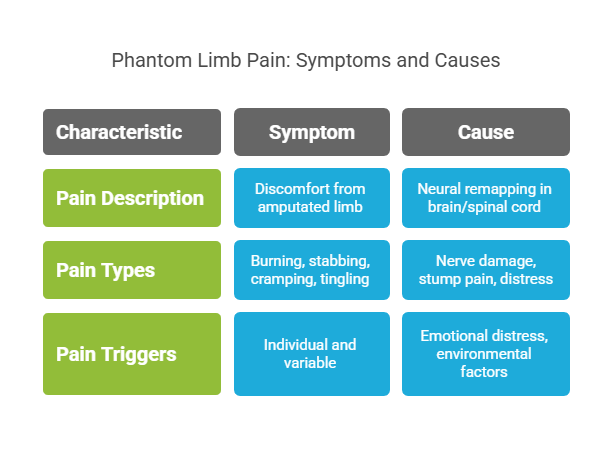
**The hallmark symptom of phantom limb pain is discomfort or pain that feels like it’s coming from the amputated limb. This can take many forms—burning, stabbing, cramping, tingling, or even a squeezing sensation. Some describe the feeling of the missing limb being twisted into unnatural positions or being crushed. These sensations can be mild and occasional, or severe and constant.
Phantom limb pain is believed to originate in the brain and spinal cord. After amputation, the brain continues to receive and misinterpret nerve signals. This is partially due to neural remapping, a process where the brain reorganizes itself in response to the loss of input from the missing limb. The area in the brain responsible for the amputated limb doesn’t simply shut down—it may start interpreting signals from nearby regions, resulting in confusing and painful sensations.
Other contributing factors include:
- Nerve damage at the amputation site
- Residual limb pain (pain in the stump)
- Emotional distress such as grief or trauma
- Environmental triggers, like cold temperatures or stress
Phantom limb pain is highly individual—what triggers it in one person may not in another, and its intensity can change over time.
**Diagnosis / Tests
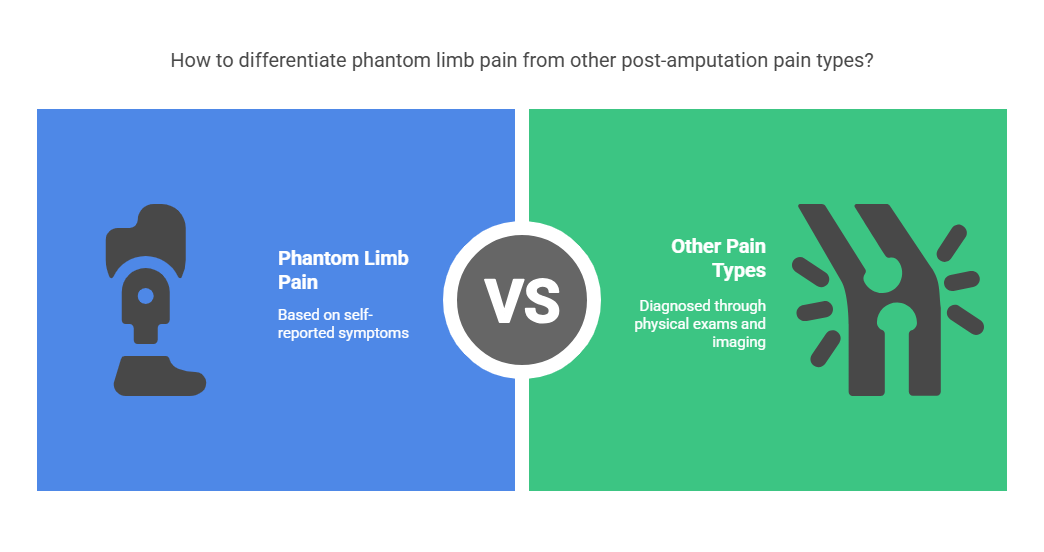
**Diagnosing phantom limb pain is largely based on self-reported symptoms and a detailed medical history. There’s no specific test that can definitively confirm PLP, but healthcare providers rely on patient descriptions to distinguish it from other types of post-amputation pain, such as:
- Stump pain, which originates from the residual limb
- Neuroma-related pain, caused by nerve endings forming a painful growth
- Referred pain, where discomfort from another area is felt in the amputated limb
Doctors may also use imaging studies like MRI or CT scans to rule out other causes of pain or complications related to the amputation. While the pain itself is subjective, it is crucial that providers listen carefully and validate the patient’s experience, as early recognition can lead to better management outcomes.
**Management / Treatment
**While phantom limb pain can be frustrating, there are several treatment options that offer hope. A combination of medical, physical, and psychological therapies tends to yield the best results. These may include:
-
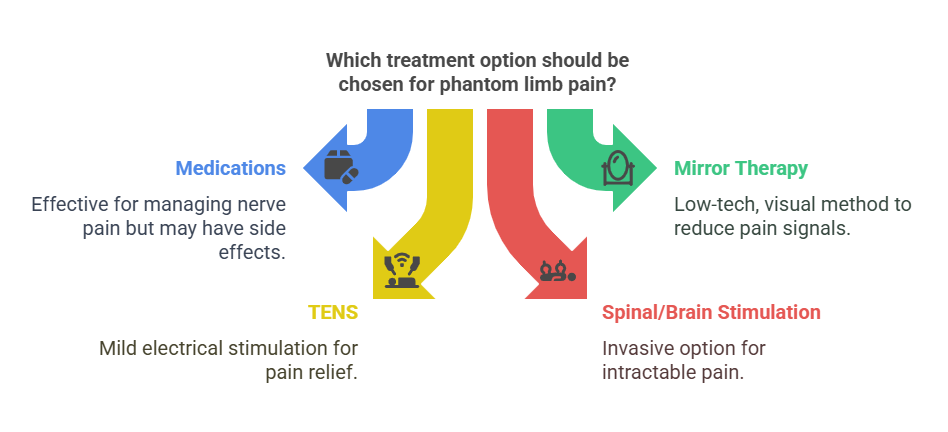
**Medications
**- Antidepressants (like amitriptyline) and anticonvulsants (like gabapentin) help manage nerve pain.
- Opioids may be prescribed in short-term or severe cases, though they come with risks and side effects.
- NMDA receptor antagonists, such as ketamine, are sometimes used for complex pain syndromes.
-
**Mirror Therapy
**This low-tech method uses a mirror to reflect the remaining limb, creating the illusion that the amputated limb is still present. This visual trick can help the brain “see” the missing limb and reduce misfiring pain signals. -
**Transcutaneous Electrical Nerve Stimulation (TENS)
**Applying mild electrical stimulation to the skin may interfere with pain signals and provide relief. -
**Spinal Cord and Deep Brain Stimulation
**For patients with intractable pain, implanted devices that send electrical impulses to the nervous system may help interrupt pain pathways. -
**Psychological Support
**Cognitive-behavioral therapy (CBT), mindfulness, and support groups can help amputees manage the emotional side of living with chronic pain. Talking through the experience can ease anxiety and help patients feel less isolated. -
**Prosthetics with Sensory Feedback
**Advanced prosthetics that simulate touch or movement are showing promise in reducing phantom limb pain by reengaging the brain’s sensory map.
**Prevention
**While phantom limb pain can’t always be prevented, certain strategies may reduce the risk or lessen its severity:
- Early pain control after amputation using nerve blocks or epidurals may help prevent the nervous system from forming abnormal pain pathways.
- Pre-surgical counseling and preparation may lower stress and anxiety, which can contribute to phantom sensations.
- Desensitization techniques on the residual limb, such as massage or graded exposure to touch, can help the brain adapt to the loss of the limb.
- Wearing a prosthesis early, if possible, may help the brain “accept” the new limb more readily and reduce the intensity of phantom sensations.
Early and proactive pain management during recovery plays a significant role in shaping long-term outcomes.
**Outlook / Prognosis
**Living with phantom limb pain can be a long and unpredictable journey. Some amputees find that the pain decreases over time, while others experience flare-ups for years. The intensity and frequency can vary, but with the right care plan, many individuals are able to regain control over their lives.
The good news is that awareness and research into phantom limb pain are growing. New therapies—ranging from virtual reality to brain-computer interfaces—are being tested and refined. As the medical community better understands the brain’s role in pain, the future looks promising for more personalized and effective treatments.
Perhaps most importantly, connecting with others who understand the journey—through support groups, peer counseling, or online communities—can provide emotional healing that medicine alone cannot offer.